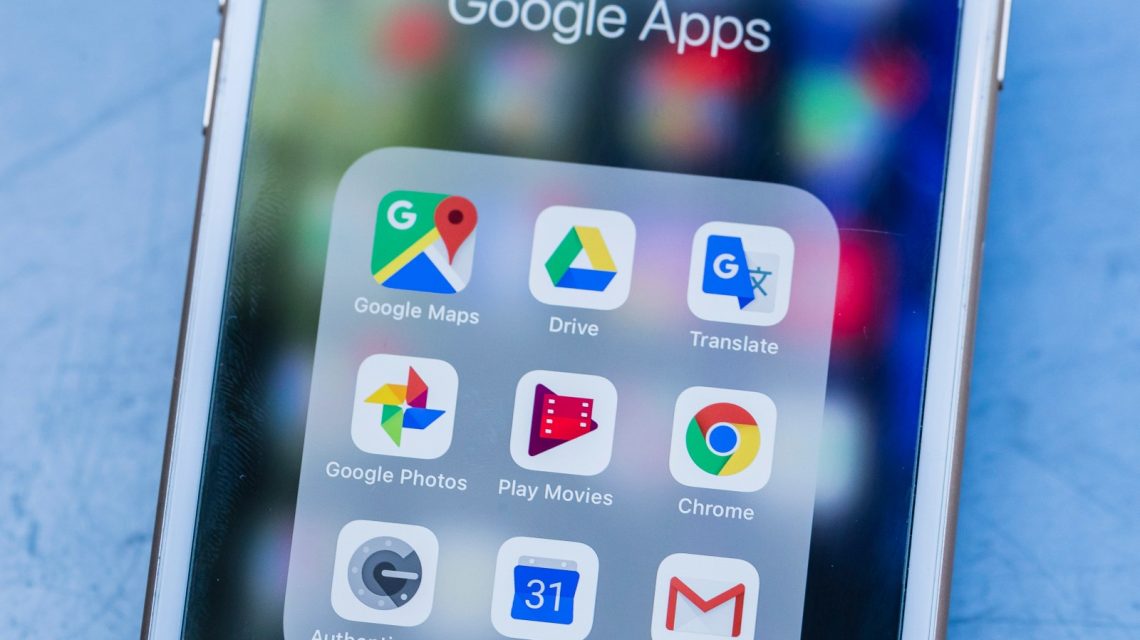
On Monday, Americans noticed a difference in the holidays displayed on their phones. Apple Calendar lists both Columbus Day and Indigenous Peoples’ Day, while Google Calendar only features Columbus Day. This reflects an ongoing debate over Christopher Columbus’ legacy and what the second Monday in October should commemorate.
Apple includes both holidays, which acknowledges the varied observances across the U.S. Google, however, adjusted its calendar policy in 2024, focusing on public holidays and national observances from timeanddate.com, as manually adding numerous cultural events proved unmanageable.
The difference matters because Columbus Day remains a federal holiday, while Indigenous Peoples’ Day is recognized in various states and Washington, D.C., but is not a federal holiday itself,Newsweek noted.
The Significance of the Debate
Columbus Day celebrates Columbus’ 1492 voyage and holds significance within the Italian American community, symbolizing resilience against discrimination faced by Italian immigrants. In contrast, for Native Americans, Columbus’ legacy represents colonization and violence. Indigenous Peoples’ Day honors Native history and culture.
Some states, such as Montana, Nebraska, Ohio, Pennsylvania, and Rhode Island, observe both holidays. This indicates a struggle over which holiday should take precedence. HR consultant Bryan Driscoll remarked that the debate reflects a broader political conflict over historical recognition.
How Google and Apple Handle the Holidays
Apple’s decision to display both holidays aligns with its commitment to diversity, equity, and inclusion (DEI). Kecia Thomas, an industrial organizational psychologist, emphasized this alignment with shareholder values.
Google Calendar users can customize their views to include diverse holidays and observances. However, the absence of Indigenous Peoples’ Day has caused controversy among users. Ethintegrity CEO Nichole Pitts emphasized the importance of recognizing diverse histories.
Federal Observance
Federally, Columbus Day remains official. In 2026, President Donald Trump reaffirmed Columbus Day, highlighting Columbus’ influence. His administration’s stance contrasts with former President Joe Biden, who recognized Indigenous Peoples’ Day along with Columbus Day in 2021.
The Columbus Day debate centers on differing interpretations of Columbus’ impact. André DiMino of the Italian American One Voice Coalition highlighted the day’s role in addressing past discrimination against Italian Americans. Meanwhile, Indigenous Peoples’ Day acknowledges the historical displacement and culture losses of Native peoples.
According to Bryan Driscoll, recognizing Indigenous Peoples’ Day has become a polarizing issue, with some viewing it as an attack on certain identities. The debate challenges companies to prioritize inclusion amid potential backlash.
Going forward, Americans should expect continued divergence in holiday recognition, reflecting ongoing national discussions.
 Man Criticizes Trump at Ohio Rally, Network Cuts Feed
  Controversy Surrounds Transgender Athlete in High School Girls’ Cross Country
  Camas High Runner Switches to Girls Team Midseason, Stirring Controversy
  White House Videos: Court Ban on Taxpayer-Funded Ads
  Confusion Delays Medical Assistance for Tennessee Inmate After Failed Execution
  Chicago Transit Tragedy: Accused Murderer Stabs Worker