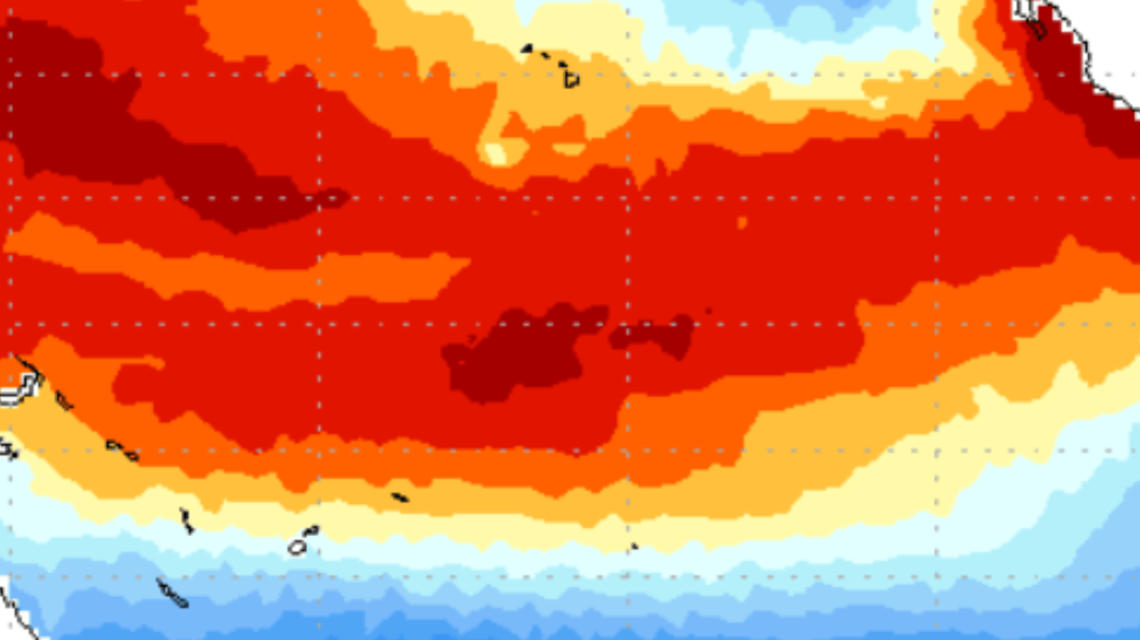
Temperatures in a significant zone of the Pacific Ocean reached unprecedented highs last month as this year’s El Niño gains strength. According to the European Union’s Copernicus Climate Change Service, the sea surface temperature in this zone climbed to 29.70 degrees Celsius, marking an all-time high for El Niño events. This surpasses the peak temperatures from previous strong El Niño occurrences in 1982-83, 1997-98, and 2015-16.
Carlo Buontempo, director of Copernicus, remarked to AFP that this year’s El Niño is ‘very exceptional,’ although it is premature to claim it as the strongest ever recorded. He also noted that if past patterns persist, global temperatures might set new records in 2026 and 2027. Betting platform Polymarket estimates an 80% chance of the 2026-27 El Niño being the most powerful to date.
Weather forecasters globally have been predicting this year’s El Niño to be the strongest ever, with record temperature readings occurring before the projected peak.
What Is El Niño?
El Niño is a climatic pattern characterized by warmer waters in the Pacific, impacting global temperatures and rainfall. In the United States, El Niño typically results in stormier weather in southern regions, drier conditions in some northern areas, and alterations in hurricane activity.
Federal forecasters have anticipated a strong El Niño since 1950. The National Weather Service’s Climate Prediction Center warned that this event’s magnitude could lead to more intense impacts.
This Year’s Pacific Temperature Record
The Copernicus bulletin indicated that temperatures in the 3.4 Pacific region were 2.99 degrees Celsius above the September average for 1991–2020. The previous record was set in December 1997 when temperatures were 2.81 degrees Celsius above normal. This record precedes the expected peak of this year’s El Niño in December, which could result in further temperature increases.
The National Weather Service’s Climate Prediction Center projected an over 83% probability of a ‘strong-to-very strong’ El Niño through January-March 2027.
Why Warm Ocean Temperatures Matter
El Niño releases stored heat into the atmosphere, which can elevate global temperatures. ‘El Niño doesn’t add new heat to the planet. It releases heat the ocean has already stored beneath the surface, often making strong events some of the hottest years recorded, as anticipated for 2024,’ explained Celeste Saulo at the Global Heat Forum in Bangkok. As the ocean it’s tapping into has unprecedented warmth, more heat is available for release.
The World Meteorological Organization’s analysis shows that the Pacific’s 3.4 region has warmed swiftly this year, rising from 1.6 degrees Celsius above normal in June to 2.5 degrees above normal in August. The WMO anticipates that this year’s El Niño will likely bring above-average temperatures globally and alter rainfall patterns, heightening risks of drought and floods in some areas.
Contact Newsweek editors on this story: Ben Kelly and Trevor Davies.
 Water Concerns Dominate Arizona’s Midterm Election Agenda
  Record Loggerhead Sea Turtle Nesting in Georgia
  Southern California Escapes Major Disaster Amid Coastal Erosion
 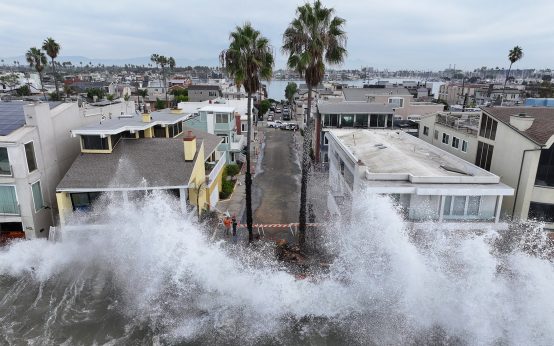 Warnings Issued for Electric Vehicles Following Coastal Floods in Southern California
 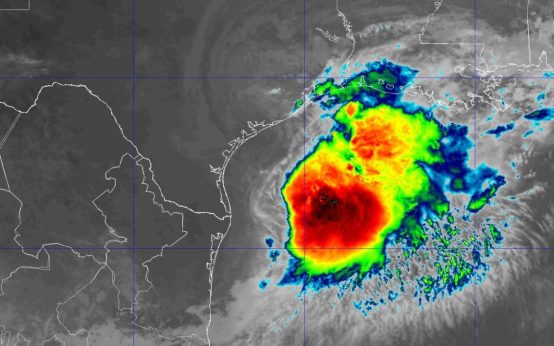 Atlantic Hurricane Season Overview for 2026
  Pennsylvania’s Data Center Permit Tracker and the AI Infrastructure Debate