
Reginald Darby shares his personal journey of overcoming legal challenges as a teenager. Though facing court-ordered penalties, his record was eventually cleared, allowing him to attend college and work for Republicans in Congress. This experience highlighted the need for accountability and opportunities for reform in Congress. He argues for the removal of unnecessary barriers when individuals are ready to re-enter society and contribute positively.
The bipartisan Clean Slate Act aims to eliminate obstacles created by federal arrest and conviction records. Darby advocates for its passage by highlighting its potential to enhance employment opportunities. The Clean Slate Initiative’s report, titled “The Economic Losses from Arrest and Conviction Records,” reveals that these records contribute to $440 billion in lost earnings annually across the United States.
Darby points to research showing that people with arrest or non-conviction records face significant earnings disadvantages. Specifically, they experience an average annual earning loss of $4,400, while individuals with nonviolent felony convictions lose about $9,300. The legislation would begin to address these issues by reforming the federal records system.
“Employers should have access to qualified applicants, and those who meet legal requirements should have fair opportunities to compete for jobs.”
Public safety is emphasized as a critical component of giving second chances. Employment allows individuals to earn a lawful income and assume responsibilities, contributing positively to society. Congress should explore record relief with a focus on helping people remain law-abiding citizens.
The Clean Slate Act proposes automating the sealing of qualifying federal non-conviction records and specific drug conviction records, while also establishing a petition process for other eligible records. Ensuring access for law enforcement purposes, it aims to streamline the process and reduce paperwork burdens.
Additionally, the Fresh Start Act complements this effort by assisting states in implementing their own record sealing and expungement laws through infrastructure grants.
Darby concludes by affirming the importance of these opportunities for individuals, stressing that accountability should lead to further contributions. The Clean Slate Act and Fresh Start Act collectively provide avenues for more Americans to flourish by securing meaningful employment. Reginald Darby serves as the federal affairs director at the Clean Slate Initiative with a background as a congressional staffer.
 Controversy Surrounds Pennsylvania’s 10th Congressional Race
  Pope Leo XIV Labels Death Penalty an Assault on Human Dignity
  EPA Contract Cancellation Sparks Legal Battle
  Press Secretary Criticizes El-Sayed Amid Michigan Senate Race Polls
 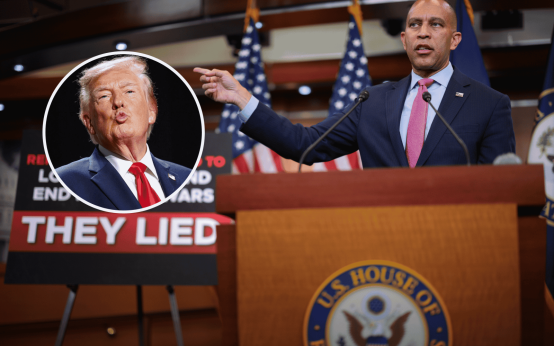 Democrats Weigh Impeachment Strategy Ahead of Midterms
  DSA Influence on State Legislative Elections and Its Impact on the Democratic Party