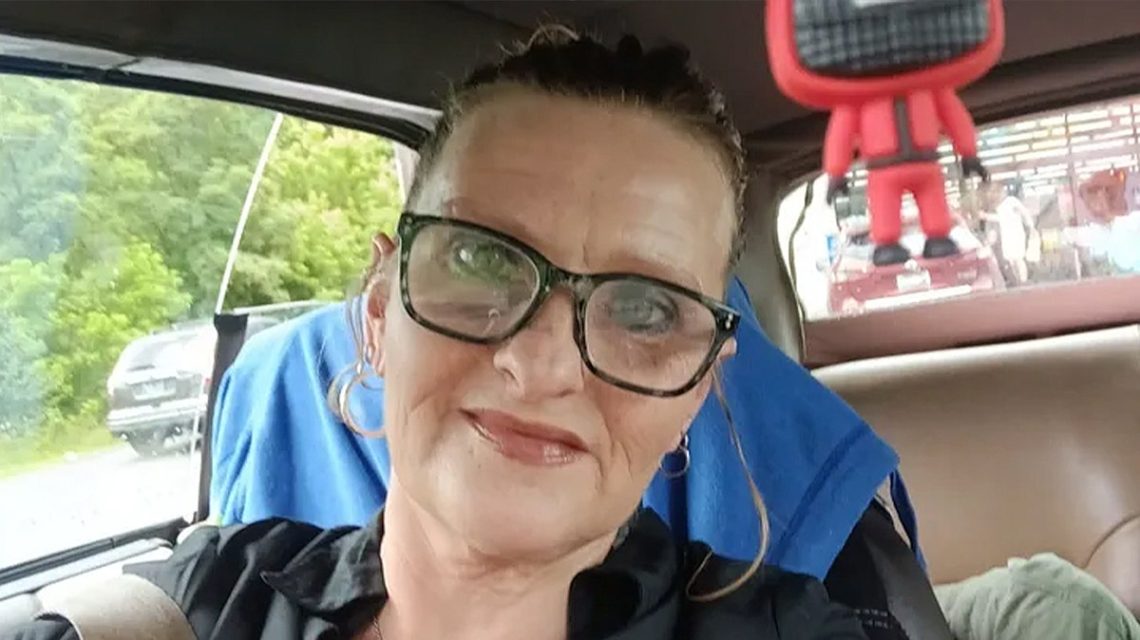
A Tennessee grandmother is suing a North Dakota city and police for detaining her based on incorrect facial recognition. Angela Lipps, aged 50, was detained while caring for her neighbor’s children in July 2025. Her complaint outlines that police extradited her from Tennessee to North Dakota due to a flawed AI match, despite her lack of ties to the crime or area.
AI Missteps in Police Investigations
Lipps’ case adds to more than a dozen incidents where police mishandled facial recognition. In a GoFundMe post, she detailed her 108-day incarceration in Tennessee as a supposed fugitive, during which she had no bail and received no interview. The arrest linked back to bank fraud cases in Fargo and West Fargo, North Dakota, where suspects used fabricated identities.
Flawed Use of Clearview AI
Authorities used a photo from a fake ID to run facial recognition searches. According to the lawsuit, Fargo police treated AI’s result as a conclusive match, failing to validate it with additional investigations. Conversely, West Fargo police did not pursue charges, citing lack of corroboration.
The lawsuit quotes a police captain’s view of AI facial recognition as a “last-ditch” investigative tool.
Lipps maintains police ignored her alibi: evidence placing her miles from the crime scenes. Notably, differences in her physical appearance and the suspect’s, like her neck tattoo, were overlooked.
Arrested and Exonerated
On July 14, 2025, U.S. Marshals apprehended Lipps on a nationwide warrant, and she was detained on a $100,000 bond, facing severe felony charges with possible 10-year sentences. However, after she presented her bank records proving her whereabouts in Tennessee, charges were dropped on December 24, 2025.
Upon her release, Lipps found she had lost her home, car, and possessions. Investigative errors in Fargo’s use of facial recognition led to public reprimand, prompting the police department to acknowledge mistakes in March 2026.
Increase in AI-Related Wrongful Arrests
Experts, including Clare Garvie of the Policing Project, highlight the growing trend of AI-related misidentifications, citing 16 known wrong cases linked to facial recognition. They stress on the need for better workflow integration in police procedures involving AI.
The ACLU’s Nate Freed-Wessler remarked on the increasing wrongful arrests due to AI, emphasizing the essence of comprehensive law enforcement notes on such technology use.