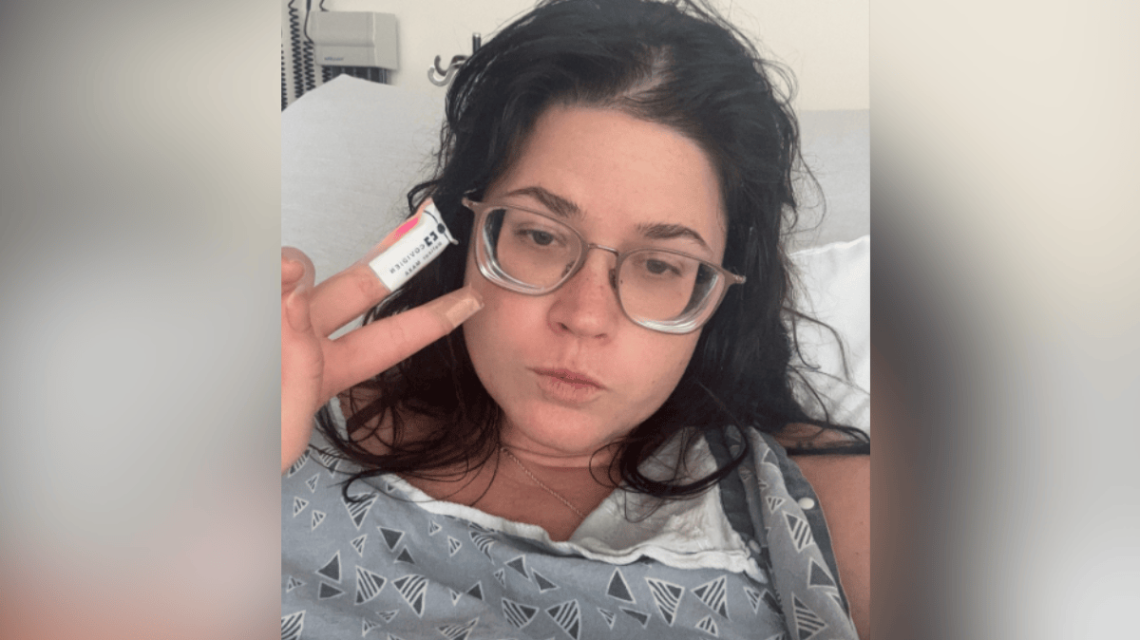
Destiny Amos, a Jacksonville resident, initially attributed her issues with dizziness and brain fog to low blood sugar. However, a CT scan revealed a more serious problem—a brain tumor. Unable to recall exactly when her symptoms began, Amos noted that they noticeably worsened in June.
She described feeling constant dizziness and pressure on the lower left side of her head. Additional symptoms included episodes where the left side of her face felt numb. These health issues persisted, accompanied by unusual anxiety and an uneasy feeling, signaling that something was wrong.
One night, matters escalated, and she woke up in a disoriented state. She felt extremely dizzy and nauseous, with a rapid heart rate. Her mother called 911, and the emergency team took her to a nearby hospital.
Amos informed the doctor of her symptoms, considering a possible link to her previously diagnosed blood sugar problems. This led to CT scans of both her abdomen and brain. When the doctor returned, he had a significant update. The examination had uncovered a 3 cm meningioma pressing against her cerebellum.
The scan unveiled a tumor exerting pressure in the posterior fossa area of Amos’s brain.
Meningiomas, noncancerous tumors, form in the meninges surrounding the brain and spinal cord. They are the most prevalent primary brain tumors in adults, accounting for up to 40 percent of cases in the U.S. Notably, women face a higher incidence than men, with increased risk as they age.
Following the diagnosis, Amos was transferred to a larger hospital, where an MRI provided a clearer image of the tumor. She spent a month in the hospital before her surgery. Amos described feeling overwhelmed by the situation but began connecting years of symptoms like anxiety and extreme fatigue to the tumor.
Amos’s medical journey has helped explain her past experiences of blurry vision, heat intolerance, and coordination issues. A tumor in the posterior fossa can impact balance and alertness pathways.
On August 24, Amos underwent surgery. Surgeons discovered the tumor was partially calcified, indicating it had been growing for some time. Fortunately, the biopsy results post-surgery confirmed it was benign.
Amos has been recovering steadily. Despite some concentration and memory challenges, nerve pain, and headaches, she remains optimistic. Doctors expect her recovery to continue positively over the next three months.
Throughout this ordeal, Amos has found support in others who have undergone similar surgeries. Sharing her experience offers solace to others facing similar challenges.
For more information, Newsweek reporters and editors crafted this article with the assistance of Martyn, an AI assistant. For editorial inquiries, contact Marc Vargas and Anthony Murray.
 Dining with Loved Ones May Benefit Blood Sugar Levels
  Addressing the Growing Food Security Crisis in East Africa
  Foods Associated with Longevity and Their Recipes
  Rethinking Youth Sports: A Focus on Health and Longevity
  Navigating Life’s Unexpected Turns: A Personal Journey
  Controversy Over Heavy Metals in U.S. Cat Foods