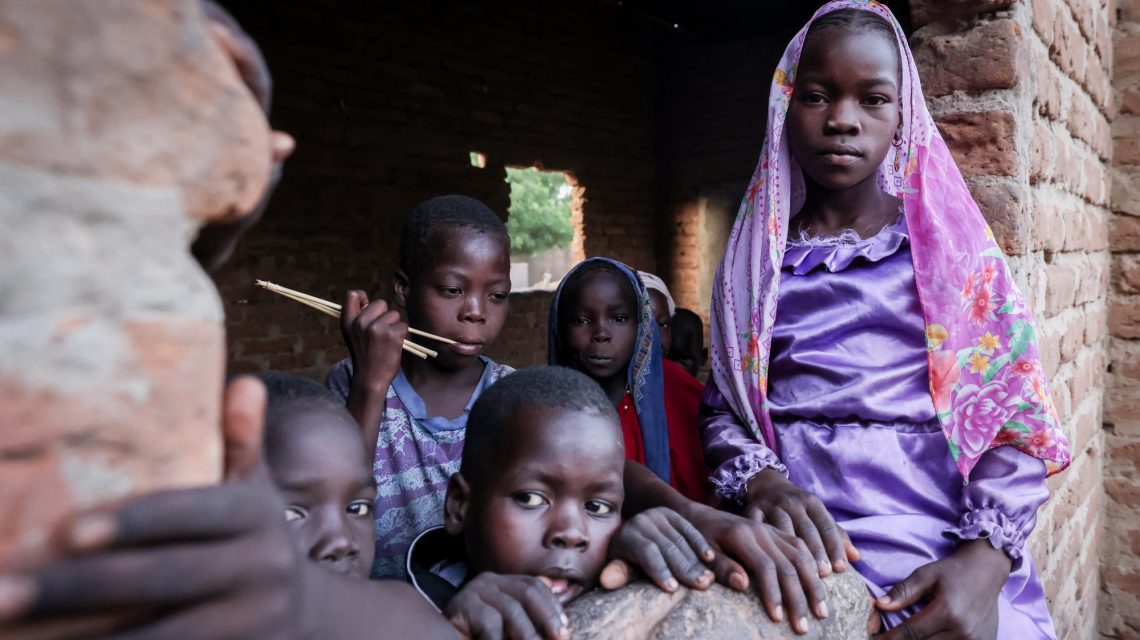
In N’Djamena, Chad, many local children live in challenging conditions due to economic difficulties and drought. The population relies heavily on livestock and agriculture. Despite these hardships, Chad maintains a rich cultural heritage. In rural areas, traditional lifestyles are largely maintained. Children, who comprise a significant part of the population, experience social life and cultural continuity through the community’s solidarity and limited resources.
Across East Africa, a food security crisis is escalating, posing severe threats to children. In Somalia, millions face acute hunger, with 1.9 million children at risk of severe malnutrition this year. Drought, conflict, and decreased humanitarian aid increase famine risk. Similar conditions in Sudan, South Sudan, Yemen, and Central America exacerbate the crisis.
A visit to a clinic in Somalia treating malnourished children reveals the grave danger. These children are often too weak to cry. Chronic hunger leads to a higher risk of disease and, in severe cases, can be fatal for young children. Affordable local food could prevent severe malnutrition. When malnourishment occurs, Ready-to-Use Therapeutic Food can save lives. Yet, many children relapse, highlighting the need for a prevention-focused food security strategy.
Data from the Famine Early Warning Systems Network is crucial. It provides insights into food insecurity and famine risks, allowing for timely interventions. The U.S. government’s decision to share analyses for Somalia, Afghanistan, and Yemen aids in visibility. However, strategy and action are essential.
The Global Food Security Act mandates a U.S. strategy every four years. The last was in 2022. A new strategy is crucial as hunger worsens in East Africa. The State Department supports foreign assistance, and a new strategy must focus on prevention and children’s protection. Save the Children’s long-standing efforts in countries like Somalia and Yemen underscore the cost of inaction. In the past, delayed responses in Somalia led to devastating losses, including 133,000 child deaths.
A timely global strategy should focus on where hunger intensifies, identify vulnerable populations, and apply effective interventions early. Early warning, financing, and action should be integrated, leveraging tools like the Famine Early Warning Systems Network. The strategy should consider this: prevention is more cost-effective than response. Investing one dollar in prevention could save up to seven dollars in disaster losses.
Preventing severe malnutrition is better than treating it. The cost of delay is immense, affecting children’s health and development. The hunger crisis is already here, and solutions are known. What’s lacking is a proactive strategy to implement these solutions before more children suffer the consequences.
Janti Soeripto serves as the U.S. president and CEO of Save the Children.
 Foods Associated with Longevity and Their Recipes
  Rethinking Youth Sports: A Focus on Health and Longevity
  Navigating Life’s Unexpected Turns: A Personal Journey
  Florida Woman’s Brain Tumor Discovery Reveals Years of Misdiagnosed Symptoms
  Controversy Over Heavy Metals in U.S. Cat Foods
  Suspected Plague Death in Siberia Spurs Health Measures