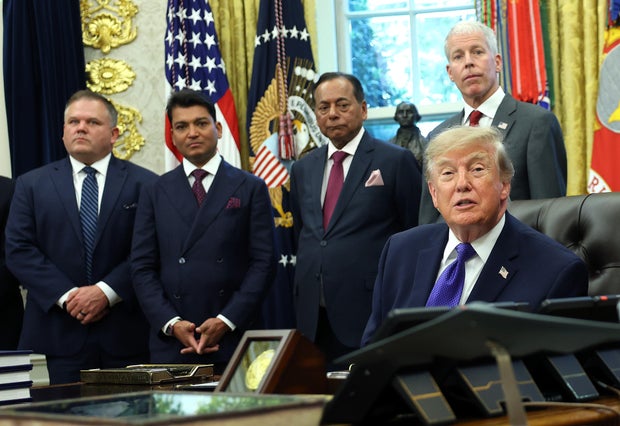
A legislative session in Iowa captured attention as lawmakers quickly put forward tax incentives intended for Mesabi Metallics’ new steel plant project. The initiative promises $1.36 billion in tax credits over ten years for steel manufacturing in Lee County. Owned by the Indian conglomerate, Essar Group, Mesabi Metallics has sparked diverging opinions among state representatives and residents.
On the day of the session, protestors gathered at the Iowa statehouse with signs denouncing the incentives through pens carrying slogans such as ‘No Steel Steal!’ Despite resistance, the Iowa House approved the measure by a 75-17 vote, and the Senate followed suit with a 28-19 margin. Governor Kim Reynolds gave it her signature later that evening.
This decision came shortly after President Trump’s announcement about the construction of the largest steel plant in U.S. history slated for Iowa. Trump’s declaration on Monday introduced a $15 billion endeavor meant to create approximately 1,750 permanent jobs and 6,000 construction jobs. However, Iowa state lawmakers were reportedly surprised and waiting to understand further specifics before the session was held.
The ones opposing the $1.36 billion tax benefits generally support steel plant aspirations but desire further assurances on public advantages. The incentives imply around $777,000 per permanent job over a decade, stirring discussions about the effectiveness of such an investment.
The fiscal commitment towards an Indian-based conglomerate is a contentious choice, especially during challenges in Iowa’s agricultural sector. The Presidents and representatives of Mesabi Metallics and Essar Group were part of President Trump’s Oval Office announcement in late September.
Choosing Iowa for Steel Production
Though states like Pennsylvania or Ohio might traditionally be associated with steel, Iowa benefits from strategic logistics. Mesabi Metallics imported its idea for choosing Iowa over Minnesota, citing practical downriver proximity to essential resources on the Mississippi River. Additionally, political factors come into play, with fiercely contested local congressional races in Iowa.
The financing plan targets the first congressional district, chaired by Republican Mariannette Miller-Meeks, who narrowly won against her Democratic rival in past elections. The electoral stakes increase with this project, potentially affecting party leanings and voter sentiment.
A Rocky History
Essar Group’s record involves a significant number of unmaterialized pledges and restructuring efforts. Their past endeavors failed in delivering promised employment and economic benefits. Historical examples include their 2008 proposal for a substantial mining and steel venture in Minnesota, which eventually resulted in bankruptcy and project abandonment.
The Essar Group, relying on considerable foreign investments, including from Russia’s state-owned VTB bank, faces skepticism surrounding their reliability. Comparisons to implausible pledges like Foxconn’s scaled-down operations in Wisconsin challenge the optimism around the Iowa plant.
Political Dynamics
Iowa lawmakers confront intricate political dynamics, balancing jobs and responsible fiscal management. Remarks from State Senators highlight tensions over the rushed nature of passing the measure without comprehensive due diligence. State Senator Kevin Alons expressed concerns over political pressure yet supported the decision. Others like Dave Sires, Dan Dawson, and Jeff Taylor vocalized reservations about fiscal prudence and prioritized thoughtful examination over hasty decisions.
Gubernatorial candidates face their own calculations, with Republicans and Democrats positioning themselves over the proposed site. Democratically aligned figures, including Rob Sand and Janice Weiner, demand openness and caution against giving away substantial tax credits precipitously.
As Iowa approaches voting opportunities, political figures weigh their investments in economic promises against practical realization risks. The substantial tax credit package requires mindfulness about budgets and assurances that projects like Mesabi Metallics’ steel plant align with long-term public interests.
The steel plant saga continuously evolves, and Iowans must gauge the potential benefits against the costs while making informed voting decisions.
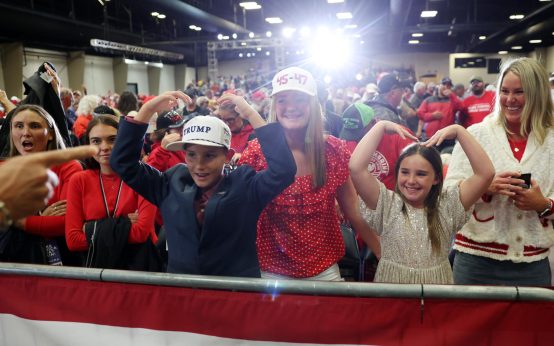 Trump Rallies in Red States Ahead of Midterms
  Evaluating the Choice of Electric Vehicles Amid Rising Fuel Costs
  Strategic Moves for Democrats Leading to Election Day
 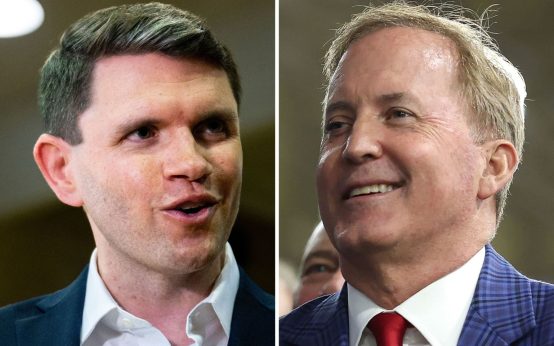 Texan Voters and Concerns Over Ken Paxton’s Trump Alliance
 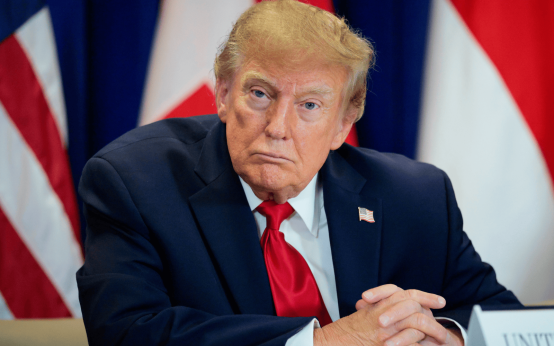 Trump’s Approval Ratings Lag in Key States Before Midterms
  Texas Senate Nominee Sparks Debate Over Religious Justifications in Politics