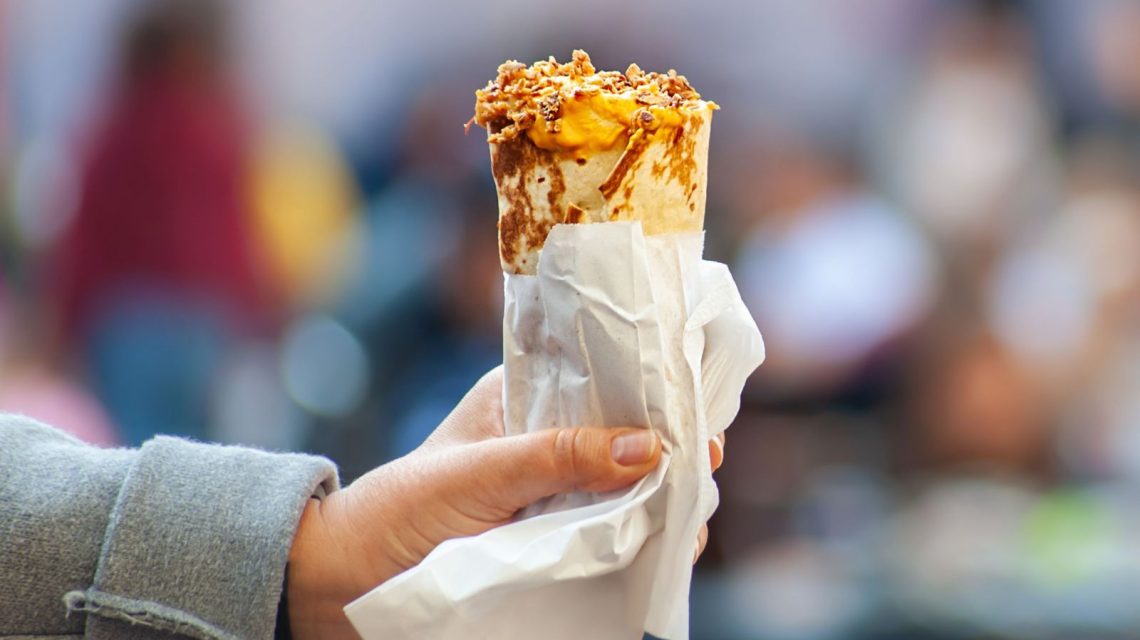
The cost of living debate has found a peculiar focus online: burritos. Conservative voices have engaged in discussions on X, formerly Twitter, regarding the price of dining out and groceries. This conversation reflects growing concerns over rising food costs, with grocery and restaurant prices climbing significantly over the past decade. Despite recent inflation moderation, the cost increase remains palpable for American households.
The Argument
Conservative commentator Matt Walsh kickstarted the discussion, expressing dissatisfaction with continuous grocery price hikes. “Grocery prices are insane. They’re still rising,” Walsh declared in a post viewed by over 4 million people. He argued that leaders need to prioritize addressing this issue.
The conversation soon veered towards restaurant pricing. Andrew Kolvet from Turning Point USA shared a student’s perspective: “A burrito shouldn’t cost $20.” Kolvet attributed high costs partially to inflation from the pandemic and the Biden administration, stating that people feel basic items are overly expensive.
Joel Berry from The Babylon Bee countered, suggesting the issue lies in culinary skills rather than price. “Last night, my wife made homemade burritos for our family of 8 and it cost less than $20 total,” Berry shared. His post, seen 11 million times, sparked further debate. Walsh responded by pointing out that despite thrifty practices, grocery prices have increased by over 30 percent in the last decade, and addressing this financial strain is crucial for conservatives.
Enough voices joined the discussion. One user, Southern Man, suggested lifestyle downgrades due to government spendings. Another user acknowledged the cheaper cost of home cooking but emphasized inflation’s distortion of affordability for average Americans.
Rising Food Prices
During a speech in Nevada, Trump claimed goods and services costs fell under his administration. “You know, they talk about affordability. I took over the country. The prices were through the roof,” he said in Las Vegas.
According to the Bureau of Labor Statistics, grocery prices have grown 35 percent since 2016, with restaurant and other food-away-from-home prices increasing 51 percent. The sharpest rises were during the pandemic, with groceries climbing 11.4 percent in 2022 and another 5 percent in 2023. Though inflation eased, previous price levels haven’t returned. By June 2026, groceries were still up 2.7 percent from the previous year, while food away from home increased 3.4 percent. The USDA forecasts further increases of 2.7 percent for groceries and 3.5 percent for dining out in 2026. Certain items saw even higher rises: beef and veal by 11.8 percent, fresh lettuce by 32.1 percent.
American Views on Price Rises
Amid these ongoing increases, many Americans struggle with grocery affordability. A July 2026 Washington Post-Ipsos poll revealed that 65 percent view groceries as unaffordable. This sentiment extends beyond low-income households, with 82 percent of adults earning below $50,000, 70 percent of those within the $50,000-$100,000 range, and 56 percent of earners above $100,000 expressing concerns. A 2025 AP-NORC survey highlighted grocery expenses as a significant stress source for 53 percent of adults, with 33 percent citing it as a minor stressor.
The Trump Administration’s Approach to Affordability
The Trump administration implemented measures to curb living costs. In 2025, Trump directed federal agencies to seek “emergency price relief,” targeting policies inflating food and fuel prices. A notable initiative addressed egg prices, with the Department of Agriculture dedicating up to $1 billion to combat avian influenza, protect poultry farms, and reduce egg prices. By June 2026, egg prices had decreased by 27.9 percent compared to the previous year. The USDA reported recovering egg production with fewer bird-flu cases.
Additionally, the administration targeted food industry competition, ordering investigations into anti-competitive practices in sectors such as meat processing and fertilizer production. Trump also exempted specific agricultural goods like coffee and beef from reciprocal tariffs established in 2025.
For further information, contact Newsweek editors Tobias Meyjes and Robert Greenall.