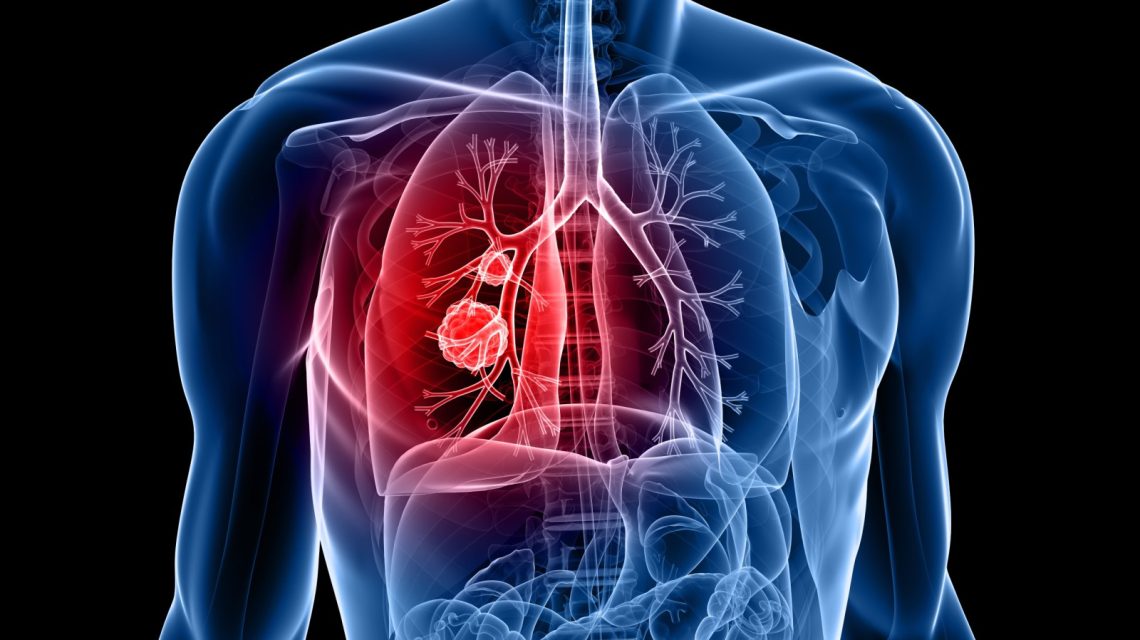
Research highlights a concerning link between a rare genetic mutation and increased lung cancer risk, even among non-smokers. A study finds that individuals with the EGFR T790M mutation face a substantially higher likelihood of developing lung cancer than those without it.
Study Findings
Published in the journal Science, the study examined genetic data from over 3 million individuals. Researchers discovered that carriers of the EGFR T790M mutation may have a 62-fold increased risk of lung cancer if they have never smoked. When accounting for people regardless of their smoking history, the risk remains approximately 25 times higher for mutation carriers.
“We tend to think of lung cancer risk primarily in terms of smoking and environmental exposures, but this study shows that, in some people, inherited genetics can also play a powerful role,” stated Dr. Jaclyn LoPiccolo during an interview with Newsweek.
The study sheds light on an important genetic factor contributing to lung cancer risk—a major cancer in both men and women across the United States. The American Cancer Society estimates around 229,410 new lung cancer cases will be diagnosed by 2026. Lung cancer remains the leading cause of cancer death, responsible for about a fifth of all cancer-related fatalities.
Risk Factors
Smoking is identified as a predominant risk factor, attributing to 80% of lung cancer deaths. Yet, other factors, such as air pollution and familial cancer history, also play crucial roles. Despite being poorly understood, inherited genetic factors significantly increase lung cancer risk.
The study’s genetic analysis traced the historical origins of the mutation. It likely spread to the United States through the Southern Appalachian region approximately 200 years ago.
The Mutation’s Geographic Origins
The mutation appears more frequently among certain ancestries. It is particularly enriched in individuals descending from British, Irish, African, and Indigenous American populations. Data suggests the mutation emerged in Europe, introduced to the U.S. by British and Irish settlers during the colonial period.
Future Implications
Dr. LoPiccolo emphasizes the importance of understanding the mutation’s impact on lung cancer development. “We now want to understand how lung cancer risk changes with age for people carrying the mutation, their lifetime risk, and potential reasons behind cancer development in some carriers versus others,” she stated.
The study’s findings suggest that genetic testing and early lung cancer screening could benefit those identified as mutation carriers, potentially leading to improved risk management and prevention strategies.
For further inquiries or health concerns, contact Newsweek via [email protected] for expert advice or information.
Reference: Jaclyn LoPiccolo et al., “Germline EGFR T790M mutation and lung cancer risk.” Science 393, eaec0473 (2026). DOI:10.1126/science.aec0473
 Democratic Lawmakers Attempt to Extend Medicare Prescription Drug Subsidy
  Exploring AI’s Impact on Health Care and Integration Challenges
  Grandparents and Rising Childcare Costs
  CDC Director’s Stance on RFK Jr.’s Leadership