Puerto Rico’s Water Crisis: Infrastructure Challenges and Civic Engagement
Residents of Puerto Rico are facing significant water rationing and service disruptions due to drought conditions and aging infrastructure. This crisis has revealed persistent weaknesses within the island’s water system, echoing previous exposure during past disasters. Nine years after Hurricane Maria, many citizens are questioning the transparency and accountability of the institutions responsible for essential services.
A White House spokesperson has stated that the situation is being closely monitored. Newsweek reached out to the Puerto Rico Aqueduct and Sewer Authority (PRASA) for comments on its plans for infrastructure improvement and responses to ongoing drought conditions. Updates will be provided upon receipt.
Understanding the Immediate Causes
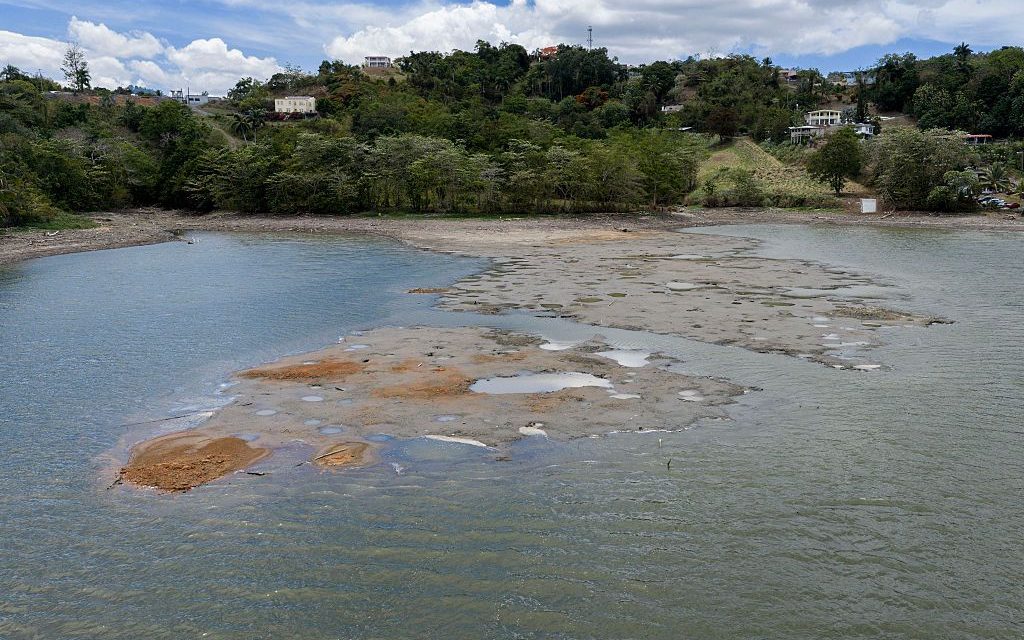
The current water crisis stems from severe drought conditions combined with a struggling, outdated water distribution network. This past July was recorded as the driest month in over 120 years in San Juan, leading to moderate to severe drought across much of Puerto Rico. Reservoir levels have dropped significantly, prompting temporary water-rationing measures.
Underlying issues preceding the drought exacerbate these challenges. According to a report by the Puerto Rico Task Force of the New York City Bar Association, water shortages have been frequent in Puerto Rico long before Hurricanes Irma and Maria. The island’s deteriorating infrastructure magnifies the impact. PRASA has estimated that up to 65% of the water produced is lost to leaks and pipe failures before reaching consumers.
In June, a major pipeline failure illustrated the system’s vulnerability. Emergency measures only temporarily stabilized services and highlighted ongoing issues with maintenance and modernization. Echoing concerns from Hurricane Maria, these questions point to neglect within critical public systems.
Lessons from Hurricane Maria
When Hurricane Maria devastated Puerto Rico on September 20, nine years ago, it caused catastrophic damage and severely affected communications networks, triggering a major humanitarian crisis. The disaster highlighted weaknesses in infrastructure and government response systems.
Jennice Fuentes, founder of BoricuActivatEd and former chief of staff to Democratic Representative Luis Gutierrez, refuted the idea that Puerto Ricans lacked knowledge of navigating government systems. Fuentes argued that while Hurricane Maria was an extraordinary catastrophe, it exposed a gap between citizens’ desire to act and their understanding of governmental functioning.
Community mobilization occurred immediately after the storm, with efforts focused on fundraising, supply collection, and relief organization. However, many struggled with basic questions regarding decision-makers and accountable parties, signifying a disconnect from the mechanics of power.
Fuentes emphasized the importance of civic understanding as a tool for effective advocacy. She urged citizens to learn about government processes to demand accountability and meaningful actions after emergencies.
The Need for Civic Engagement and Accountability
The current water emergency highlights similar civic challenges to those exposed after Maria. Fuentes asserted that the crisis serves as a reminder of systemic issues that precede catastrophic events: infrastructure maintenance, planning, budgeting, management, contracts, oversight, and accountability.
Fuentes emphasized that while civic knowledge aids in identifying responsible parties, it does not replace the responsibility of government agencies. She warned against allowing civic empowerment to be an excuse for institutional failures.
Echoing these sentiments, the New York City Bar Association’s Puerto Rico Task Force criticized fragmented authority among federal, territorial, and local agencies. This fragmentation complicates efforts for residents to identify responsible entities when services fail.
In response to these challenges, BoricuActivatEd was established with a focus on civic education and empowerment. The organization emphasizes fostering knowledge and confidence to advocate for solutions before emergencies occur.
The Role of Civic Power and Engagement
Fuentes underscored the importance of sustained civic engagement beyond immediate crises. Despite improvements in reservoir levels and conditions, long-term civic participation is needed for effecting change before emergencies escalate.
According to Fuentes, much public participation is crisis-driven, leading to frustration and fatigue without effective advocacy between emergencies.
Decisions that impact future crises often occur beforehand, influenced by budgets, contracts, infrastructure planning, and agency actions with little public visibility. Fuentes asserted that civic power involves developing habits and knowledge for proactive involvement.
Continuous Federal Engagement and Civic Literacy Goals
Fuentes noted that Puerto Rico’s relationship with Washington often becomes episodic. Federal attention spikes during disasters or political events but fades afterward. She stressed that continuous engagement would be more beneficial than transactional dealings.
Fuentes emphasized constituent advocacy’s significant impact, seeing firsthand the power residents have by identifying themselves as constituents during government interactions. She envisions civic literacy to be as widespread as any other form of education by 2030, with residents understanding their government roles, representatives, and decision-making processes.
Strengthening civic literacy would not only improve accountability regarding future infrastructure failures but ensure responsible authorities are identifiable.
The current water crisis underscores deeper discussions surrounding civic empowerment, public accountability, and the necessity of equipping Puerto Ricans with tools to demand answers before new challenges arise.
 Ukraine’s Major Drone Attack Intensifies Moscow Conflict
  Democratic Lawmakers Attempt to Extend Medicare Prescription Drug Subsidy
  Gas Prices and Political Impact: A Closer Look
  Satellite Images Show Dramatic Retreat of Lake Powell Over Nine Years
  Divisions Emerge in Texas GOP Amid Competitive Races
  Greenland’s Deal and Sovereignty Concerns