
A Georgia family’s morning routine nearly turned disastrous when their 2-year-old experienced a severe allergic reaction to eggs. This incident underscores the unpredictability of childhood food allergies.
Kendall Thomas shared her experience with Newsweek, describing how the day began normally at her parents’ home with her husband and daughter. “We often have breakfast there,” she said. “That night my daughter had stained her onesie, so she ate wearing just a diaper.” This detail became crucial.
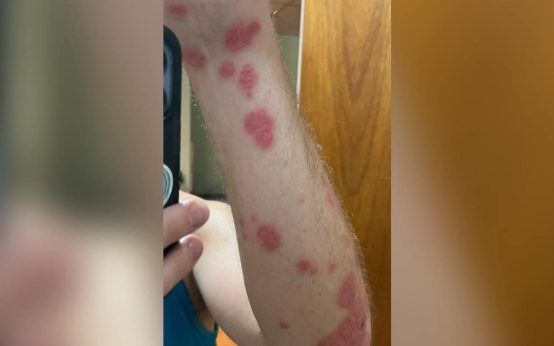
About a minute after consuming eggs—a food she had previously tolerated—the toddler developed a rash on her abdomen. Thomas suspected an allergic reaction, recalling a minor incident months earlier. “She had a small reaction back then, but we couldn’t identify the cause,” Thomas noted. “She’d eaten eggs numerous times without issues.”
Egg allergies are among the most common food allergies in the U.S., affecting approximately 0.9% of all children and 1.3% of those under age 5. A study in the Journal of Allergy and Clinical Immunology: In Practice estimates that 2.7 million Americans have an egg allergy. While many reactions are mild, some can be severe, including symptoms like throat tightening, wheezing, and low blood pressure, which are associated with anaphylaxis.
Following pediatric advice, Thomas initially administered diphenhydramine (Benadryl). However, her daughter vomited the medication and developed a widespread rash, accompanied by persistent coughing. The family rushed to the hospital as the child became unresponsive, vomited again, and stopped breathing. Thomas vividly remembered the ordeal: “She wasn’t breathing—everything seemed both slow and fast, and I prayed for her survival.”
While Thomas drove, her mother worked in the backseat to clear the airway and stimulate breathing. After a tense minute, the toddler gasped for air and began crying, marking a turning point as they reached the emergency department.
Medical staff evaluated the toddler quickly, and within an hour, her rash had resolved, and she was stable. “We’re still uncertain about the exact trigger,” Thomas shared, “but we’ve been given EpiPens.”
Reflecting on the incident, Thomas praised her husband’s driving and thanked motorists, emergency dispatchers, and medical personnel. She hopes other parents consider the risks associated with hidden food allergens. “Introduce allergens with caution,” Thomas advised. “Despite her allergy, she can enjoy cakes and cookies without eggs. We’re cautious about her diet, especially when eating out, but it’s our new normal.”
 Understanding School Shooting Preparedness Drills
  The War on Poverty: A Lesson on Intentions and Outcomes
  Florida Reports First Dengue Fever Death as Outbreak Expands
  Federal Relief Funds Used for Anti-Racism Training in Albuquerque Schools
  Florida Man Claims ‘Lion Diet’ Transformed Health and Life
  Concerns Over Food Safety and Its Impact on Families