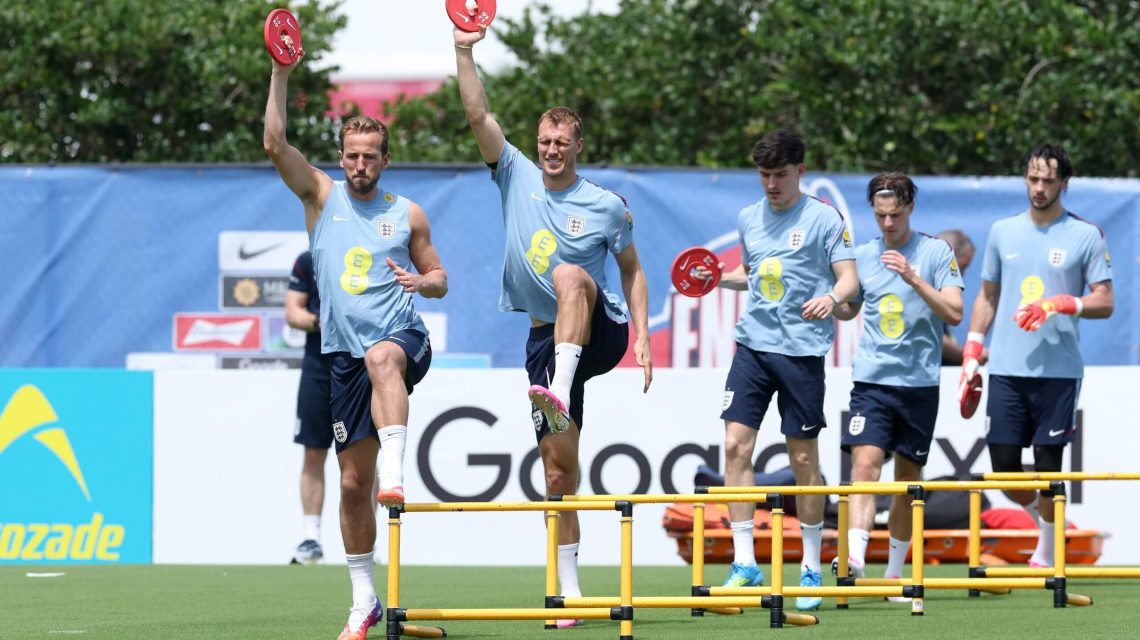
The Football Association (FA) set high expectations with the appointment of Thomas Tuchel as England’s head coach in October 2024. The goal was clear: winning the World Cup for the first time in 60 years. Tuchel, a notable Champions League winner, became the FA’s choice when Pep Guardiola extended his contract with Manchester City.
Despite the lofty ambitions, England faces France in the third-place play-off in Miami, following a semi-final exit to Argentina. A similar encounter occurred eight years ago under Gareth Southgate, who also led England to a third-place play-off against Belgium. This outcome comes as a disappointment to many, especially given Tuchel’s role to secure the 2026 World Cup.
Though there was confidence in achieving this, England did not meet their target. Jake Reid, president of Sporting Kansas City, shared that Tuchel and FA staff had joked about commemorative tattoos if they succeeded. Despite the setback, Tuchel maintains his position. His contract included clauses allowing for termination if England exited before the quarter-finals. However, the FA sees potential in Tuchel, even with Guardiola now available.
England’s World Cup strategy was built around creating a cohesive team, known as ‘Team England’, emphasizing player unity and shared goals. This approach was evident from their September international break, focusing on players committed to the campaign’s seven-week duration.
Tuchel’s emphasis was on building a team over collecting talent. This decision excluded prominent players like Phil Foden, Cole Palmer, and Trent Alexander-Arnold. Instead, selections favored team commitment, athletic capacity, and fitting into the chosen 4-2-3-1 system. This brought its risks, notably in midfield depth, with Henderson and Mainoo as backups.
The FA prioritized a training base with practical considerations like climate and convenience, selecting Kansas City. The location offered players a comfortable environment, enhancing team spirit through accessible facilities and leisure activities.
Challenges emerged, such as stolen equipment and security breaches, but the overall atmosphere remained positive. Tuchel aimed to cultivate a cohesive squad, focusing on players’ roles and contributions. This strategy faced hurdles, such as managing disaffected substitutes and maximizing player use.
Captain Harry Kane, crucial to England’s attack, thrived in collaboration with Jude Bellingham. Yet, despite strong individual performances, their collective impact waned in key matches, particularly the semi-final against Argentina. Bellingham, central to expectations, excelled in various roles but the team’s dynamics faltered.
Tuchel’s tactics faced criticism after England’s defeat to Argentina. Many insiders questioned whether his reputation as a tactician was deserved. With the team failing to adopt an aggressive stance against high-quality opponents, tactical choices and squad selections attracted scrutiny.
Despite the setback, Tuchel remains England’s coach. The FA and Tuchel both reaffirm their commitment to the upcoming Euro 2028, hosted in England. An ongoing review will assess the World Cup performance, recognizing the complex factors beyond merely reaching the semi-finals.
Public sentiment reflects the disappointment, particularly with England’s inability to maintain match control against Argentina. Discussions about the tactical retreat focus on accountability between Tuchel and the players. Moving forward, the rebuilding process will look to satisfy both strategic goals and public expectations, crucial as England prepares for the Nations League in September.
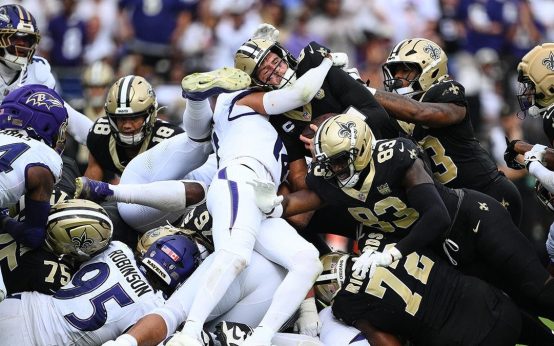 Saints’ Tyler Shough Leads Team to Win Amid Controversial Call
  NFL Week 2: Key Insights From Each Game
 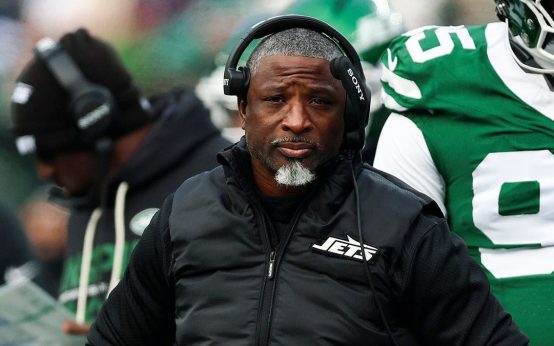 Jets Coach’s Clock Management Sparks Debate
 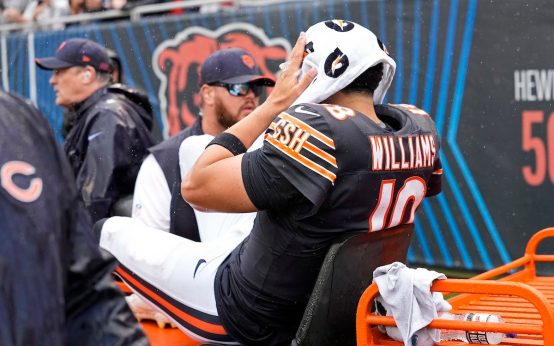 Chicago Bears Struggle After Caleb Williams’ Injury
  Jayden Daniels Suffers Elbow Injury; Marcus Mariota Set to Start
  The Cost of Challenging Beijing