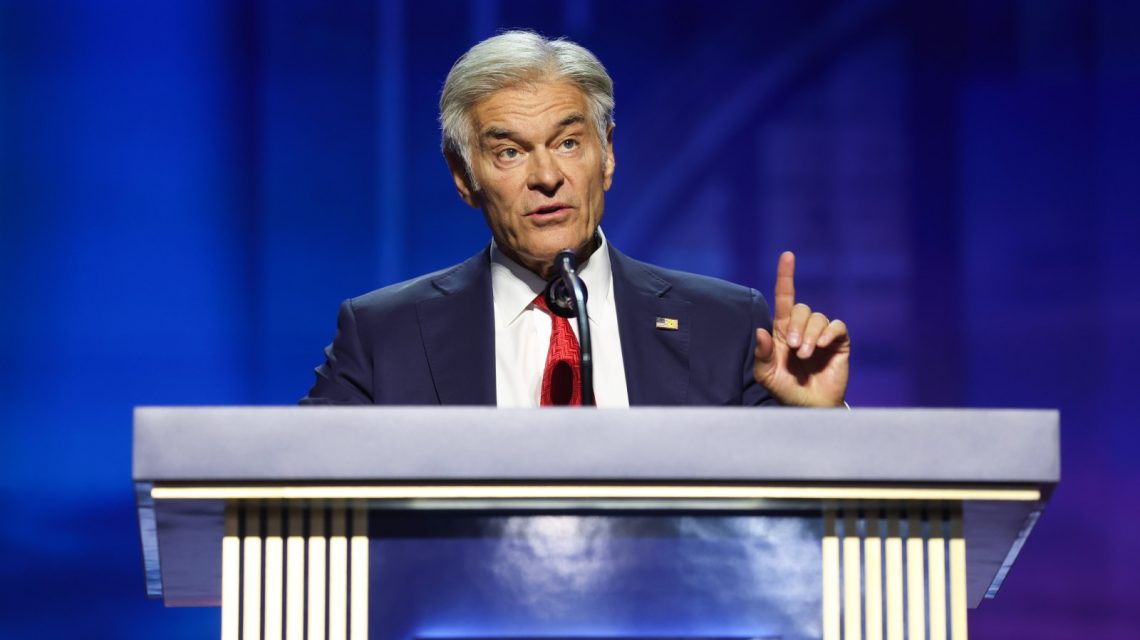
Americans should prepare for an increase in Medicare costs due to the nation’s aging population, stated Dr. Mehmet Oz, administrator of the Centers for Medicare & Medicaid Services (CMS), on Thursday. In an interview with Newsmax, Oz highlighted that spending growth is anticipated as more seniors enroll in Medicare and utilize healthcare services. The administration intends to align cost increases with inflation, rather than letting costs rise at an uncontrolled pace.
Oz remarked, ‘The Medicare costs are going to rise because of the demographic shift. More seniors are using services necessary for maintaining their health.’ These comments were made during his appearance with Greta Van Susteren on ‘The Record.’
Why It Matters
With over 68 million Americans enrolling in Medicare, forecasts indicate the program’s costs will escalate as the baby boomer generation enters retirement. These growing costs have sparked bipartisan worries about Medicare’s financial sustainability. Dr. Oz’s comments suggest continued pressure on Medicare spending rather than stabilization or reduction. For beneficiaries, rising costs may affect premiums and deductibles.
What To Know
In response to Van Susteren’s inquiry about whether Medicare costs will remain flat or change next year, Oz indicated, ‘No, the Medicare costs will rise due to the demographic shift—more seniors utilizing required services for their health.’ He added that increases are more acceptable if they mirror inflation.
‘I’m willing to tolerate, and I think all of us would, if Medicare increases at the same rate as inflation,’ Oz stated. ‘That’s fair. We just don’t want it to increase faster than inflation.’ As Americans live longer and more reach retirement age, Medicare enrollment grows, increasing demand for hospital care, prescription drugs, and other benefits.
Michael Ryan, a finance expert and founder of MichaelRyanMoney.com, shared concerns with Newsweek about the impact on beneficiaries. ‘Medicare doesn’t absorb all increases,’ Ryan noted. ‘Some eventually appear in premiums, deductibles, and other out-of-pocket costs. For retirees on relatively fixed incomes, even modest increases matter because healthcare competes with groceries, housing, and other essentials.’
The administration has shifted focus towards reshaping federal health policy. Yet, Medicare is primarily funded via taxes from current workers and provides benefits to retirees. An aging population poses challenges, experts say.
‘What worries me more is the long-term math,’ Ryan commented. ‘You can address fraud and negotiate drug prices, and it’s necessary. But you can’t prevent fraud to solve an aging population needing more care.’
Healthcare spending tends to rise with age, mainly for hospital care and chronic disease management. Alex Beene, a financial literacy instructor at the University of Tennessee at Martin, warned Newsweek, ‘The warning about healthcare affordability is hard to ignore when less than half of Americans can afford needed care regularly. Even Medicare beneficiaries see premiums consuming more of their income.’
Why Medicare Spending Faces Upward Pressure
Medicare Costs vs. Inflation
Oz suggested comparing Medicare spending growth to inflation as a key test. Since inflation data shows a 3.4 percent annual consumer price increase, cost increases matching this inflation would be reasonable, he said. However, any rapid growth beyond this rate could be concerning.
Kevin Thompson, CEO of 9i Capital Group and host of the 9innings podcast, challenged the view of unavoidable Medicare cost rises. ‘Medicare costs are rising not only due to increased demand but also due to the industry’s for-profit nature,’ Thompson informed Newsweek. ‘Often, the more uninsured people you have, the higher the cost burden for those insured. Until we cover everyone, higher costs will be passed along to the insured.’
What Happens Next
Medicare beneficiaries can expect more details about 2027 costs soon. As the 2026 midterm campaign advances, Medicare will likely continue as a significant political topic, with parties proposing contrasting strategies to preserve the program’s financial health and safeguard access to care.
‘The real question isn’t whether Medicare costs will rise,’ Ryan stated. ‘They will. It’s whether we can ensure that the healthcare we’re paying more for is genuinely worth it.’
 Federal Relief Funds Used for Anti-Racism Training in Albuquerque Schools
  Florida Man Claims ‘Lion Diet’ Transformed Health and Life
  Concerns Over Food Safety and Its Impact on Families
  A Mother’s Tragic Journey Under Abortion Ban
  Medical Diagnosis Errors: Understanding the Crisis
  Lymphatic Drainage and Ice Sculpting: Emerging Wellness Trends