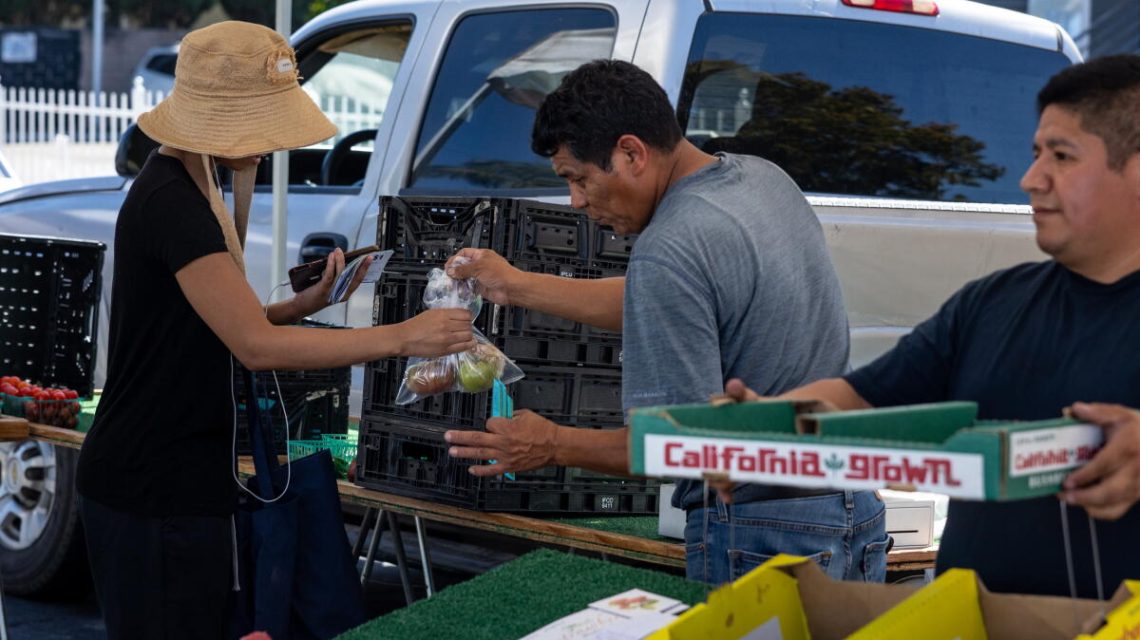
The global trade conflict initiated by President Trump is increasing inflation in the U.S. economy and raising the prices of everyday items. The conflict with Iran is causing gas prices to fluctuate. Tax cuts have expanded the national debt beyond $40 trillion, creating issues in the bond market. Furthermore, a strict immigration policy is disrupting labor in sectors like agriculture, construction, and food processing, driving costs even higher.
As Trump reaches the middle of his second term, his administration faces significant scrutiny in the midterm elections, largely due to economic management. His economic policies pose a challenge for Republicans as elections near, requiring them to back policies causing domestic issues, even as long-term benefits are argued by the White House.
Polling over the summer showed Trump’s economic approval ratings low, with less than a third of Americans supporting his economic management. A University of Massachusetts Amherst poll indicated that only 22% rated the economy as good or fair. With the midterm elections approaching, experts note that economic woes quickly lower public confidence, while positive news takes longer to have an impact.
Aaron Klein from the Brookings Institution explained, “Voters’ opinion of the economy has mostly hardened.” Negative economic perceptions persist. Moving into the holiday weekend, Trump dismissed opponents of data-center construction as “backwards and poor.” The escalating trade dispute with Canada threatens Republican standing in key battlegrounds along the northern border, crucial for Senate control.
Recent polls highlighted that over 90% of Americans believe corruption is prevalent in Trump’s government. Despite this, Trump continues promoting his record on manufacturing and distancing himself from any potential midterm failures. He told reporters, “I’m not affected by the election. My party’s running, and I’m going to help my party.” However, Rep. Mike Johnson points out that the midterms will reflect on Trump’s presidency, saying, “Even though his name isn’t in the midterm, his legacy is.”
Several Republican incumbents are distancing from the president, with lawmakers planning to skip Trump’s midterm GOP convention in Texas. Gas prices are a notable issue for Americans, and Joanne Hsu from the University of Michigan’s Survey of Consumers stated that gas prices significantly influence public sentiment about the economy. The ongoing conflict with Iran, affecting commercial shipping, is a major factor behind rising prices.
Vice President JD Vance acknowledged the impact of the Iran conflict on gas prices but did not predict when prices might decrease. A record diesel price of $5.85 a gallon was reached, impacting areas like California where it sold for as much as $7.71. Trump minimized the pressure from the Strait of Hormuz situation, highlighting naval efforts and oil flow.
Trump also promoted an agreement with Venezuela to develop its oil reserves, suggesting that prices will eventually drop, though no specific timeline was provided. Economic concerns remain a significant influence on voter sentiment as the elections approach.
Monica Escalante, a home care provider and union member, commented on the economic strain from tariffs on grocery products and rising gas costs due to the Iran war. She described the difficulty in managing expenses and providing necessary services during these challenging times.
 The Impact of Arts and Closure on Democracy
 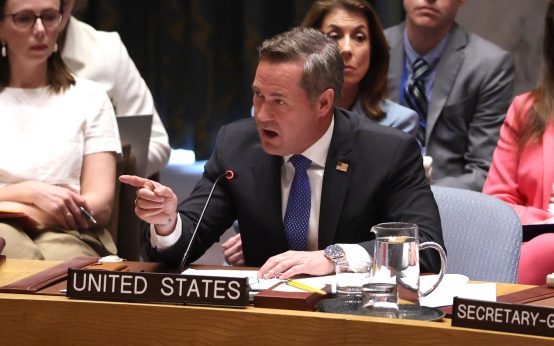 U.S. Ambassador Comments on Iran War Duration Amid Political Concerns
 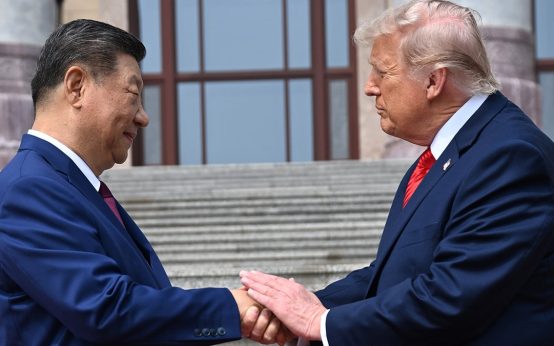 US-China Relations Under Scrutiny: Expert Warns of Escalating Tensions
  No Timeline for End of Iran Conflict
 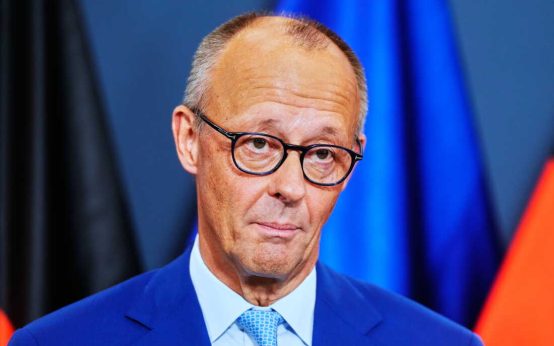 German Chancellor Merz Vows to Pursue Reforms Despite Election Setbacks
 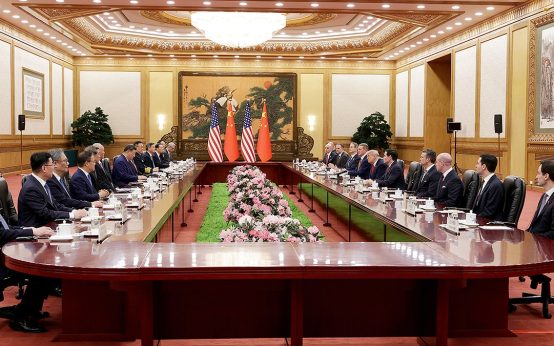 The Technology Rivalry: Trump’s Meeting with Xi and the AI Ecosystem Clash