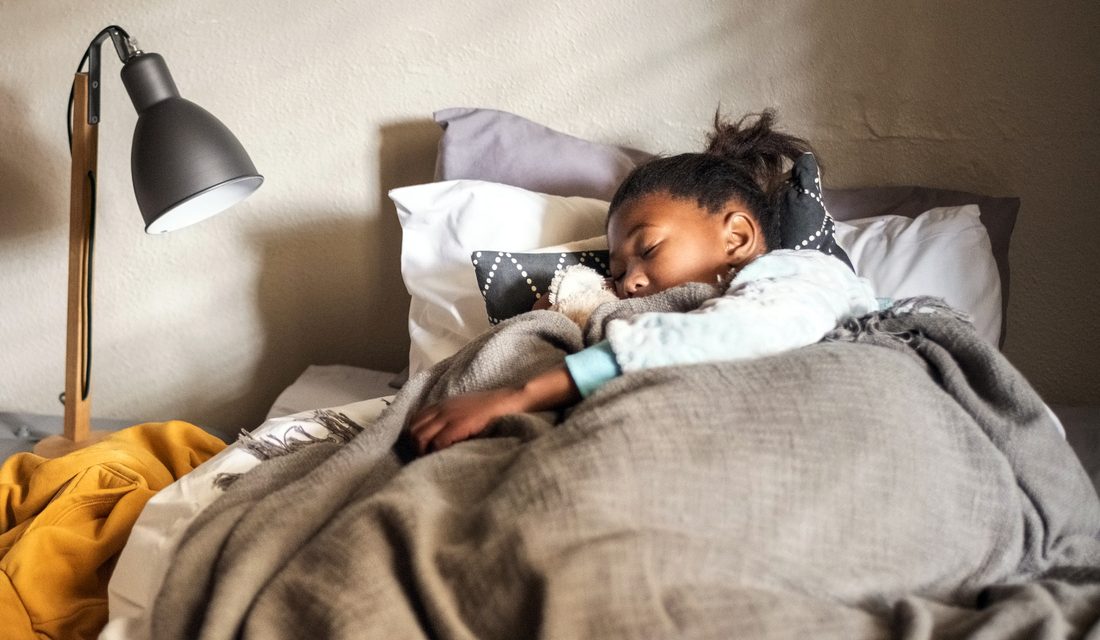
Ensuring children have sufficient sleep is crucial for their ability to focus, retain information, and strengthen their immune systems. However, many young ones are not mindful of these sleep benefits. Parents often find it challenging to ensure that their children from five to eleven years old unwind and prepare for bedtime. Dr. Nilong Vyas, a pediatrics sleep consultant and owner of Sleepless in NOLA, offers valuable advice for parents and caregivers struggling with managing bedtime routines.
Developing a Bedtime Routine
Optimal sleep is vital for wellbeing, yet achieving a peaceful night’s rest can be difficult. Dr. Vyas emphasizes the importance of an established bedtime routine to build positive sleep habits within the family. This involves actions like turning off screens, spending quality time with children, changing into pajamas, brushing teeth, and saying goodnight.
Maintaining a consistent bedtime schedule contributes to more than adequate sleep. Vyas underscores that reliable sleep hygiene and routines allow children to excel both academically and in everyday life. She advises tailoring routines that fit the family’s needs. Key priorities include sufficient sleep, consistent bedtime routines, and maintaining regular wake times throughout the week.
Minimize Screen Distractions
Electronic devices can interfere with children’s ability to fall asleep, as bright lights from these screens inhibit melatonin, a sleep-inducing hormone. Vyas recommends shutting off devices like TVs, phones, and tablets at least an hour before bedtime. This practice encourages children to associate bedrooms with sleep rather than stimulation.
Separating schoolwork areas from sleeping zones, such as keeping textbooks and laptops out of bedrooms, also helps foster a sleep-friendly environment.
Consistency is Key
Consistency is essential for improving sleep habits. Vyas advises families to stick to new routines for three to four days to notice behavioral changes in children. According to the American Academy of Sleep Medicine, children aged five to eleven should sleep nine to thirteen hours, while teenagers should aim for eight to ten hours to maintain optimal health.
Creating a supportive sleep environment aids in maintaining routines. Vyas recommends blackout curtains to create darkness, sound machines for consistent sleep, and maintaining room temperatures between 67 and 69 degrees Fahrenheit for deeper sleep.
Anticipate Bedtime Delays
Watching for signs of tiredness in children is crucial as bedtime approaches. Starting the routine early can prevent delay tactics like requesting extra hugs, bathroom trips, or soothing items.
Vyas suggests using a bedtime checklist to note usual requests from children before sleep, such as water or storytime. Completing these items earlier reinforces meeting the child’s needs, enabling easier transitions when leaving the room.
The podcast production of this topic was managed by Janet W. Lee, with assistance from Stuart Rushfield. We welcome further suggestions from listeners; please contact us with life hacks at 202-216-9823 or by emailing [email protected]. This resource contributes to enhancing family sleep schedules.
 Lawsuit Filed Over Preeclampsia Death in Texas Amid Abortion Ban Controversy
  Illinois American Water Faces Opposition Over Proposed Rate Increase
  Porsha Williams Opens Up About Emergency Surgery and Health Challenges
  Discussing Weight-Loss Medication with Children: A Parent’s Approach
  Conjoined Twins Separated in Complex Surgery
  Genetic Mutation Linked to Elevated Lung Cancer Risk