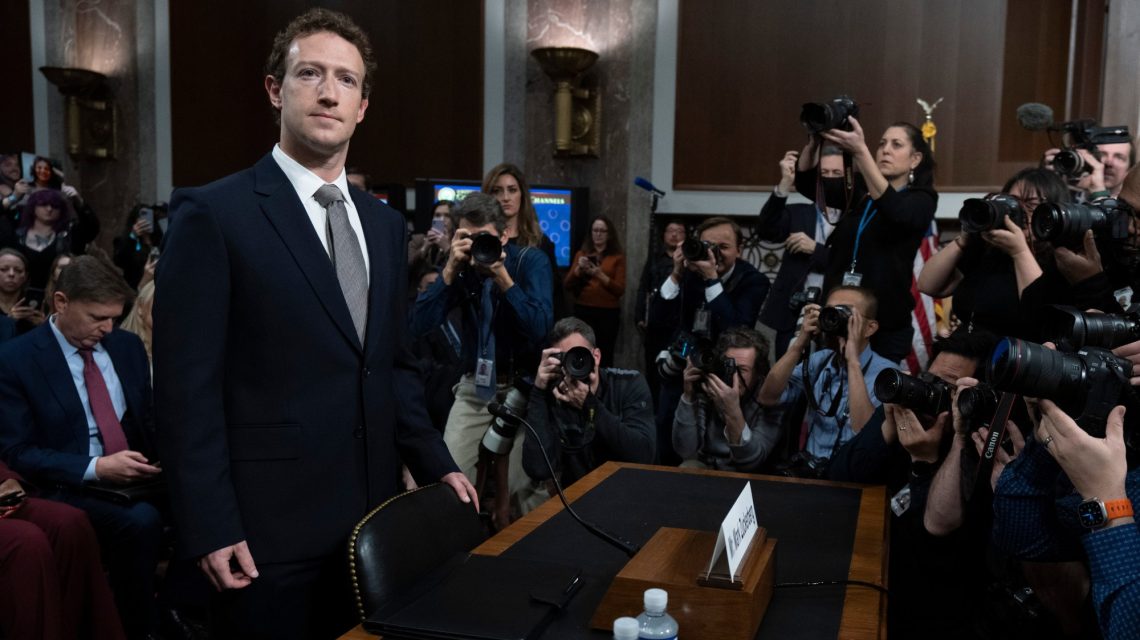
Meta, the social media company’s CEO Mark Zuckerberg, appeared before the Senate Judiciary Committee in Washington on January 31, 2024, to discuss child safety. On August 26, amid a major trial concerning social media, Meta settled with 47 states, Washington D.C., and U.S. territories. The settlement involves Meta paying $12.19 billion over 10 years, with potential rise to $17.1 billion if TikTok and YouTube accept similar terms. Notably, a $1 billion settlement with Texas was reached on the same day.
Considered the largest state consumer protection settlement outside Big Tobacco, the settlement falls short of expectations. Initially, the states sought around $200 billion, while Meta faced potential damages up to $1.4 trillion. This case had the potential to fundamentally change Meta and social media industry, yet Meta ended up paying less than 10% of the amount requested.
Mark Weinstein, one of the early architects of social networking, expressed disappointment that the settlement only partially addresses the issues. For nearly three decades, he has built social media platforms without relying on targeted ads or algorithmic manipulation. He claims the industry veered off course with an aggressive approach to engagement and surveillance advertising. The settlement provided an opportunity to reclaim control, but missed the mark.
Meta had already lost two significant cases in 2023. In March, a Los Angeles jury found Meta and YouTube liable in a personal injury trial regarding addictive design. Another case in New Mexico resulted in penalties approaching $1 billion. During the latest trial, deputy attorney general Megan O’Neill described Meta’s harmful design as intentionally manipulative, targeting children. A former Meta safety engineer and whistleblower, Arturo Bejar, testified against Meta’s practices concerning underage users.
Evidence included an email from Bejar to Zuckerberg in 2021, revealing over half of teens surveyed experienced harm on Instagram. Zuckerberg did not reply, and the company’s settlement preempted his testimony, indicating the strength of presented evidence.
“Hook the users. Hold them for as long as they can. Harvest their data. Hide the truth from the public when making public statements,”
The comparison between social media and tobacco was made several times during the trial, noting similarities in marketing strategies. The 1998 settlement involving cigarette makers resulted in significant changes to marketing, especially for children, yet addictive qualities persisted. This settlement aimed to transform the product itself.
Several changes were mandated for users under 18: a maximum limit of two hours per day, restricted access between midnight and 6:00 a.m., no push notifications during school hours or overnight, no public “like” counts, and no beauty filters. Parents hold the ability to modify time limits and block off hours, but direct messages remain unaffected.
Notably absent are changes to algorithmically manipulated newsfeeds, a core component of Meta’s business model. The settlement requires age verification to remove users under 13, yet method selection is left entirely to Meta.
Despite the settlement, Meta emerged relatively unharmed, with its stock increasing by 4%, adding roughly $59 billion to market value. Florida Attorney General James Uthmeier rejected the settlement, criticizing it as insufficient compared to harms inflicted by Meta’s addictive features.
Meta’s response amid similar cases involving YouTube, TikTok, and Snap remains under scrutiny. California Attorney General Rob Bonta stated Meta leads the queue for accountability. Meta’s $5 billion payment stipulates YouTube and TikTok adopting similar measures, preventing users, particularly children, from migrating to competing apps.
Outside the courtroom, resistance to social media-induced harms has grown stronger. Recent years witnessed nearly 30 states implementing phone bans in schools, while legislative efforts like the Kids Online Safety Act advance. Australia barred users under 16 from social media, setting an international precedent, followed by similar steps from other countries and the European Union.
As thousands of lawsuits from individuals and school districts continue, Meta admits no wrongdoing. The recent settlement left attorneys general with tangible results, although critics argue Meta received a bargain. Advocacy against settling encourages legal challenges, favoring jury trials.
Meta’s settlement narrative echoes that of the Cambridge Analytica case. Despite facing substantial penalties, resulting fines were comparatively meager, allowing stock prices to recover swiftly. When a company experiences stock rise post-penalty announcement, concerns surface regarding penalty efficacy.
Mark Weinstein, an industry pioneer, emphasizes holding companies accountable through jury trials to instigate substantial changes within the social media landscape.
 Experts Warn Against Alarmism in AI Governance
  AI and the Changing Nature of Google Searches
  Data Centers Stir Controversy in Texas Amid Growth Boom
  The Technology Rivalry: Trump’s Meeting with Xi and the AI Ecosystem Clash
  Ways to Protect Your Finances from Cyber Threats
  Interview with Nvidia CEO Jensen Huang: AI Outlook and Business Strategy