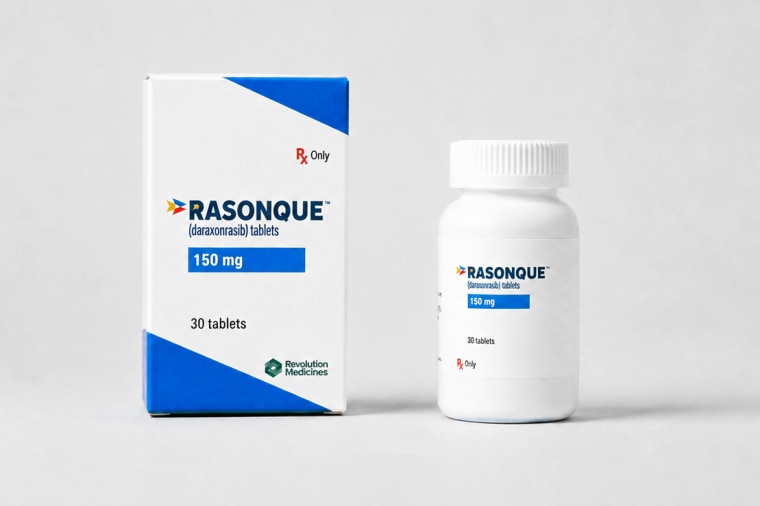
The Food and Drug Administration (FDA) has approved a new pancreatic cancer drug expected to change the approach to treating this lethal disease. Revolution Medicines’ Rasonque, also known as daraxonrasib, has gained approval for patients with advanced pancreatic cancer who have exhausted previous treatments such as chemotherapy.
Clinical Trial Results
The approval follows a late-stage clinical trial involving 500 patients. Those receiving Rasonque with standard chemotherapy had an average survival rate of 13.2 months. This figure is nearly double compared to patients receiving only chemotherapy. Dr. Rachna Shroff from the University of Arizona Cancer Center expressed immense satisfaction with the trial results, describing them as a significant advancement for pancreatic cancer treatment.
Side Effects
Despite its promise, the drug does present side effects. These include a severe rash, sores in the mouth and throat, vomiting, and diarrhea. Former Senator Ben Sasse, a participant in the clinical trial, referred to the rash similarly to an extreme reaction during a podcast.
Targeting the KRAS Mutation
Rasonque targets a mutation in the KRAS gene, which is found in nearly all pancreatic cancers. This gene plays a key role in cell growth within the body. The mutation causes the gene to remain activated, leading to uncontrolled cell growth. Scientists have long aimed to find a way to deactivate this mutation. The development of Rasonque marks the first successful attempt at doing so in pancreatic cancers.
The Impact of Approval
Channing Der from the University of North Carolina at Chapel Hill highlights this approval as a pivotal moment in pancreatic cancer treatment. Considering that pancreatic cancer ranks as the third leading cause of cancer deaths in the U.S., the approval is a major step forward. According to the American Cancer Society, over 67,000 cases are anticipated in the U.S. this year.
The absence of effective screening methods and the vague nature of early symptoms make pancreatic cancer one of the toughest to diagnose and treat, particularly in late stages. The five-year survival rate for pancreatic adenocarcinoma, the most prevalent form, is only 8%.
Access and Cost
Revolution Medicines reports that over 2,000 patients have already received Rasonque through an expanded access program initiated in May. However, the company has not disclosed the cost of the drug.
 Measles Exposure in Philadelphia Raises Health Concerns
  Lawsuits Claim Vision Loss Risk from GLP-1 Medications
 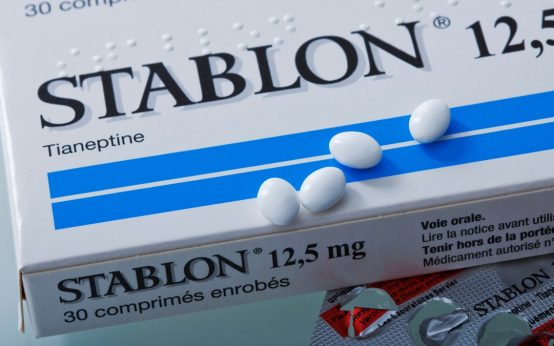 States Tighten Regulations on Tianeptine, Known as ‘Gas Station Heroin’
  Medicare Lab Test Payments: Upcoming Changes and Their Implications
  Gen Z Faces Economic Barriers to Dating and Intimacy
  Understanding and Preventing Suicide: A Public Health Priority