
In May, Governor Kathy Hochul announced New York State’s participation in the One Big Beautiful Bill’s tax credit aimed at Scholarship Granting Organizations (SGOs). This initiative offers a tax credit of up to $1,700 to taxpayers contributing to SGOs. These organizations utilize the funds to support scholarships, tutoring, and other educational expenses for families earning up to 300 percent of their area’s median gross income. Importantly, this program does not affect state finances.
The decision came as a surprise to many observers, given the potential implications for New York’s public education system. Despite initial concerns, enrolling in the federal tax credit program does not diminish funding for public schools. The program operates independently, designed to provide additional educational opportunities without compromising existing resources allocated to public education.
SGOs are pivotal to this approach, offering financial assistance directly to qualifying families. This structure allows flexibility and targets educational support to those who may benefit most. By bolstering resources available through SGOs, the initiative enhances educational access, providing more choices for families within specified income brackets.
Critically, the initiative aligns with broader educational policy goals—expanding educational access, reducing barriers, and supporting diverse learning needs. The focus remains on supplementing, not supplanting, public education resources.
Governor Hochul’s participation in the program reflects a commitment to expand educational opportunities statewide, ensuring financial support reaches families in need without impacting public school budgeting.
This federal tax credit represents a strategic move towards educational equity, promoting additional options while safeguarding public school resources. As New York implements this program, ongoing assessments will determine its impact on educational accessibility and quality across the state.
 The Importance of Financial Responsibility in Higher Education
  The Financial Expectations on Universities: A Parental Perspective
 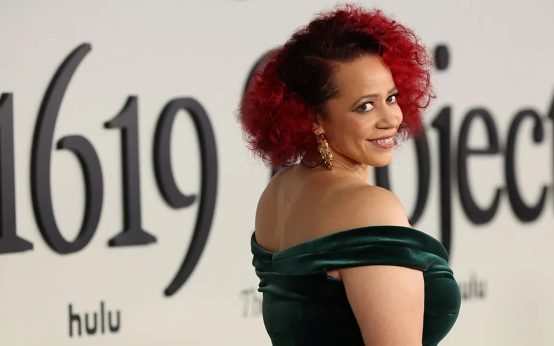 Nikole Hannah-Jones Reflects on Educational Choices for Her Daughter
  The Rising Trend of GLP-1 Medications Among College Students
  Seton Hall National Security Graduate Fellowship Provides Hands-On Experience
 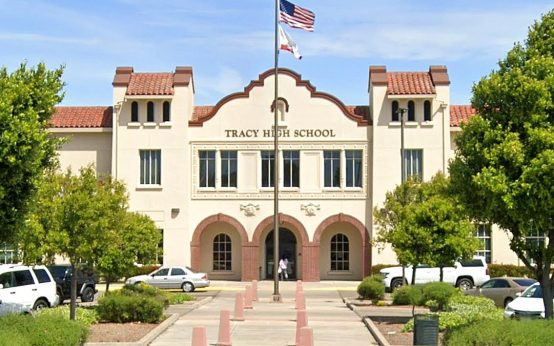 California High School Coach Arrested Over Secret Recording in Locker Room