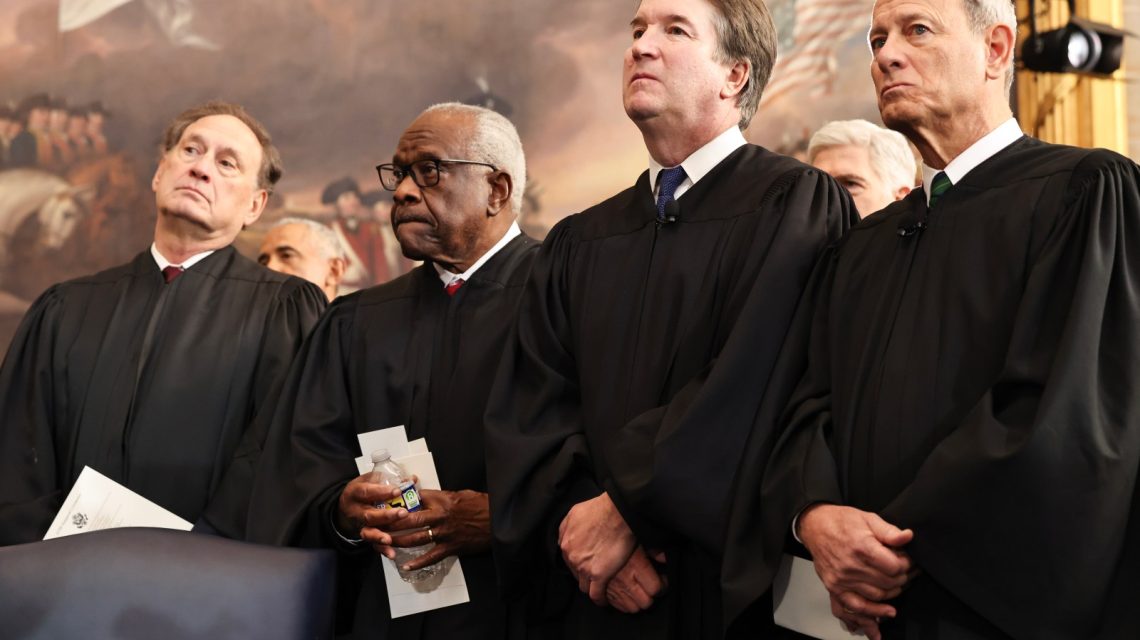
As public confidence in the Supreme Court remains low, Democratic lawmakers are intensifying their push to reform the highest judicial body in the U.S., even as the chances for successful change appear slim.
Democratic Proposals for Change
Despite long odds, Democrats have presented several initiatives, including a proposed constitutional amendment and legislation to replace lifetime appointments with 18-year terms. Advocates suggest this would update the court and boost trust, while opponents warn it might threaten the court’s independence.
These proposals face significant challenges. Republicans dominate Congress. Constitutional amendments prove hard to pass. Legal opinions differ on whether Congress can limit terms through simple legislation.
Support and Challenges
California Representative Ro Khanna has been a vocal supporter of reform. Citing a 2024 Fox News poll, he noted that 78% of voters support 18-year terms for justices. He advocates for his bill introduced last year, asserting it aligns with public desire.
Moves to restructure the court gained traction after it leaned further right, following three appointments by President Donald Trump. This shift delivered a 6-3 conservative majority, affecting rulings on abortion, gun rights, and federal authority. Ethics controversies have also emerged, intertwining decisions with election politics.
Public Opinion and Legislative Push
Democratic reform efforts face substantial hurdles, but public polling shows bipartisan backing for term limits. Bills and a constitutional amendment proposal have garnered more sponsors recently.
Utah Senator Mike Lee criticizes the reforms, viewing them as power grabs endangering judicial independence. Chief Justice John Roberts defended life tenure as crucial to protecting judges from political influences.
Democratic Representative John Olszewski introduced a resolution for term limits in May. His communications director cited strong public support, hoping for swift action from House leadership.
What Term Limit Proposals Entail
Representative Hank Johnson reintroduced a bill for 18-year active terms. Under his plan, justices would transition into senior status, ready to step in if the active number drops below nine. This proposal has significant support among Democrats, with new cosponsors joining steadily since April.
Johnson’s and Khanna’s bills have key differences. Johnson’s affects current justices, while Khanna’s exempts them, maintaining regular two-year appointment intervals.
Supreme Court’s Reputation and Public Perception
The court’s conservative tilt post-Trump appointments has polarized opinion. Critics say this partisanship undermines its credibility. Supporters argue rulings follow constitutional law faithfully.
Major decisions on abortion rights, presidential immunity, and gun rights amplify the court’s political significance. Despite ideological divides, many rulings show consensus among justices, a fact often highlighted by court supporters.
Ethics issues, such as undisclosed gifts and luxury trips, have tarnished the court’s image. The Supreme Court’s 2023 code of conduct aimed to address this, though public skepticism remains.
Polls Reflecting Public Sentiment
Polling data shows a significant portion of Americans believe the court upholds Trump’s positions. Only 22% expressed strong confidence in the Supreme Court, according to an NBC survey. A 2024 Fox News poll found 78% back 18-year term limits, with growing concern that the court is skewed too conservatively.
- 78% support term limits (Fox News, 2024)
- 61% view the court as favoring Trump’s positions (Marquette, 2026)
- 22% have strong confidence in the court (NBC, 2026)
A Marquette poll indicated bipartisan support for term limits, with significant backing from Democrats, Republicans, and independents.
Future Considerations
The Democratic push for reforms is challenged by a lack of Republican support. Senator John Cornyn criticized Democrats’ strategies, suggesting they aim to change the court instead of accepting rulings.
With a Republican-controlled Congress, reform efforts face stiff opposition. Should Democrats regain control, challenges remain, such as potential presidential vetoes and constitutional barriers.
Despite these hurdles, growing Democratic co-sponsorship hints at a more pronounced judiciary agenda. While legislative success seems distant, the debate persists, underscored by public support transcending party lines.
 Historical Discrepancies and Diplomatic Sensitivities in U.S.-China Relations
  Zohran Mamdani’s Vision for Affordable Child Care in New York City
  Senator Ted Cruz Leads Effort to Reform College Athletics Regulation
  California Governor Signs Bills Challenging Federal Immigration Policies
 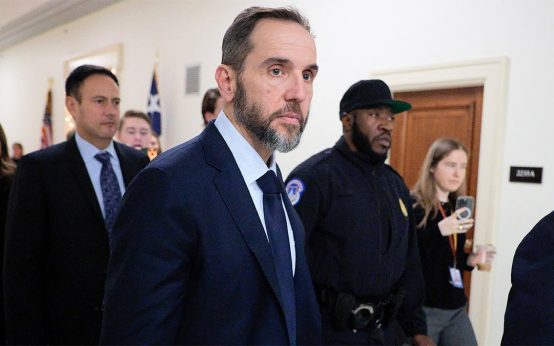 Jim Jordan Claims Jack Smith Misled Congress
  Why 1913 Marked a Turning Point for American Governance