Iran’s currency, the rial, plunged to a record low on Monday as the United States prepared to introduce new sanctions. These measures are intended to further pressure an economy already struggling due to existing sanctions and a U.S. naval blockade. At the start of trading, the rial fell to 2.02 million per U.S. dollar. The official Central Bank rate was approximately 1.5 million, yet most Iranians rely on the market rate.
Iran has been contending with economic challenges such as double-digit inflation and negative growth, all of which have worsened as a result of nearly six months of conflict beginning with the U.S. and Israel’s attack on February 28. The cost of daily essentials is increasingly burdensome for Iranians; the price of rice has climbed about 60%, while beef prices have surged by over 150%. The International Monetary Fund predicts Iran’s GDP will shrink by over 5%.
Despite the economic strain, political repercussions remain minimal. Iran continues to hold strategic leverage with its threats against ships in the Strait of Hormuz, a critical waterway where a significant portion of the world’s oil trade passes. This has led to a standoff severely affecting global trade and placing pressure on U.S. President Donald Trump ahead of congressional elections. Control over the strait, previously a channel for one-fifth of the world’s traded oil, is now contested by Iran’s demands to impose charges on ships passing through.
In response to the situation, Iran and Oman are close to finalizing an agreement to jointly manage the strait. Oman’s foreign minister is scheduled to visit Iran to advance these discussions. Alongside diplomatic efforts, President Trump’s administration is set to announce enhanced sanctions, including secondary sanctions targeting nations that continue business interactions with Iran.
“President Trump decimated Iran’s economy to a point where the rial has never been weaker and inflation has rarely been higher,” U.S. Treasury Secretary Scott Bessent emphasized in a Financial Times opinion piece. “The regime’s final refuge now lies in the self-deception of fearful nations that still believe accommodating aggression can secure a durable peace.”
Recently, the United Arab Emirates declared a halt to all trade with Iran. Historically, the UAE has been one of Iran’s largest trade partners and a primary source of imports. Iranian Foreign Ministry spokesman Esmail Baghaei shared with reporters that any further escalation would result in inevitable consequences, stating, “Our hands are not tied.”
Meanwhile, Pakistan, instrumental in brokering a ceasefire in June, has dispatched a senior delegation to Iran to discuss ways to end the conflict. However, skepticism about a peaceful resolution remains. In Tehran, a 73-year-old resident, Sadegh Mahmoudi, expressed his lack of optimism by lining up to purchase U.S. dollars with his savings, worried about further currency depreciation. “There is no hope for a deal and peace,” he remarked.
Additional reporting by Munir Ahmed in Islamabad and contributions from Dubai-based correspondent Rising.
 The Cost of Challenging Beijing
 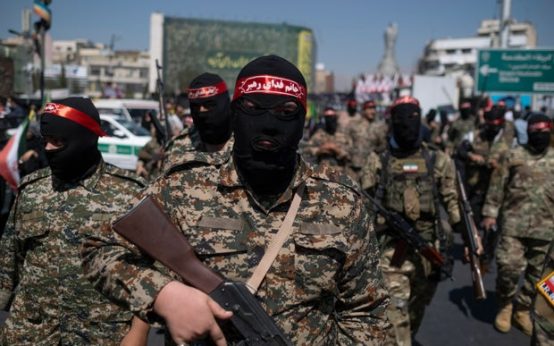 Tensions Escalate in Iran Conflict as Global Leaders Weigh Options
 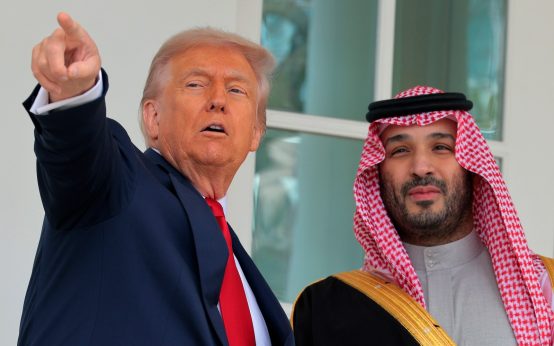 White House Approves F-35 Sales to Saudi Arabia Amidst Regional Tensions
  Inside the Secret Deals Powering the President’s Push to Deport Migrants to Countries Not Their Own
  Navigating the Challenges of Third-Country Deportations
  Midair Altercation on Bangladesh to London Flight