
Democracy Dies in Darkness. One individual’s experience of spending 18 months trapped due to third-country deportations under Trump’s policies.
Arsalan Saleh Fard, 25: Pictured here in his temporary refuge at a shelter, Saleh Fard fled Iran seeking asylum in the United States. Unfortunately, he faced deportation to Panama. (Luis Antonio Rojas/For The Washington Post)
17 min read
Panama City: Two years ago, Arsalan Saleh Fard was unfamiliar with this bustling city in Latin America. If prompted to locate it on a map, he would have struggled. Today, Saleh Fard, originally from Iran, finds himself on a mattress laid out on the floor, confronting a life marked by uncertainty.
The situation stems from U.S. policies targeting asylum seekers for deportation to third countries. These measures have left individuals like Saleh Fard in extended states of limbo, uncertain of what the future holds. It highlights the profound effects of geopolitical decisions on personal lives.
In Panama, Saleh Fard’s challenges are manifold. From seeking basic necessities to navigating bureaucratic hurdles, his daily life is fraught with challenges. His story exemplifies broader issues faced by many asylum seekers caught in the crossfire of international policy.
Efforts to get proper documentation remain complex, with legal processes often becoming extended due to varying international laws and cooperation. Support structures are vital, yet frequently inadequate, highlighting the need for enhanced humanitarian response.
Saleh Fard’s story is a testament to resilience in the face of adversity amid the complexities of global asylum policy. As the world seeks solutions to refugee crises, individual tales such as his underscore the urgent need for change.
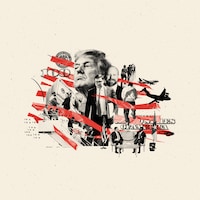 Inside the Secret Deals Powering the President’s Push to Deport Migrants to Countries Not Their Own
  Midair Altercation on Bangladesh to London Flight
 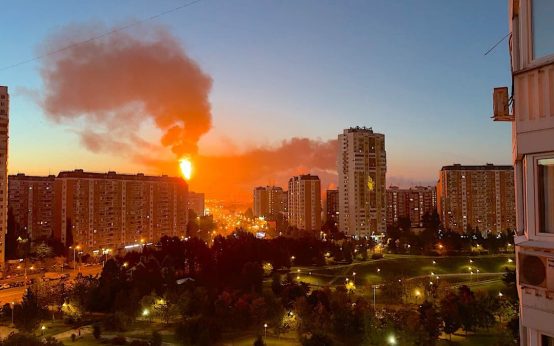 Ukraine Missile and Drone Barrage Hits Russia Amidst Elections
  U.S. Strategic Goals Remain Unmet Amid Prolonged Conflict
  New Photos Reveal Damage from Iranian Strikes in the Middle East
  Assassin of Chilean Diplomat Orlando Letelier Faces Deportation 50 Years After Assassination