
Governor Tim Walz of Minnesota announced that the state will halt the review and processing of permits for proposed mining projects near the Boundary Waters Canoe Area Wilderness. This decision follows four months after Congress and President Trump’s administration lifted a federal mining ban.
The Boundary Waters, located in the Superior National Forest along Minnesota’s border with Canada, is a beloved area. It stretches about 150 miles and draws thousands of visitors annually, including canoeists, kayakers, and campers.
“It’s our duty as Minnesotans to ensure the sacred place remains wild, pristine and unharmed,” said Walz, a Democrat.
However, Walz’s executive order will expire by next April, as state law dictates it will lapse 90 days after his term ends. The decision on whether to continue this policy will fall to the next governor.
Currently, there is no shovel-ready mining project, although Twin Metals Minnesota LLC, linked to Chile’s Antofagasta Minerals, has pursued mining for copper, nickel, and other metals since 2019. The company claims its plan avoids storing waste rock above ground, reducing potential acid pollution. Still, concerns remain that mining could pollute areas downstream, including the canoe wilderness.
In April, Trump confirmed a resolution from Congress lifting a federal moratorium planned for 2023, saying it would foster job creation and the mining sector’s growth.
Walz’s order states Minnesota regulators will not be involved as a cooperating agency in any federal reviews of nonferrous mining in the Rainy River Headwaters Watershed, which connects to the Boundary Waters. The state will also refrain from conducting environmental reviews or permitting work amid ongoing litigation over state mining regulations. Walz directed the Department of Natural Resources to draft legislation to ban nonferrous mining in the Rainy River watershed.
Republican U.S. Rep. Pete Stauber, representing the Boundary Waters area, criticized Walz for undermining Northern Minnesota’s way of life. Conversely, Becky Rom, chairperson of Save the Boundary Waters, commended the governor.
“The science is clear: copper mining and the Boundary Waters cannot safely coexist. This action helps safeguard the clean water, world-class wilderness, and outdoor economy that generations of Minnesotans cherish,” Rom stated.
Sen. Amy Klobuchar, the Democratic nominee for governor, offered no immediate comment. However, Republican nominee Lisa Demuth expressed belief that mining can be conducted safely.
“There are critical minerals that everyone depends on daily,” Demuth, the state House speaker, told the Rochester Post Bulletin. “And they’re going to come from someplace.”
James Coleman, a University of Minnesota law professor, noted that Walz’s order introduces uncertainty for projects.
“If you need federal approval, you probably need state approval,” Coleman said. “These projects take many years to complete. Partisan politics may flip at the state or federal level, and it can be hard to get a project to the finish line.”
 Tickborne Alpha-gal Syndrome Impacting Martha’s Vineyard
 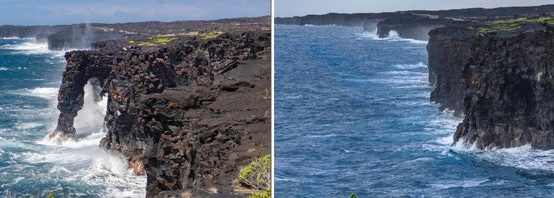 Collapse of Holei Sea Arch on Hawaii’s Big Island
  Contentious Tax Incentives Spark Debate Over Iowa Steel Plant
  Evaluating the Choice of Electric Vehicles Amid Rising Fuel Costs
  New article title
  Drought Pushes Bears Closer to Human Habitats