
During a meeting of the Southern Maine Democratic Socialists of America, a patron placed a bill in a donation bucket marked with a red rose. This scene from Portland, Maine, on July 16, 2018, illustrates a growing conversation in the United States surrounding the Democratic Socialists of America (DSA). Some critics label the DSA as a challenge to the country’s political system, suggesting a ‘Dysfunctional Selective Amnesia’ in forgetting historical lessons. Despite these views, the conditions leading to its rise remain unresolved, rooted in dissatisfaction with both major political parties.
The emergence of DSA can be linked to the dissatisfaction that also spurred the ‘Make America Great Again’ movement and the rise of Donald J. Trump. While Trump brought significant change as a central figure, DSA lacks a comparable leader. Critics argue that if the socialists’ ideologies were implemented, they would undermine the U.S. Constitution’s system of checks and balances, designed for governance. Disillusionment with the legislative branch due to perceived inaction, and controversial judicial decisions, highlights a shift towards executive power centered in the White House.
Socialists propose a form of democracy with direct elections, bypassing the Electoral College. Although critics point to flaws in every political system, they emphasize the inability of current structures to effectively represent average Americans, often perceiving them as favoring the wealthy and influential. Proposed policies, such as defunding the police or eliminating immigration enforcement, are deemed extreme, yet the freedom to discuss such ideas remains protected under the First Amendment.
The debate involves whether mainstream politics can resist radical extremes on both sides. Republicans argue that the DSA provides ammunition to label Democrats as communists, suggesting a state-controlled agenda. Historical examples of socialism and communism are scrutinized for their effectiveness.
Despite these political tensions, the U.S. tradition of free speech supports discourse, though it does not necessitate agreement or acceptance. Surveys suggest a lack of understanding of communism among Americans, complicating the public’s engagement with such topics.
The MAGA movement, like other movements before it, might dissipate, yet the core issue of government dysfunction persists. A call for moderate voters to demand sensible governance echoes as a potential pathway to stability.
Harlan Ullman, a senior adviser at Washington’s Atlantic Council, discusses these themes in his upcoming book, co-authored with Field Marshal The Lord David Richards. Their work advocates for strategic thinking to avert global chaos.
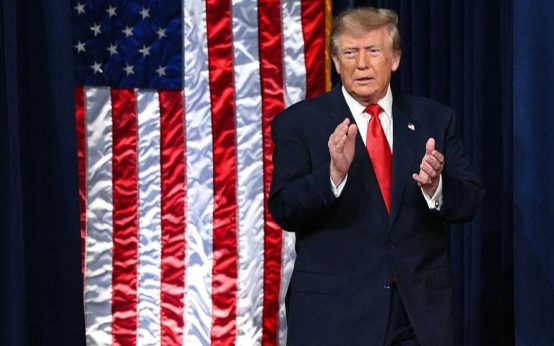 Challenges for GOP as Working-Class Voters Show Signs of Shifting
 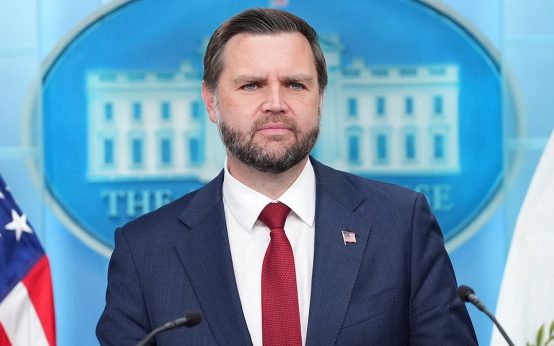 Vance Chooses Focus on U.S. Midterms Over Israeli Elections
 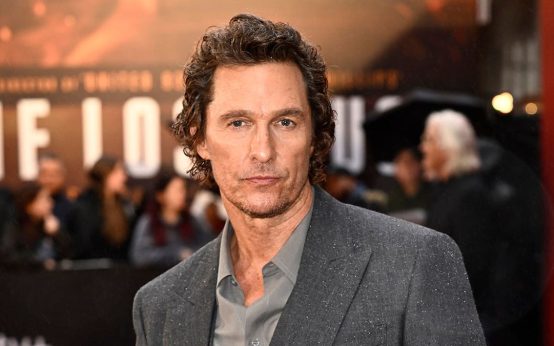 Matthew McConaughey Sparks Debate on Independent Voting
 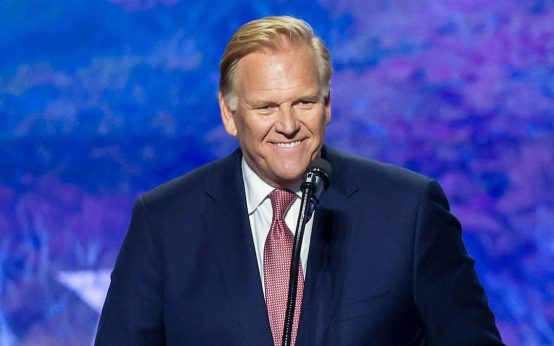 Mike Rogers Criticizes Abdul El-Sayed at Michigan Town Hall
  Actor Jordan Walker Ross Endorses Texas Senate Candidate James Talarico
  President’s Remarks at Park City Rally