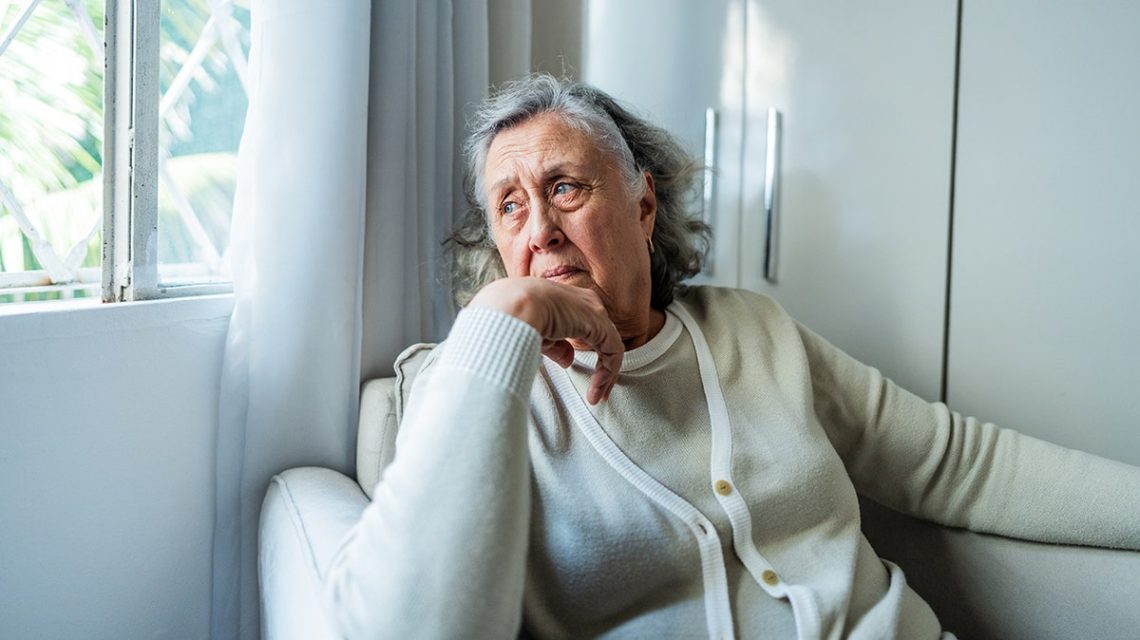
A recent study involving over 135,000 adults highlighted a substantial number of people frequently experiencing loneliness, especially in urban areas. The research, conducted by professors at Imperial College London, involved 135,725 participants, aged 16 and above, who completed an online survey over five months in 2023.
According to the study, nearly one in six adults often felt lonely. Additionally, more than one in five reported a frequent lack of companionship or feelings of isolation. These findings were reported by the news agency SWNS.
“The key message is not simply that many people feel lonely, but that loneliness is greatly influenced by people’s surroundings, social network, and environment.” – Austen El-Osta, Ph.D., Public Health Researcher
Interestingly, the study found that urban areas, such as London, Birmingham, and Manchester, harbored some of the loneliest individuals. This finding aligns with the ‘urban paradox’ theory, suggesting that despite the economic and cultural advantages of cities, residents often report lower life satisfaction compared to those in rural locales.
Dr. Azeem Majeed from the National Health Service shared insights on how loneliness impacts mental and physical health, contributing to conditions like anxiety and depression, and increasing the frequency of GP visits.
The study also examined the effects of the COVID-19 pandemic, revealing that nearly 44% of respondents experienced heightened loneliness during the pandemic. Further, 48.2% reported an increase in isolation feelings. Relationship status appeared to have minimal impact on loneliness levels, with 45% of participants being married or in a civil partnership and almost 20% single.
“Loneliness is often treated as a private experience, but our findings reinforce that it is also a public health and community issue.” – Austen El-Osta
It was emphasized that strengthening community ties and enhancing social networks could mitigate loneliness. The study urged public health initiatives to consider environmental factors and communal assets to bolster individual support.
The research team acknowledged the study’s limitations, noting an overrepresentation of highly educated individuals and underrepresentation of minority ethnic groups. Moreover, self-selection bias might have influenced participation, with more affected individuals likely taking part.
Aside from this study, a separate research initiative explored the impact of loneliness on older adults’ memory, suggesting possible inclusion of loneliness screening in cognitive assessments to promote healthy aging.
 Concerns and Legal Actions Arise Over GLP-1 Drugs and Vision Loss
  Partner’s GLP-1 Use Spurs Financial and Dietary Concerns
  Starbucks Faces Lawsuit Over ‘Sugar-Free’ Protein Drinks
  Rising Antibiotic Resistance in Shigella Infections
  Parent’s Journey Through Their Child’s Congenital Cataract Diagnosis
  Vicky Titcomb’s Cancer Journey and Treatment Advances