White Mesa Mill’s Radioactive Waste Concerns
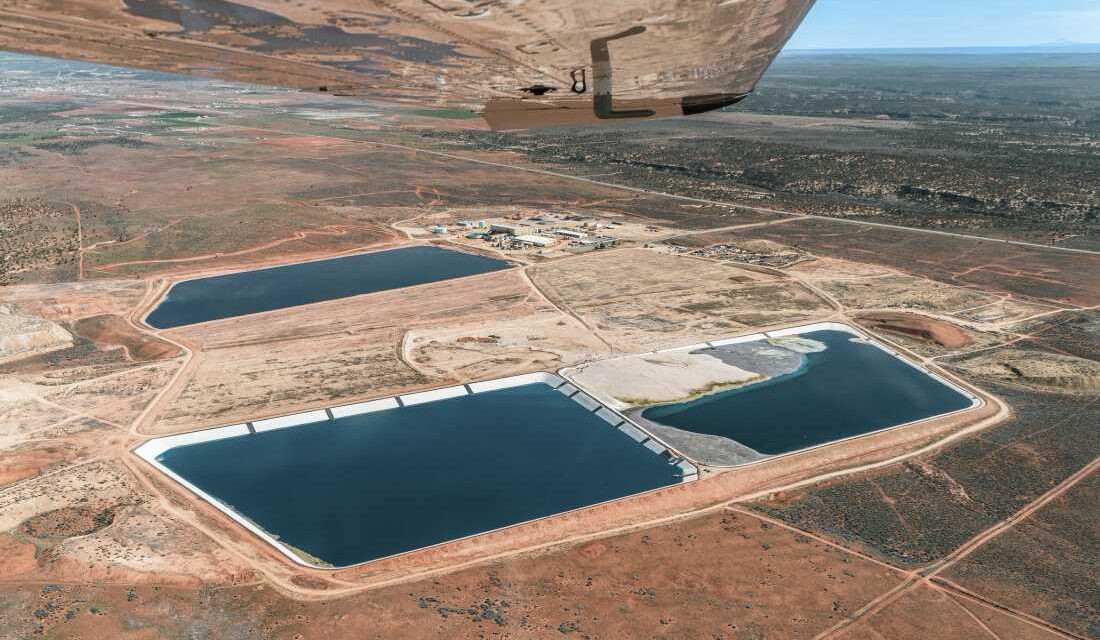
The White Mesa Mill near Blanding, Utah stores radioactive waste in five tailings cells spanning 284 acres. This site has sparked ongoing debates regarding the safety of nearby communities, particularly the Ute Mountain Ute tribe.
The mill raises concerns over potential radioactive contamination impacting air and water quality.
Local Tribes’ Concerns
Malcolm Lehi, a member of the Ute Mountain Ute tribe, explored land nearby that holds historical significance for his tribe. His community, located just five miles south of the mill, is apprehensive about uranium contamination possibly infiltrating their water supply. Though state regulators and the mill’s owners assert the pollution is contained, the tribe remains wary.
The renewed focus on domestic uranium production, driven by federal legislation banning imports of Russian uranium by 2028, amplifies these concerns. A rapid review process for mining projects, such as the Velvet-Wood mine in Utah, leaves little room for tribal input, much to their dismay.
Implications of Increased Uranium Production
President Trump’s administration aims to substantially increase U.S. nuclear capacity, which results in boosted uranium mining activities throughout the region. However, achieving this goal entails constructing more reactors, which often faces opposition due to the complexities involved.
Data centers and growing electricity needs elevate nuclear power as an appealing low-carbon energy option, prompting more states to explore its potential.
Local Tensions at White Mesa Mill
Built in 1980, White Mesa Mill has become central to the expanding uranium industry. Increased demands bring frequent shipments from regional mines, including one near the Grand Canyon. Meanwhile, the mill’s plans to expand its waste storage have drawn local tribal opposition.
Lehi, along with Havasupai and Navajo (Diné) tribes, is part of the opposition worried that contamination could affect drinking water moving underground. Elevated radionuclides levels have been detected at Entrance Spring, located close to the mill.
Legacy of Uranium Mining
Historical uranium booms burdened tribal communities, particularly miners who faced heightened health risks without adequate warnings about radiation. The legacy includes numerous abandoned waste sites leaching contaminants into the environment.
Energy Fuels officials claim significant advancements in worker safety, exposing laborers to much lower radiation levels now. Government agencies find no evidence the mill affects local drinking water derived from a deep aquifer secured by geological barriers.
Community Distrust and Advocacy
Among the Ute Mountain Ute community, distrust persists despite regulatory assurances. Yolanda Badback, a local advocate, highlights skepticism rooted in historical uranium impacts. Her family strives to shut down the mill due to its perceived threats.
Concerns center on the mill’s tailings cells expanding closer to tribal lands. Badback pledges to oppose these expansions while advocating for air quality monitoring and raising awareness about potential health repercussions.
Monitoring and Environmental Assessments
Federal assessments examine radiation levels within the tribe’s community, advising closer monitoring during heightened mill activity. Although some White Mesa residents report odors tied to mill operations, state officials do not regulate these emissions.
Water Quality Concerns
Continued tests reveal potentially elevated uranium levels at Entrance Spring. The tribe closely monitors local aquifers, wary of contaminants originating from the mill. Tribal environmental programs focus on long-term preservation of water sources for future generations.
The burden of past uranium mining remains. Despite modern safety protocols, radioactive waste persists for extensive periods. Tribal advocates urge for vigilant oversight and safeguarding vital natural resources.
 Federal Shooting Sparks Controversy in New York
  Escalating Conflicts and Diplomatic Efforts in the Middle East
  Hurricane Isaias Threatens Gulf Coast
  Building a Network for Conservative College Students
  World’s Largest Wildlife Crossing Nears Completion Amid Weather Concerns
  Students in Illinois Protest to Address Sexual Violence on Campuses