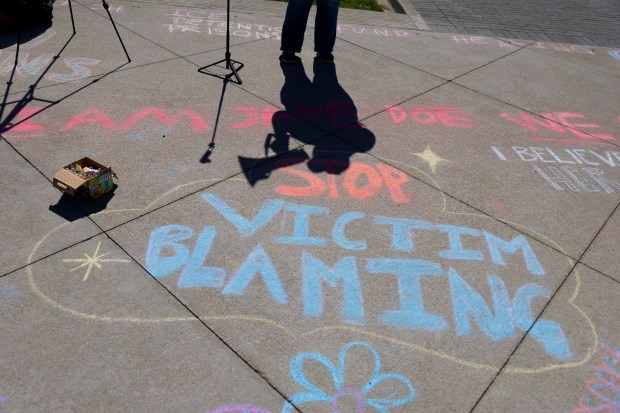
The quad at the University of Illinois Chicago buzzed with activity as around thirty students gathered with protest signs and distributed flyers condemning sexual violence. A temporary chalk mural covered the sidewalk near the Lecture Center Building B, displaying messages such as “We are Jane Doe” and “Stop Victim Blaming.”
UIC is among several campuses in Chicago and across Illinois seeing student protests after a 2024 sexual violence case at Cornell University resurfaced last month. A woman known as “Jane Doe” filed a civil case when a prosecutor declined to charge seven men she accused of raping her while intoxicated at a fraternity party at Cornell’s Ithaca, New York campus. The criminal investigation has since reopened with a special prosecutor involved, putting a spotlight on Cornell’s handling of the situation and drawing national attention. This has prompted schools nationwide to improve advocacy and resources to support students and sexual assault victims.
In Illinois, students have used this moment to increase awareness and speak out about sexual assault and authority responses. The “National Day of Action” led to Lincoln Park High School students walking out at midday in solidarity with “Stop Sexual Violence” protests at UIC and Southern Illinois University Edwardsville.
Between chants, speakers on the UIC quad talked about the need for accountability and demanded justice in the Cornell case. Nova Mohiuddin, from the UIC chapter of Chicago Socialist Alternative, emphasized challenging sexism, noting, “It’s time to speak out.”
Emily Via, a member of the Grad Employee Organization, spoke during a rally at UIC on October 8, 2026, as part of the “National Day of Action.” Male students, though fewer, participated in the protests. Jacob Belencion, a mechanical engineering student at UIC, urged more men to engage and challenge misogynistic behavior.
Nearly 300 miles away, Southern Illinois University Edwardsville students also stood against sexual violence. Inspired by the National Day of Action, Isabel Montano, a junior, channeled her feelings into creating positive change. She believes each voice, even if alone, helps initiate change.
The protests reached high schools, as hundreds at Lincoln Park High School joined in. Students there chanted slogans like “No means no, sexual violence has got to go,” reflecting their commitment. Walkout planner Isabella Scaffai, an LPHS junior, highlighted the desire for independence and safety among students, emphasizing action to prevent abuse.
LPHS senior Chloe Woodall helped spread awareness via social media and posters, noting the importance of teaching students about consent. “I hope this clarified what consent means,” she said.
Universities like Northwestern and UIC offer support through centers for student advocacy. Sarah Layden of Resilience advises survivors to utilize resources like the Chicago Rape Crisis Hotline. She stresses that while speaking out can be healing, it’s okay for those not yet ready to share their experiences, acknowledging the varied responses to trauma.
 USS Abraham Lincoln Returns to San Diego After Historic Deployment
 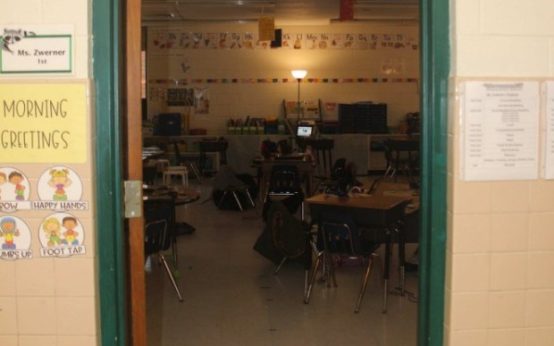 Details Emerge from Shooting at Richneck Elementary School
 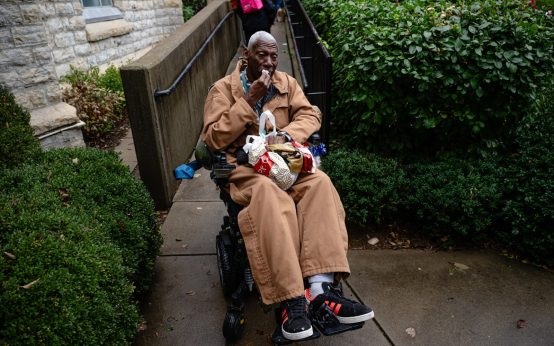 Upcoming Increases in Veterans’ Federal Benefits
  Controversial Incidents Resurface in Colorado Governor Race
 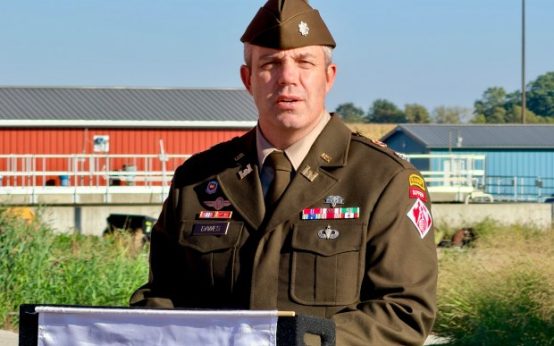 Completion of Hebron’s Water Main Project
  Congress Investigates Abuse Allegations in Youth Sports Organization