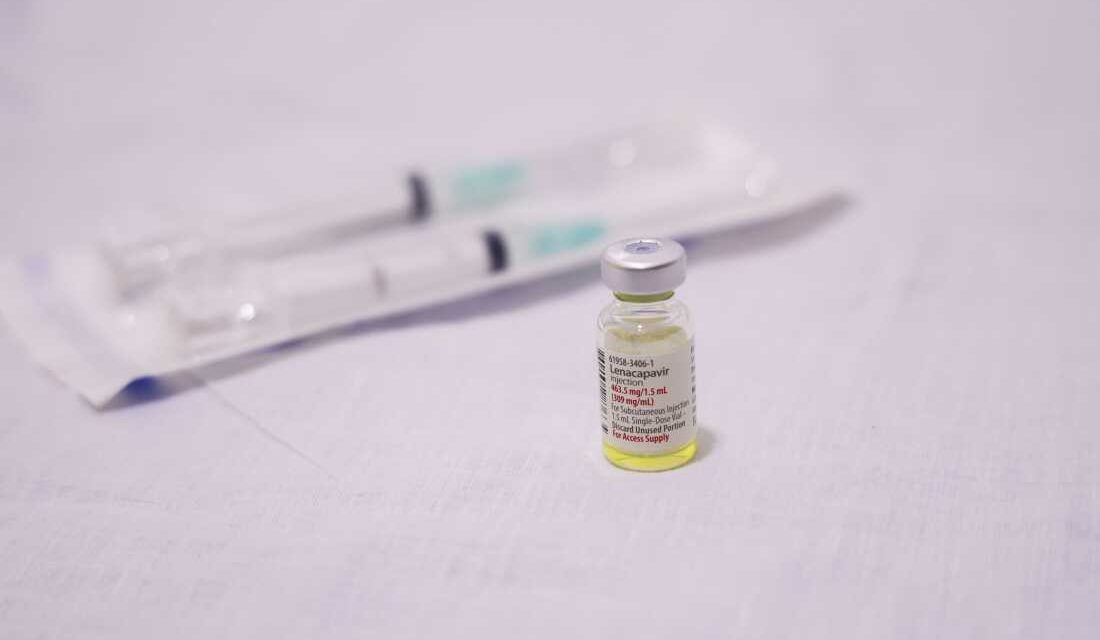
In Uganda, a new HIV-prevention medication called lenacapavir offers six months of protection with a single injection. This innovation has given hope to individuals like Irene, a 22-year-old participant in a significant HIV clinical trial. Motivated by the challenges faced by her uncle living with HIV, Irene sees the medication as a profound change in her life.
Lenacapavir, distinct from other pre-exposure prophylaxis (PrEP) methods, addresses two significant obstacles in HIV prevention: adherence and efficacy. Given biannually, it eliminates the need for daily medication. Clinical trials, PURPOSE 1 and 2, demonstrated its remarkable effectiveness. In PURPOSE 1, involving nearly 4,200 women, no participants contracted HIV after receiving the drug. Adherence rates were over 96%.
Dr. Flavia Matovu Kiweewa from the Makerere University-Johns Hopkins University Research Collaboration led these trials in Uganda. Her team, ensuring continuous participation, includes diverse professionals like a makeup artist and hair stylist.
Although lenacapavir benefits both men and women, adherence was slightly lower in the PURPOSE 2 trial, which included men and gender-diverse individuals. Dr. Kiweewa emphasizes lenacapavir’s unique approach, targeting multiple stages of the HIV lifecycle. This is crucial, given the challenges some individuals face in taking daily medication.
“Lenacapavir is like security guards placed throughout a house, ready to catch an intruder at various points,” Dr. Kiweewa explains.
Challenges in Distribution and Pricing
Despite its potential, lenacapavir’s rollout is slow. Access is limited, a familiar issue from the introduction of oral PrEP. Uganda received its first shipment of lenacapavir in February. However, distribution issues persist, with critical areas like Kalangala initially excluded from plans.
Nurse Amiri Kabuye notes challenges in Kasensero’s health clinic, receiving only enough doses to cover 60 patients. With limited staffing due to budget constraints, extensive distribution hurdles remain.
Pricing is another significant concern. Lenacapavir’s current list price is about $28,000 for two doses, far more than the $45 annual cost of daily oral PrEP. However, partnerships with manufacturers might bring generic versions by 2027, potentially reducing costs.
Despite the critiques, lenacapavir introduction marks progress in HIV prevention. Gilead, the drug provider, plans expansions to 24 countries by 2026. Unitaid, a UN agency, has partnered with an Indian company to produce generic versions at $40 per patient.
“Gilead is committed to expanding access to twice-yearly lenacapavir,” the company states.
Future Prospects and Challenges
While lenacapavir offers new hope, Uganda faces broader challenges. Budget cuts from U.S. aid have strained existing HIV treatment programs, diminishing the workforce needed for comprehensive HIV care.
Kintu, responsible for HIV programs in Kyotera district, highlights staff losses and significant barriers to effectively distribute lenacapavir. Despite these challenges, ambitions remain to provide lenacapavir to more Ugandans. The State Department has pledged doses in the coming years, though this falls short of the estimated 20 million who could benefit.
Meanwhile, oral PrEP remains the primary HIV prevention method, though access issues persist. Forecasts suggest declines in new oral PrEP initiations due to funding reductions.
Some districts still rely on innovative local solutions to deliver oral PrEP, showcasing ongoing dedication to HIV prevention even in remote areas.
Irene, expecting her first child soon, voices concern about future risks of HIV without adequate support and access.
This story, supported by the Pulitzer Center, illustrates the complexities of implementing new preventive measures in the ongoing fight against HIV.
 Ensuring Lasting Smiles Act: A Necessary Step for Healthcare Reform
  Americans’ Confidence in Federal Food Safety Drops to Record Low
  Flu Season Hits Early: Importance of Timely Vaccination
  Exploring the Potential of GLP-1 Drugs Beyond Weight Loss
  Veterans to Receive 3.6 Percent Increase in Disability Compensation in 2027
  FDA Issues Class I Recall for Dozens of Salad Products Due to Listeria Risk