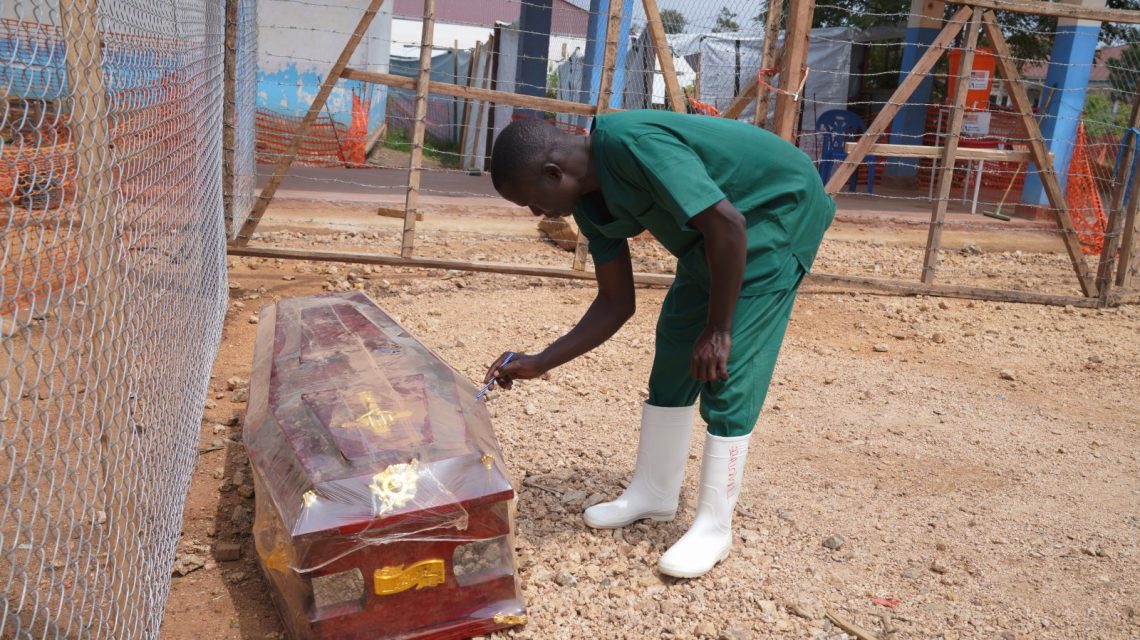
Ebola Outbreak Escalates in Congo
An Ebola outbreak in the Democratic Republic of Congo has claimed over 2,000 lives, marking the second-largest known occurrence of the virus according to international health organizations. The Bundibugyo strain of Ebola initiated the outbreak, spreading across various provinces in Congo and extending into Uganda, sparking a significant international response.
The rapid escalation has caused concern among health officials. The U.S. Centers for Disease Control and Prevention (CDC) noted that within 40 days of initiating response efforts, the epidemic reached 1,000 confirmed cases. This is much faster compared to the 2018 Ebola outbreak in Congo, which reached that threshold in 235 days.
Humanitarian and Geographical Challenges
The outbreak is progressing in a region beset by humanitarian issues, population displacement, and substantial cross-border movement. These elements complicate the containment of the virus. The World Health Organization (WHO) acknowledged the complex context of the outbreak and is augmenting surveillance, contact tracing, and preparedness activities in both Congo and Uganda.
Personnel such as aid workers, missionaries, and medical professionals in affected zones face increased risks due to potential interactions with infected patients, their relatives, or contaminated surroundings. The CDC reported that a U.S. national working with an aid group in Congo contracted the Bundibugyo strain and was evacuated to Germany for treatment.
Challenges in Treating Bundibugyo Strain
Health authorities are especially concerned as the Bundibugyo species of Ebola lacks a licensed vaccine or particular treatment. While supportive medical care can enhance patient recovery, the absence of specific countermeasures heightens the importance of containment.
The CDC described this outbreak as spreading faster than previous ones, with fatalities rising rapidly over the summer months.
Latest Statistics and Impacted Areas
As of August 10, Congo reported 4,449 confirmed Ebola cases and 2,061 deaths according to the European Centre for Disease Prevention and Control (ECDC).
It stated that 716 individuals were isolated in hospitals and 53 health zones across five provinces were impacted. The outbreak majorly affected Ituri, North Kivu, South Kivu, Haut-Uele, and Tshopo provinces. Uganda also registered cases linked to travel from Congo, but declared their outbreak ended on July 28 after no new infections were found.
This fatality count renders the outbreak one of the grave Ebola epidemics since the West African outbreak during 2014-2016. The CDC confirms it is now the second-largest Ebola outbreak documented.
Potential Spread to the United States
The CDC asserts no U.S.-linked cases from the current outbreak, thus keeping the risk to Americans low. It considers the probability of Ebola reaching the U.S. to be minimal.
Should an infected traveler be diagnosed in the U.S., the CDC maintains that the likelihood of widespread transmission would stay low thanks to the country’s public-health facilities, infection-control protocols, and efficient contact tracing.
Ebola’s transmission happens through direct contact with infected blood or bodily fluids, not via air like influenza or COVID-19. This trait makes outbreaks more manageable once health officials promptly identify cases and monitor contacts. Nonetheless, health agencies are closely monitoring developments, as several countries reported imported cases linked to travel from affected regions, necessitating medical evacuation and treatment in specialized facilities in Europe.
Efforts to Mitigate the Outbreak
The CDC has initiated response operations, collaborating with international partners focusing on surveillance, laboratory tests, infection prevention, and contact tracing. The U.S. government has pledged hundreds of millions in additional funding for the outbreak response and readiness initiatives in Central and East Africa.
Currently, health officials advise Americans to remain informed about the outbreak but not to panic. The CDC’s current evaluation still rates the risk to U.S. citizens and travelers as low, even as authorities work to prevent virus proliferation in Africa.
 Understanding Lung Cancer Screening
  Maintaining Lifelong Knee Health
  Beauty Professional Faces Cancer Diagnosis
 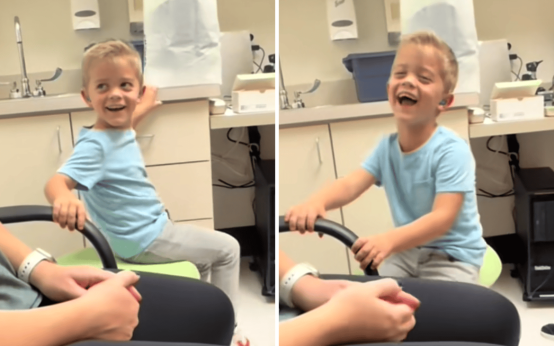 Boy with Hearing Loss Experiences Joyful Moment with Hearing Aids
  Examining the Changes in Title IX and Campus Sexual Assault Policies
  Gen Z Turns to Spiritual Practices in Modern Dating