President Donald Trump has expressed disapproval of Texas Governor Greg Abbott’s recent decision to halt approvals for new data centers. Trump labeled the move a mistake, highlighting the economic benefits data centers bring to communities.
In an interview with Punchbowl News, Trump mentioned concerns about Texas’s stance on data centers. He pointed out that if a community wants them, it signals incoming revenue and economic growth. Trump emphasized that data centers play a crucial economic role and suggested the industry could surpass oil in importance for Texas.
Data centers, vital for cloud computing and AI, demand significant electricity and water. These factors have sparked concerns about noise levels, grid pressure, and environmental impact in various communities across the U.S.
Governor Abbott’s Stance and Actions
Governor Abbott recently announced an audit to scrutinize proposed data centers’ utility impacts. The audit aims to evaluate their electricity and water usage, cooling systems, tax incentives, and effects on nearby communities. Abbott stressed that projects not meeting state standards would face grid connection denial.
Andrew Mahaleris, Abbott’s press secretary, emphasized the governor’s priority to safeguard Texas’s grid and water resources amid growing electricity demands. Mahaleris explained that while state law requires data centers to report utility usage, many fail to comply. Abbott’s pause mandates that data centers submit crucial information to regulatory bodies.
Data Center Demand and Infrastructure Challenges
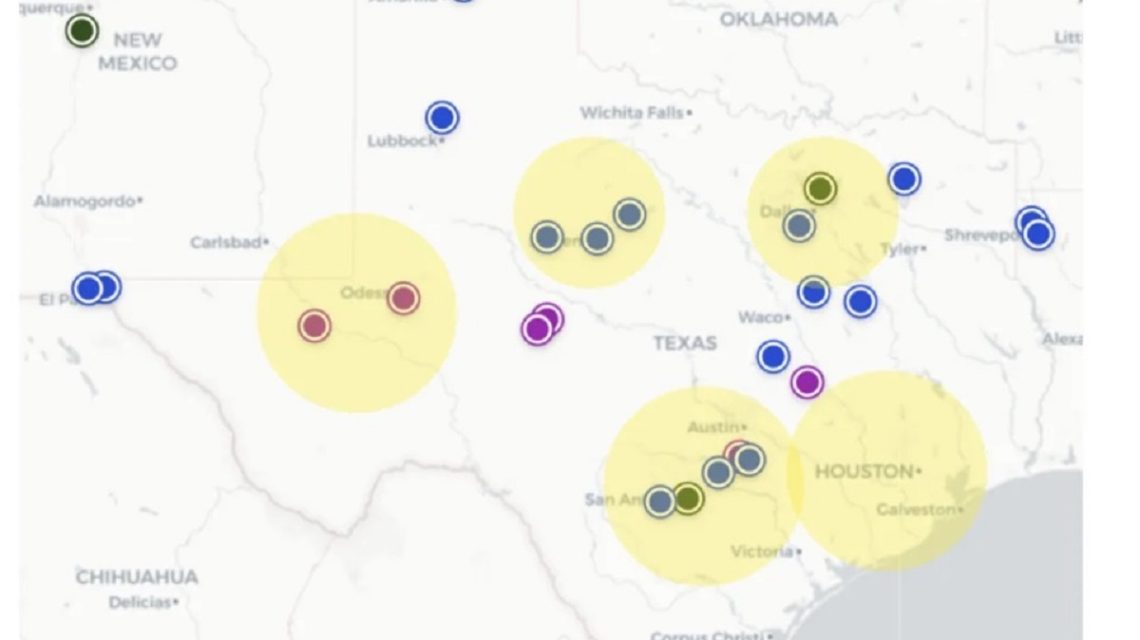
Texas is witnessing a surge in demand from large-scale data centers, tying into the state’s central role in AI development. ERCOT forecasts massive increases in electricity usage, driven largely by data centers. Current projections indicate a rise from approximately five gigawatts in 2026 to over 109 gigawatts by 2032, showcasing significant future power needs.
The Oncor service territory around Dallas-Fort Worth is a hotbed for such developments, supported by existing infrastructure. Notably, the $1.1 billion Fort Worth Data Center Project exemplifies the interest and scrutiny these ventures attract.
Despite Abbott’s actions, the pause on approvals does not constitute a full ban. Certain projects with independent power sources might bypass state grid connection requirements.
Public Sentiment and Potential Impacts
Trump argues against a perceived opposition to data centers, advocating for the economic benefits they provide. However, public sentiment remains wary. A July poll from Emerson College indicates that a majority of U.S. voters oppose data center projects near their communities, a sentiment that has grown significantly over time.
Research suggests data centers can influence local housing markets in diverse ways. While they spur economic activity and boost local property values, proximity to data centers may raise concerns about noise and industrial impacts, potentially affecting nearby home prices negatively.
The development of data centers continues nationwide, with thousands of projects in various phases of planning, as reported by both Pew Research Center and Berkeley Research Group.
 Wisconsin Mosque Leader Faces Deportation Over Security Concerns
  Wall Street Journal Reporter Evan Gershkovich Discusses Detention in Russia
  California Voter Guide and Political Landscape
  California Ends Child Marriage with New Legislation
  USCIS Adjusts Immigration Fees Amid Policy Changes
  Trump Administration Distributes Refund Payments to ACA Enrollees