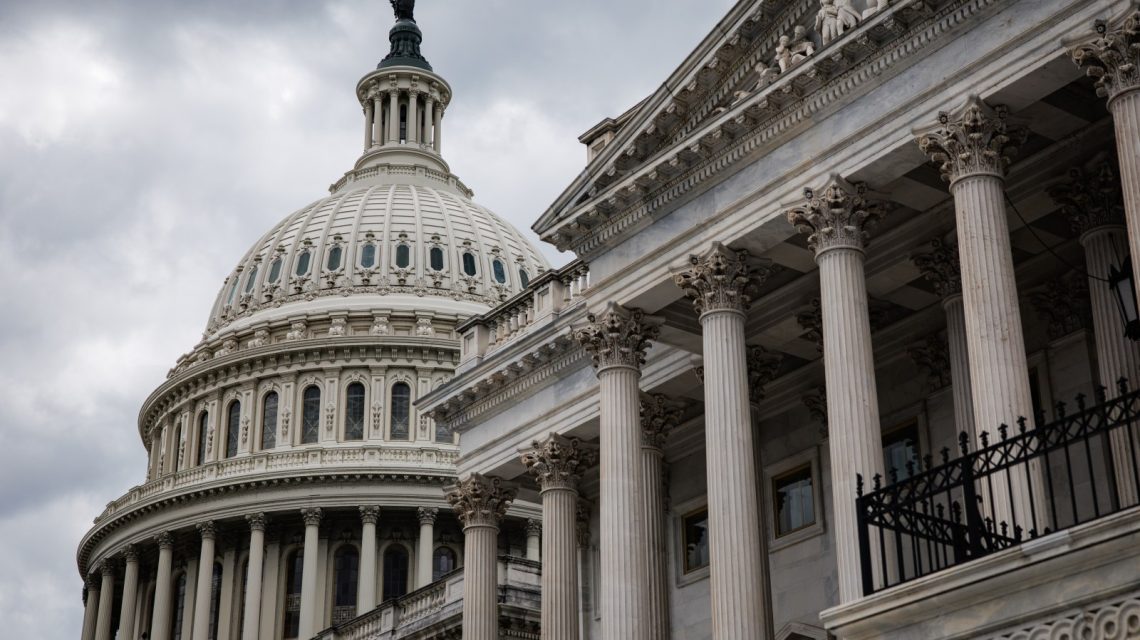
The Senate has passed a stopgap government funding bill, moving it to the House of Representatives. This measure temporarily halts two White House priorities and offers relief to hemp producers and groups relying on federal grants. Once enacted, it will block a proposal to expand political appointees’ authority over federal grants and delay restrictions on hemp-derived THC products.
Overview of the Funding Bill
The legislation keeps the government funded until December 11, shifting the next potential shutdown deadline past the November midterm elections. The Senate voted 90-6 in favor, and after the August recess, the House will address it. Already, the House has passed a distinct continuing resolution that funds the government through December 4.
The bill, a continuing resolution (CR), extends funding while full-year fiscal 2027 appropriations are being developed. The CR maintains current funding levels, providing Congress more time to finalize necessary appropriations bills.
The Impact on Federal Workers
Federal workers benefit significantly from this bill. Government shutdowns can furlough hundreds of thousands or require working without pay, causing financial instability for many. This bill ensures agencies operate normally, preventing such risks before the midterms. Last fall’s shutdown, the longest recorded, affected around 670,000 furloughed employees and 730,000 working without pay.
SNAP and WIC Recipients
The measure eliminates concerns for millions of low-income Americans who depend on federal nutrition programs like SNAP and WIC. Though some programs have different funding streams, shutdowns could bring about administrative challenges and uncertain future funding. The bill allows these programs to function seamlessly during further negotiations. SNAP supports about 40 million Americans monthly, while WIC aids roughly 6.9 million pregnant women, new mothers, infants, and children.
Hemp Industry Support
Hemp farmers and businesses involved in hemp-derived THC product manufacturing stand to gain from the bill. A planned crackdown on specific THC products is deferred until December, enabling businesses to temporarily continue their operations. Restrictions could significantly impact these producers and retailers. Hemp, known for its lower THC content, was legalized under the 2018 Farm Bill for products containing less than 0.3% delta-9 THC.
Christopher Lackner, CEO of the Hemp Beverage Alliance, noted the industry’s estimated value of $29 billion and its employment of thousands, which could be threatened without the delay.
Disaster Relief Funding
Communities recovering from disasters like hurricanes and wildfires may benefit from increased FEMA disaster relief funding until December 11. Additional funding enables the agency to keep responding to disasters while legislative discussions continue.
Challenges for the White House
This bill temporarily obstructs two White House-backed initiatives. Attempts to remove the THC-hemp delay were unsuccessful. Senator Ted Budd expressed disappointment, stating that the industry’s intoxicated products, often marketed towards children, should face restrictions.
Moreover, a proposal for increased political appointee authority over federal grants is stalled. Criticism from Democrats and Republican Senators highlighted fears of politicizing grant awards and hindering support for small communities. The administration defended the proposal’s aim to boost spending oversight.
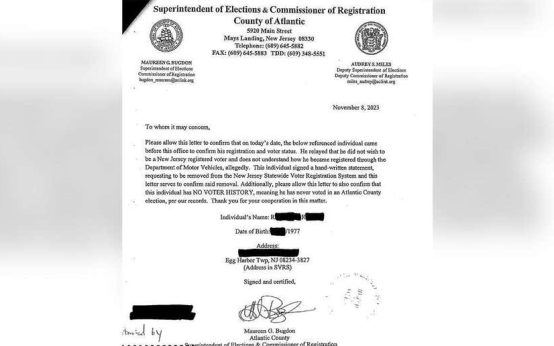 RNC Sues New Jersey Over Voter Roll Transparency
  Karoline Leavitt on Trump’s Tense Calls with Putin and Xi
  Randy Fine’s Bold Stance on Foreign Policy and Domestic Issues
  Political Strategies for the Upcoming Midterm Elections
  Trump Considers Diesel Export Ban Amid Rising Fuel Prices
  Texas Senate Race: Talarico Takes Lead in Youth Vote