
Dr. Abdul El-Sayed, known for his progressive stance, is leading narrowly against centrist Representative Haley Stevens in the Michigan Democratic Senate primary. The race is significant as it aims to fill the seat of retiring Senator Gary Peters, and the winner will face Republican nominee Mike Rogers. Both candidates represent different facets of the Democratic Party, with El-Sayed pushing for universal health care and Ms. Stevens seeking bipartisan solutions.
While Michigan has grabbed most attention, four other states—Kansas, Missouri, Virginia, and Washington—are also holding primary elections. In Missouri, Wesley Bell defeated Cori Bush, marking a clash between establishment and progressive wings within the Democratic Party. Bush had criticized Israel and was part of the ‘Squad’ group in Congress.
“The contest in Virginia’s House race also appeals as Elaine Luria faces Jen Kiggans. Both are Navy veterans, adding military credibility to a state home to multiple bases,” according to the Associated Press.
Progressives scored a victory in Lansing, Michigan. William Lawrence won against two centrist Democrats and will challenge Republican Tom Barrett in the fall, posing questions about left-wing populism’s viability in swing districts.
El-Sayed’s campaign received backing from progressive leaders while Stevens gained support from national party figures. The race has seen significant financial involvement, with around $60 million spent boosting Stevens, primarily from AIPAC. This spending has become a focal point in the contest.
Other Key Matchups
In Kansas, Cindy Holscher will face Ty Masterson for governor after securing Democratic nomination. Masterson was endorsed by Trump. Republican PACs had meddled in Democratic primaries, indirectly supporting certain candidates to gain advantage in general elections.
Pacific region primaries saw Marie Gluesenkamp Perez advance to November’s election against a Republican in Washington. The Lansing-area district race in Michigan, rated a tossup, features significant battles, demonstrating Democrats’ strategy to challenge vulnerable Republican incumbents.
Critical Developments
Detroit’s vote release narrowed El-Sayed’s lead, showing dynamic shifts in voter trends. Amanda McKinney from Washington secured Republican nomination, potentially aligning more with Trump influence.
Kansas spotlighted a progressive victory against measures limiting voter powers, defending constitutional amendment paths, while Missouri voters rejected a measure limiting ballot amendment powers.
Ty Masterson, winning Kansas’s Republican primary, emphasized Trump support. Meanwhile, Cindy Holscher, a Democratic nominee, took on establishment critique, vying for populist appeal in Kansas.
In Missouri, Wesley Bell countered Cori Bush, former representative, maintaining centrist power amidst socialist momentum. Adam Hamilton, winning Senate nomination in Kansas, represents a curveball in an otherwise Republican-dominant area.
The Michigan gubernatorial race will spotlight Jocelyn Benson, though barred by term limits, Governor Whitmer’s departure opens gates for competitive shifts. Reinforced by recent events, Michigan retains critical roles in mid-term evaluations, particularly amid its presidential swing state legacy.
 The Cost of Challenging Beijing
 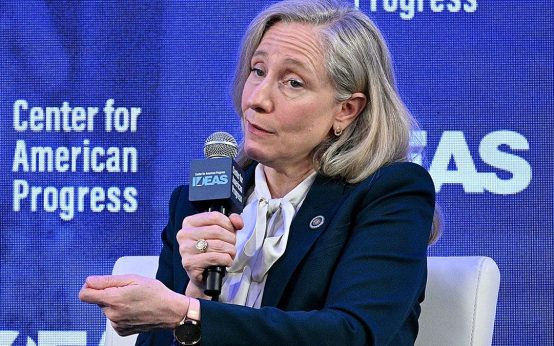 Analyzing Midterm Elections and Party Dynamics
 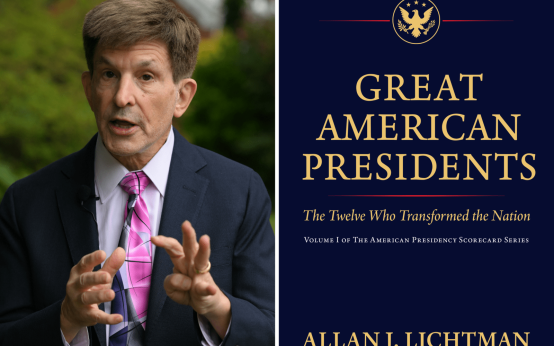 Allan Lichtman’s Framework for Assessing Presidential Greatness
 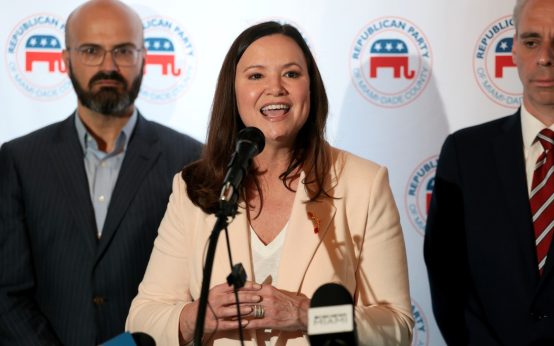 Florida Senate Race Tightens as Recent Polls Show Dead Heat
 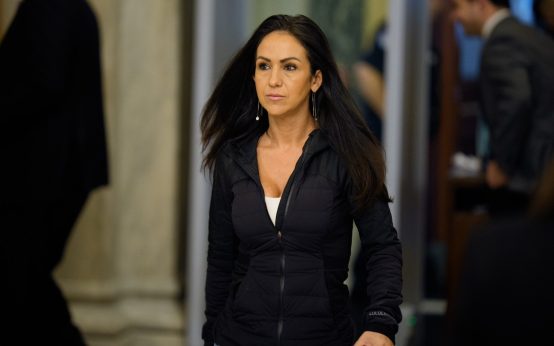 Ethics Complaint Targets Colorado Representative Lauren Boebert
  Ken Paxton’s Campaign Funding and Polls