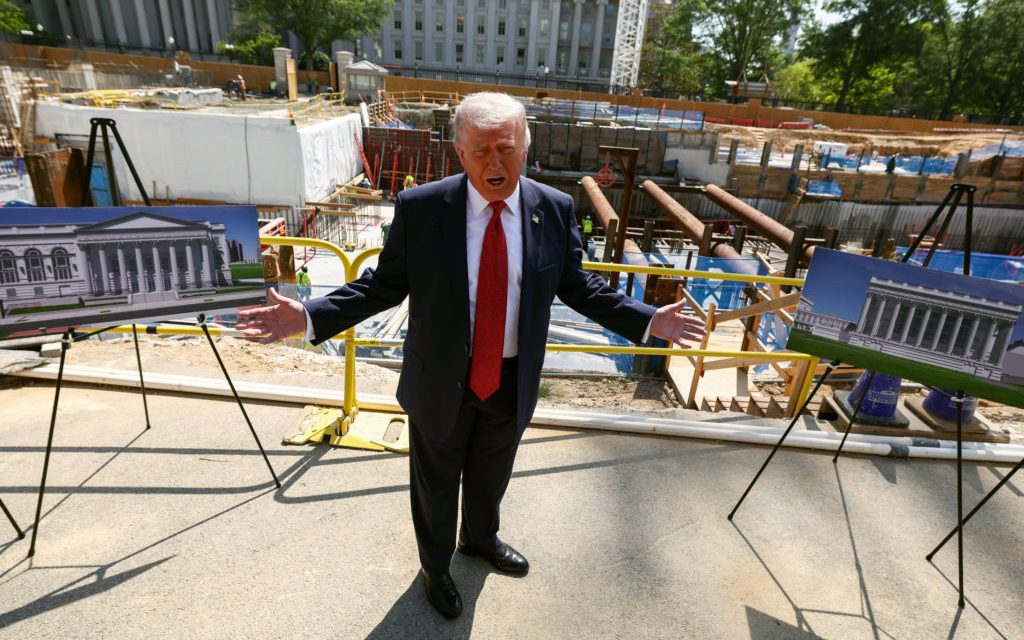
On a cool May evening, President Donald Trump addressed reporters at the under-construction Lincoln Memorial Reflecting Pool. He shared details about the new ‘American flag blue’ color and criticized former President Barack Obama’s previous efforts to enhance the monument. When asked about his focus on construction during the Iran war, Trump stressed his priority to keep the country beautiful and safe. He expressed disdain for a ‘filthy capital’ and emphasized cleanliness and safety.
This exchange mirrors Trump’s public engagements since March, where he concentrated on reshaping Washington, D.C., as the conflict in Iran unfolded. Amid rising gas prices and declining approval ratings, his focus remained on physical transformations around the White House.
PolitiFact studied Trump’s public statements from the first seven months of 2026 regarding his construction endeavors, such as the White House ballroom and the Reflecting Pool, noting that these topics dominated his speech at over a quarter of his public events. He spoke more about construction than about the economy and immigration, with only the Iran war receiving more discussion.
Early in 2026, Trump rarely mentioned his projects, but by May, nearly half of his public appearances incorporated detailed updates on them. His focus on the Reflecting Pool intensified when he made unsubstantiated claims about vandalism causing damage. A judge later dismissed felony charges against those accused, citing contractor errors instead.
The White House linked Trump’s projects to the nation’s beautification, preparing for the 250th Independence anniversary. Trump’s approach epitomizes his view that effective governance stems more from individual leadership abilities than institutional collaboration.
Despite Trump’s attention, a Washington Post/Ipsos poll indicated broad dissatisfaction with his projects, particularly along party lines. Democrats largely disapproved, while many Republicans expressed enthusiasm.
Trump argued the need for a White House ballroom, citing past aspirations and discussing potential embarrassment when hosting dignitaries. Initially estimating a $200 million cost, he later revised this to $400 million, attributing the increase to a request from the military, funded by Trump and donors. Yet, contractor estimates suggested taxpayers might bear part of the $600 million projected cost.
Experts indicate Trump’s construction focus aligns with his real estate background, reflecting a belief that visually striking projects garner public favor. His words often underscore a leadership style reliant on personal judgment rather than collective governance.
In August, a federal court ruled against continuing the ballroom construction without Congressional approval, a decision Trump intends to challenge in the Supreme Court.
Approaching the 250th Declaration of Independence anniversary, Trump revisited Reflecting Pool issues. Discussing repair costs, he initially projected $1.5 million to $2 million. By June, estimates had risen, and Trump provided inconsistent figures regarding past repair costs, mostly under Obama. Despite disputes over vandalism claims, Trump maintained the Reflecting Pool’s need for repair due to damages.
The ballroom and Reflecting Pool projects dominated about 65% of Trump’s construction discussions, yet he proposed other ventures, like attaching his name to the JFK Center and planning a Triumphal Arch and National Garden. Unlike prior presidents who prioritized preservation and beautification, Trump’s rhetoric often ties projects to his personal legacy and judgment.
 Wisconsin Democrats Face Questions Over Thanksgiving Views
 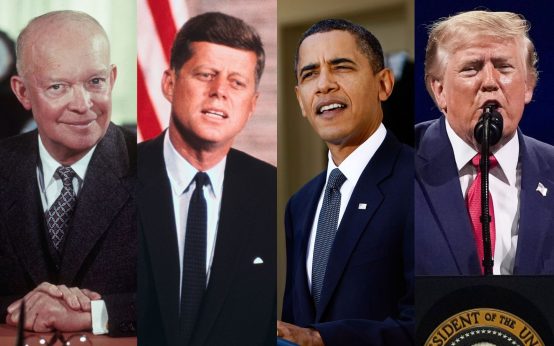 Growing Divide in Presidential Approval Ratings
 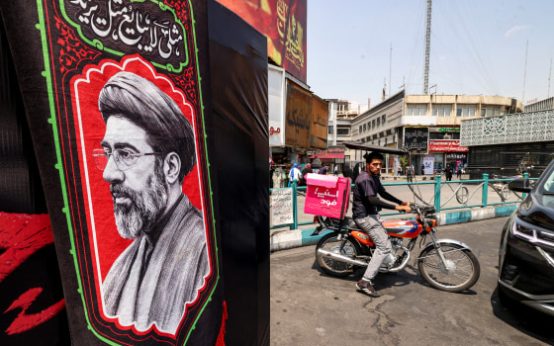 Iran’s Leadership Shift Indicates Rising Tensions with Trump Administration
 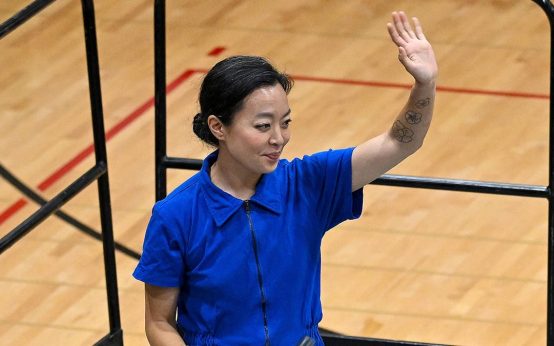 Socialist Movement Challenges Wisconsin Democratic Primary
 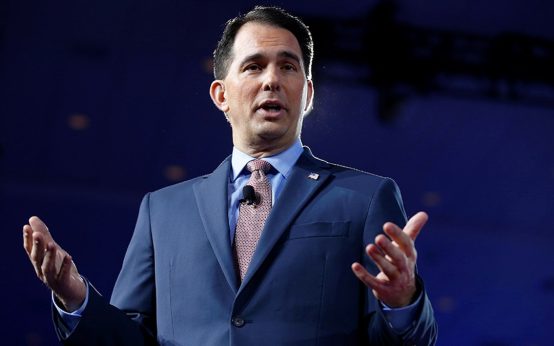 Former Governor Scott Walker Voices Concerns Over Democratic Socialism in Wisconsin
 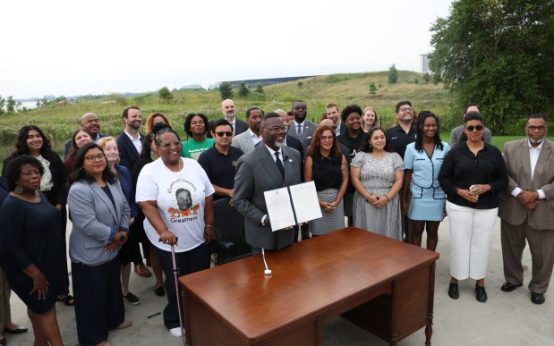 Chicago Intensifies Scrutiny on Data Centers