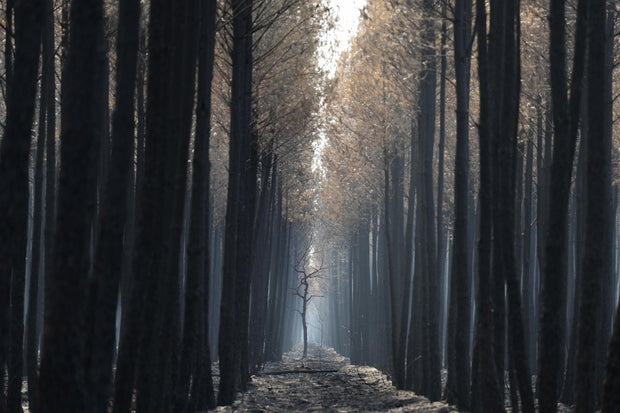
Western Europe’s Wildfire Crisis
Western Europe saw some relief from intense wildfires, as conditions improved in regions like France and Spain. However, Greece faced heightened challenges due to shifting winds driving destructive fires. Key firefighting efforts helped to manage the situation across the continent.
Fire Control Efforts in France
In southwest France, firefighters successfully maintained control over a significant wildfire, allowing nearly 198,000 residents to return home. Interior Minister Laurent Nunez confirmed that while the fire in Gironde is under control, vigilance remains crucial in some areas.
In the Var region in southeast France, a group of about 1,500 firefighters worked tirelessly to contain a different wildfire. This battle underscores France’s ongoing fight against wildfires as some fires continue to pose risks.
Data shows improved conditions, as major fires in Spain stopped advancing and Portugal brought its primary blaze under control. A secondary fire in France stopped expanding after covering 10 square kilometers rapidly. Still, it remained active due to certain conditions, preventing 2,500 people from returning home.
This shift marks a stark contrast from the peak of the crisis when France and Spain faced mass evacuations affecting hundreds of thousands during the summer. The European Union’s Copernicus climate service highlights that Europe is warming over twice the global average, fueling these intense wildfires.
Greece Battles Fierce Wildfires
In Greece, nearly 500 firefighters worked against challenging conditions at Porto Germeno, a popular resort on the Gulf of Corinth. Gale-force winds complicated efforts as they tried to protect towns surrounded by forests.
About 300 people evacuated by sea following the fire’s outbreak, striking near the coastal village of Agios Vasileios. Local farmer Minas Tzortzanis lamented the destruction as flames consumed pristine forests. Wildfire meteorologist Theodore Giannaros estimated that between 40 to 50 square kilometers were affected.
International aid, including specialized forest-fire teams from France and Romania, joined the Greek authorities. Water-dropping planes and helicopters were deployed to combat the blaze.
In Nafpaktos, the blaze prompted evacuation alerts across several villages. Climate Crisis and Civil Protection Minister Evangelos Tournas noted difficulties stemming from strong winds affecting firefighting aircraft.
Ongoing Fire Threats
In western France, the Gironde fire burned an expansive 420 square kilometers of pine forest. The fire, while contained, posed ongoing threats due to active sectors and hidden hot spots. Community reopening continued carefully.
Lt. Col. Eric Pitault stressed the importance of containment over declaration, explaining hidden dangers still present.
In the Var region, the initially fixed Gros Bessillon fire reignited due to winds, challenging firefighters with high temperatures. Efforts involved 1,300 responders, with thousands of residents unable to return home.
Twenty French departments faced heat warnings with elevated forest-fire risks, necessitating preparedness among residents.
Impact on Local Communities
For individuals returning to areas affected by Gironde’s wildfire, the experience was overwhelming. Matthieu Plessis surveyed the damage at his long-standing family property in Le Porge. Homes and possessions were left in ruins due to the fire’s aggression.
Plessis responded with determination, seeking to support others affected. He expressed resilience despite the personal loss, focusing on recovery and rebuilding.
 Carnival Panorama Passenger Jumped Overboard During Final Leg of Cruise
 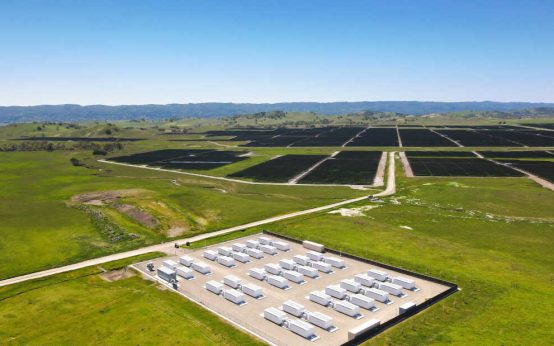 How Battery Innovations Transform Renewable Energy
  Data Centers Stir Controversy in Texas Amid Growth Boom
  Nikole Hannah-Jones Reflects on Educational Choices for Her Daughter
 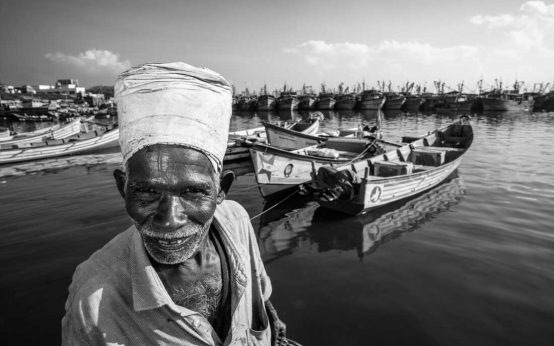 Life and Challenges at Chennai’s Kasimedu Fishing Harbour
  Chicago Bears Eye Potential Move to Indiana: A Look at the Developments