
The recent tragic death of hiker Joanna Ruth Shields highlights the serious dangers of alcohol withdrawal. Shields, 37, died near Sykes Hot Springs in California’s Ventana Wilderness. Initial reports suggested foul play, but the Monterey County Sheriff’s Office concluded that her death was due to probable alcohol withdrawal seizures caused by chronic alcohol use disorder.
Shields was found unresponsive in the water after going to the river that morning. According to Andres Rosas, the primary public information officer for the Sheriff’s Office, nothing indicated criminal activity, underscoring the medical crisis linked to alcohol withdrawal.
This incident calls attention to the severe risks associated with sudden cessation of alcohol use, as it can lead to life-threatening seizures and neurological events. Alcohol acts as a depressant on the central nervous system, leading the brain to adjust by ramping up chemical signals to maintain bodily function. When alcohol is suddenly stopped, the brain can enter a state of dangerous overexcitation.
Withdrawal symptoms typically begin within six to 24 hours after the last drink. The risk of seizures peaks between 24 and 48 hours, with symptoms potentially progressing from tremors and anxiety to severe seizures and delirium tremens.
In wilderness or isolated settings, sudden seizures can result in severe consequences such as respiratory arrest or lack of access to emergency care. The National Institutes of Health outlines the progression of alcohol withdrawal symptoms in three stages:
- Stage 1 (6 to 12 hours post-drink): Minor symptoms such as insomnia, tremors, anxiety, gastrointestinal upset, headache, excessive sweating, heart palpitations, anorexia, nausea, fast resting heart rate, and hypertension.
- Stage 2 (12 to 24 hours post-drink): This stage involves potential visual, auditory, or tactile hallucinations.
- Stage 3 (24 to 72 hours post-drink): Severe symptoms such as loss of consciousness, muscle contractions (seizures), and delirium tremens.
Health agencies strongly advise against attempting detox without medical supervision, particularly for individuals with a history of heavy drinking. Medical detox programs offer tailored medication protocols to safely manage brain activity and prevent seizures.
For those struggling with alcohol use disorder, help is available through the Substance Abuse and Mental Health Services Administration National Helpline at 1-800-662-4357, providing free and confidential treatment referrals 24/7.
Khloe Quill, a lifestyle writer with Fox News Digital, covers a variety of topics, including health, food and drink, and travel.
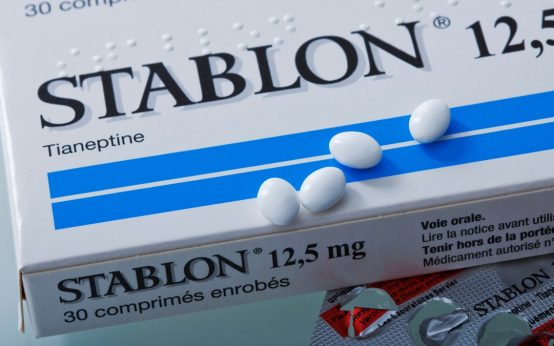 States Tighten Regulations on Tianeptine, Known as ‘Gas Station Heroin’
  Medicare Lab Test Payments: Upcoming Changes and Their Implications
  Gen Z Faces Economic Barriers to Dating and Intimacy
  Understanding and Preventing Suicide: A Public Health Priority
  Presley Gerber’s Death Highlights Concerns in Addiction Treatment Approaches
  MAHA Activists Challenge Trump and RFK Jr. on mRNA Vaccines