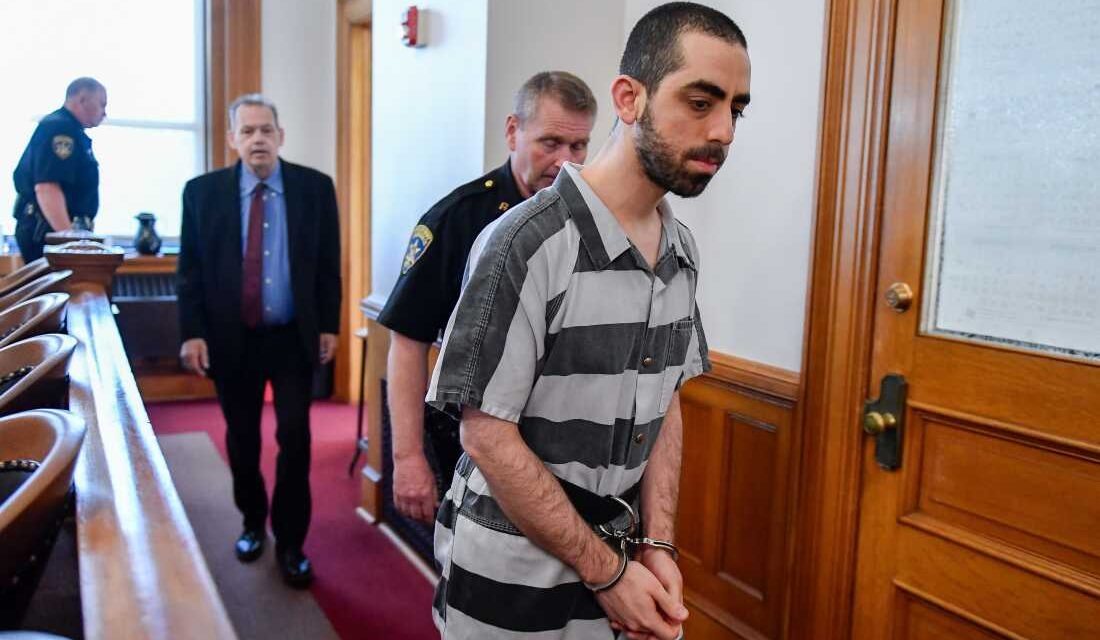
In Mayville, N.Y., Hadi Matar was convicted on Wednesday of federal terrorism charges related to the 2022 stabbing of Salman Rushdie. The attack on Rushdie, known for facing death threats over his novel “The Satanic Verses,” occurred as he was about to address writers’ safety. Matar was found guilty of all charges, including transnational terrorism, after a few hours of jury deliberations.
Rushdie suffered severe injuries from the attack, losing sight in his right eye after being slashed 15 times on stage. Prosecutors argued that Matar acted on a 1989 call by the late Iranian Supreme Leader Ayatollah Ruhollah Khomeini for Rushdie’s death due to “The Satanic Verses.” This novel, a work of magical realism, received critical acclaim in the UK but sparked protests in the Muslim world. Some saw the book as blasphemous, particularly a dream sequence involving Islam’s Prophet Muhammad.
Assistant Attorney General for National Security John Eisenberg commented on the verdict, calling the attack a “chilling reminder of the global reach of Iranian terrorism.” Despite denying involvement, Iran’s government has been linked to the sentiments behind the attack. Matar, who remains silent regarding the charges, had his defense argue that there was no evidence of his motives.
Defense and Trial Details
During the trial, Matar’s lawyer Nathaniel Barone contended there was no proof of Matar’s state of mind. Matar, who did not testify, has been serving a 25-year sentence for attempted murder related to the stabbing. His federal sentencing is scheduled for November 3, where he faces the possibility of a life sentence.
Background on Rushdie and the Attack
Salman Rushdie won the prestigious Booker Prize for his 1981 novel “Midnight’s Children.” “The Satanic Verses,” released in 1988, led to global controversy, resulting in riots and attacks on translators and publishers. Rushdie, born into a Muslim family, stated the controversial scenes were mere dreams, but faced a fatwa from Iran that led him into hiding.
The fatwa was never formally rescinded, a point reaffirmed by Khomeini’s successor, Ayatollah Ali Khamenei, in 2017. An Iranian foundation has continued to offer a multi-million dollar bounty for Rushdie’s death.
Prosecutors’ Evidence Against Matar
Evidence presented at the trial included messages where Matar referenced the fatwa and expressed anger at Rushdie’s survival. Matar, who holds U.S. and Lebanese citizenship, was connected to Hezbollah sympathies through photos and documents found in his New Jersey residence.
Matar allegedly planned the attack for months, with electronic messages revealing discussions about tracking Rushdie’s whereabouts and attending his public engagements, including the event in Chautauqua, New York, where the attack took place. After Rushdie’s introduction, Matar rushed the stage, and civilians helped restrain him until law enforcement made the arrest.
In recent years, Rushdie published a memoir about the attack and continued to write fiction, earning accolades such as the Dayton Literary Peace Prize lifetime achievement award.
 Gorillaz and Macklemore Respond to Controversy Over Israel-Palestine Statements
 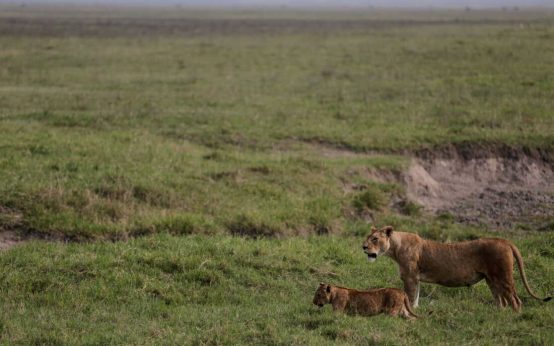 Investigation into Lion Deaths in Tanzania
 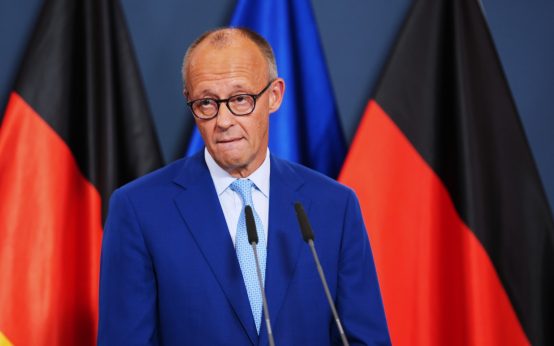 Merz Stays Resolute Amid Electoral Shifts in Germany
 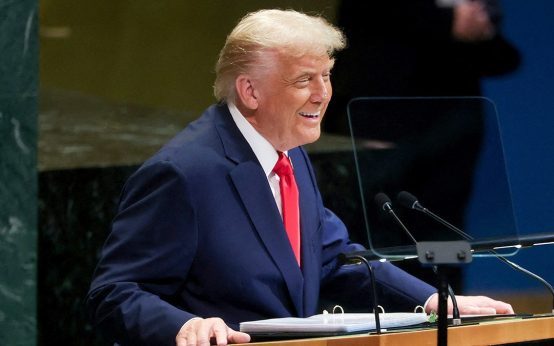 U.S.-Iran Relations and Diplomacy at Upcoming U.N. Assembly
  US-China Relations Under Scrutiny: Expert Warns of Escalating Tensions
  Extradition of Suspects in Haitian President’s Assassination