
A growing water crisis in the Western United States has reached a stalemate. Disagreements among states are halting progress, and potential solutions are becoming scarce. Lake Mead and Lake Powell, the nation’s largest reservoirs on the Colorado River, have reached their lowest levels on record.
This is a critical moment for the drought-stricken West. Seven states are in disagreement over how to share the dwindling water supply. The Colorado River serves as a lifeline for the region. It divides the upper basin states—Colorado, Wyoming, Utah, and New Mexico—from the lower basin states—California, Arizona, and Nevada.
Kelly Shannon McNeill, managing director of LA Waterkeeper, informed CBS News about efforts made by California and other lower basin states. They have reduced their Colorado River usage by nearly 20% since 2015. However, upper basin states have increased their usage. McNeill mentioned, “In the last year, usage increased over the same period as they claim they can’t afford reductions.” This issue hinges on political resolve.
After years of failed negotiations, the Trump administration is prepared to enforce substantial cuts. California, Arizona, and Nevada have proposed a reduction of approximately 1.6 million acre-feet, or about 500 billion gallons annually, for the next two years. Federal authorities are considering nearly double that amount. These cuts may increase water costs for cities, impose tighter water restrictions outdoors, and cause significant changes for farmers using the majority of the river’s water.
McNeill urged residents to contact their representatives and negotiators to find a resolution. The Colorado River begins as snow in the Rocky Mountains, but warming temperatures result in less snowpack and snowmelt feeding the river each spring. Population growth has intensified the crisis.
If Lake Powell’s water level decreases by 33 feet, it will no longer support hydroelectric power generation. This means water cannot flow through the dam into the Colorado River. With Lake Mead and Lake Powell both under 30% capacity, time is running out for effective decision-making.
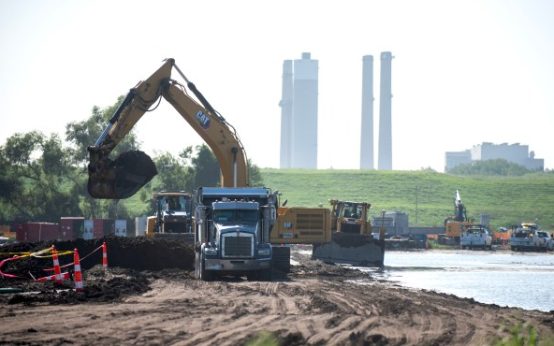 EPA Dismantles Greenhouse Gas Rules, Causing Concern
 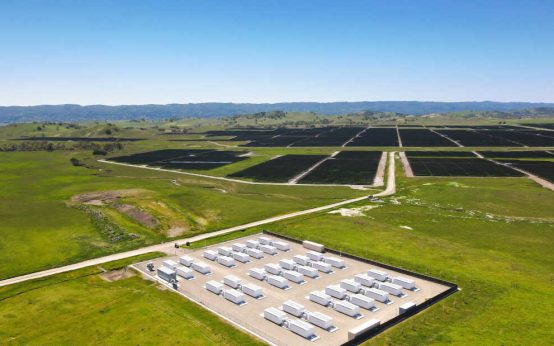 How Battery Innovations Transform Renewable Energy
  Data Centers Stir Controversy in Texas Amid Growth Boom
 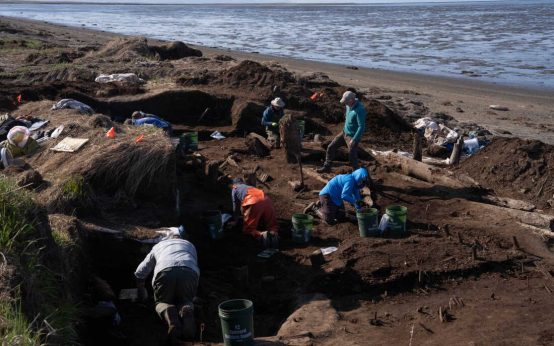 Urgent Archaeological Efforts in Quinhagak Stay Ahead of Erosion
 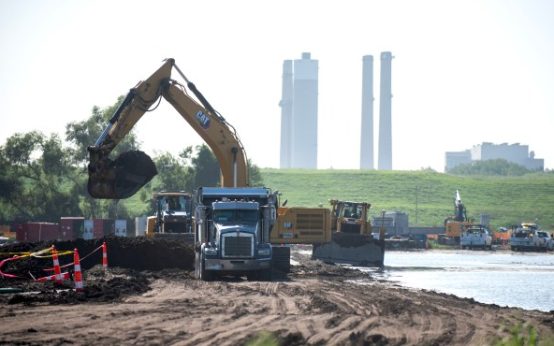 Concerns Rise Over NIPSCO Permit In Jasper County
  Reader Reactions on Grizzlies and Data Centers