Literacy offers tools for effective self-expression, extending beyond basic reading and writing skills. The importance of selecting high-quality reading and writing materials cannot be overstated, as they lay the foundation for future success. Discovering the best resources for your child involves understanding their developmental stage and learning preferences.
Understanding Reading Levels
Ages 4-6: Children typically recognize most letters at this stage, despite not being proficient readers yet. Engaging language arts activity books are ideal, offering colorful and fun activities. Ensure these resources support letter recognition, letter sounds, and basic word formation.
Ages 5-7: Children often start reading in this age group. It’s essential to tailor the approach towards phonics or whole-language methods based on individual needs.
Ages 8-10: At this age, students should comfortably handle reading, writing, and spelling. Materials focusing on sentence structure, grammar, and expression are suitable.
Phonics vs. Whole Language
Phonics resources emphasize the breakdown of words into sounds and letter combinations, acting like puzzle-solving. This prepares children for tackling complex words in the future, though it might struggle with exceptions like homophones.
Whole language materials concentrate on context and word familiarity, beneficial for learning a wide range of words. This approach is often advantageous for children with dyslexia.
Choosing Quality Materials
Digital vs. Print: Both mediums offer valuable resources. Start with print to teach pencil handling, gradually incorporating digital resources.
All-in-One Workbooks: These offer a comprehensive introduction to language arts for young children, but should transition into specific topic books over time.
Easy Readers: Designed for beginners, these books use simple words and repetition.
Child-Friendly Writing Pages: Early writing materials often provide blank-lined pages for practice. Look for ample space for letter formation.
Price Expectations
Activity books usually range from $10-$20, while bundles can exceed $50. Choose based on your child’s needs and your budget.
Common Concerns
Q: When should I worry if my child isn’t reading?
A: Each child is unique, but if difficulties persist by age eight, consult a pediatrician.
Q: How do I identify dyslexia in my child?
A: A formal evaluation is necessary. Look for signs like difficulty with nursery rhymes or alphabet sequence issues and seek expert advice if needed.
Recommended Reading and Writing Materials
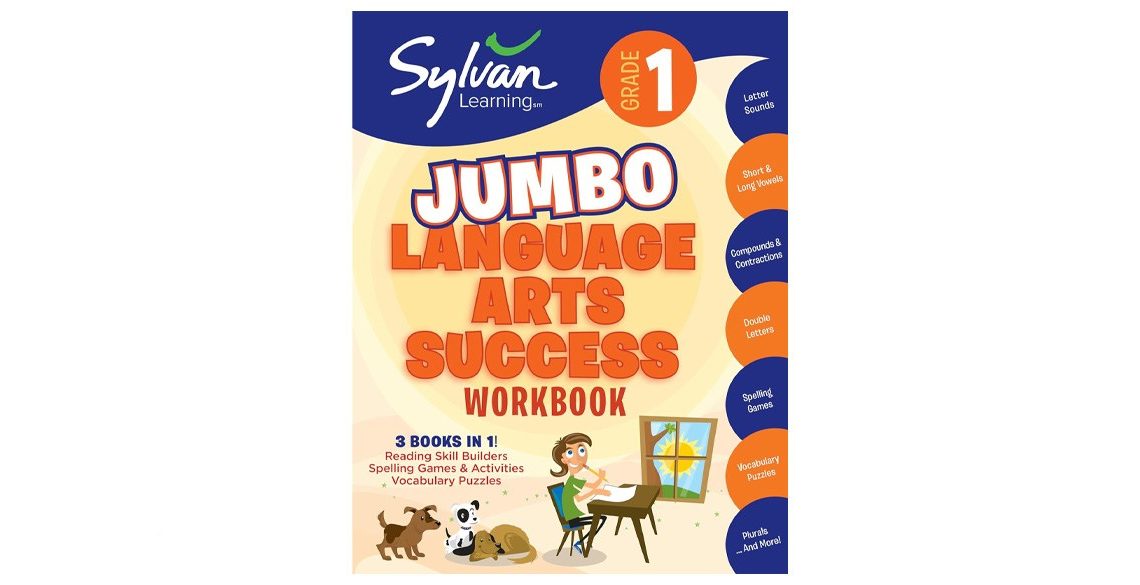
Sylvan Learning’s First Grade Jumbo Language Arts Success Workbook: This comprehensive workbook covers multiple language arts topics, engaging children with quality activities.
- Includes reading, vocabulary, and spelling activities
- Easy-to-follow challenges and activities
- Visually engaging, though perforated pages might enhance usability
Hannah Braun’s Learn to Read Activity Book: A great option for introducing young children to simple words through fun challenges.
- Involves mazes, word searches, and tracing
- Balances activities with lessons to maintain engagement
- Could be challenging for children unfamiliar with letter recognition
 Princeton Students Aid UN in Creating Digital Privacy Standards
  Understanding School Shooting Preparedness Drills
  Universities Should Reject Political Influence on Research Funding
  Families’ Expectations for University Spending
  St. Laurence High School’s Transformative Journey
  Interest Grows in High-Earning Non-Degree Careers