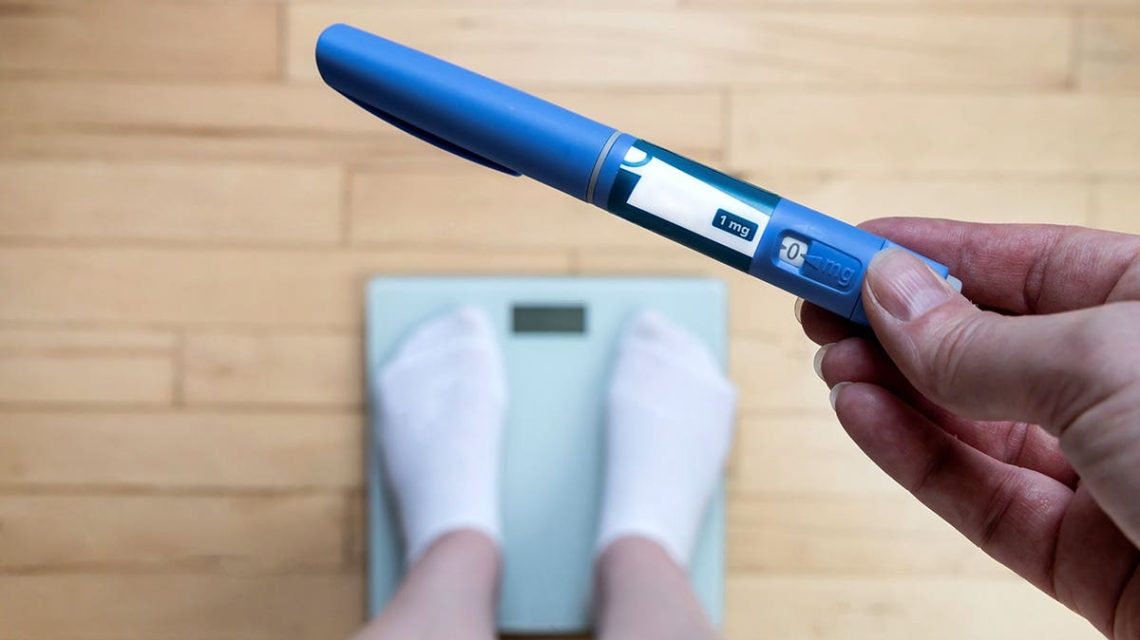
A recent study indicates that GLP-1 weight-loss treatments may affect some women’s social and economic outcomes. Rebecca Diamond, an economics professor at Harvard University, released research linking weight-loss medication to changes in women’s social and professional lives.
Diamonds analysis utilized the Understanding America Study from the University of Southern California. It compared women beginning GLP-1 use for weight loss to those intending to start. Factors such as body mass, health, income, and employment were measured before treatment.
The research focused on women, as they use GLP-1s more than men. It excluded diabetes patients, as their drug use stems from medical needs, not weight loss. Women losing weight with GLP-1 treatments showed shifts in relationships and employment.
Marriage and cohabitation rates climbed by 29% for single women after about 18 months.
Among unemployed women at the study’s start, job prospects rose by 27% after a similar period. Employed participants showed no notable career advancements. Diamond highlights societal judgments as part of what she calls the “female obesity penalty,” impacting relationships and job matches. This reflects societal bias rather than medication impact.
Dr. Peter Balazs, a hormone and weight-loss expert, commented that the effects materialized in “new match” phases like interviews or dating, not within existing contexts. He noted that societal bias is a more significant factor than the medication itself.
Balazs shared that confidence often improves after weight loss, enhancing job performance and social opportunities. He mentioned hormonal and psychological benefits as contributing factors.
Dr. Krishna Vyas, a plastic surgeon in New York, observed similar trends with patients seeking cosmetic procedures post-weight loss. They experience a renewed engagement with life due to increased confidence. However, the study revealed no improvement in depression, loneliness, or life satisfaction.
Despite elevated marriage and employment rates, women didn’t report feeling better, suggesting gatekeeper attitudes changed rather than the women themselves. The study’s observational nature limits it to highlighting association rather than causality. The research is preliminary, lacking peer review.
Balazs pointed to potential bias as the study focused solely on women. He expressed an interest in findings if men were included or compared. Another limitation involved self-reported data and an inability to ascertain new job earnings.
GLP-1 users appeared to have improved outcomes on paper, but reported life satisfaction didn’t increase. Important questions remain on whether external changes lead to meaningful well-being improvement.
 Premature Births in Rehri Goth and the Role of Bacteria
  High-Potency Cannabis Linked to Mental Health Risks
  Veterans Participate in Semaglutide Trial for Alcohol Addiction
  Animals Posing the Greatest Threats in U.S. States Revealed
  Navigating Life and Alzheimer’s: A Family’s Journey
  Understanding the Complex Interplay of Sleep, Stress, and Brain Activity