
Diffuse midline gliomas (D.M.G.) are aggressive brain tumors that predominantly affect children and adolescents. Historically, a diagnosis of D.M.G. signaled a bleak prognosis, with a survival expectancy of around one year. However, recent scientific advancements offer a glimmer of hope.
Understanding D.M.G.
The challenges of D.M.G. have persisted due to the tumor’s aggressive nature and the limited efficacy of treatments. Historically, radiation therapy provided temporary relief from symptoms such as weakness and double vision by slowing tumor growth. Nonetheless, this was not enough to prevent the inevitable fatal outcome.
Recent Developments
Recent years have witnessed notable progress in unraveling the complexities of D.M.G. Researchers have pinpointed a crucial genetic mutation linked to many cases. Furthermore, experimental therapies aimed at targeting these genetic anomalies have shown promise, albeit without offering a complete cure. Some patients have achieved extended survival, living for years beyond the initial prognosis.
“For the first time, we don’t get zero survival,” shared Dr. Sabine Mueller, director of the Pediatric Brain Tumor Center at the University of California, San Francisco.
FDA Approved Treatments
In a pivotal step forward, the Food and Drug Administration (F.D.A.) approved the first drug specifically for D.M.G. in 2025. Although more treatments remain in the experimental phase, this approval marks a milestone in the fight against the disease.
Personal Stories
Ethan White, a former snare drummer for the University of Michigan marching band, experienced alarming symptoms that led to his diagnosis with D.M.G. Despite current limitations in treatment, advances offer hopes of longer survival. Ethan is under hospice care, attended by his devoted parents, showcasing the personal battle families face.
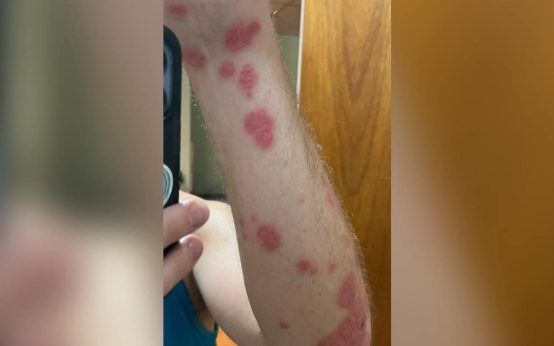 Florida Man Claims ‘Lion Diet’ Transformed Health and Life
  Concerns Over Food Safety and Its Impact on Families
  A Mother’s Tragic Journey Under Abortion Ban
  Medical Diagnosis Errors: Understanding the Crisis
  Lymphatic Drainage and Ice Sculpting: Emerging Wellness Trends
  The Rising Trend of GLP-1 Medications Among College Students