State Funding for Private Schools
Many state legislatures have increasingly directed public funding towards private schools, leading to their substantial growth over the past few years. This shift bears numerous consequences, chief among them minimal oversight. As observed by ProPublica, various states show little interest in regulating these schools, concerning aspects such as their management, curriculum, and performance.
Cases of Troubling Backgrounds
Notably, individuals with problematic histories are running some of these privately funded schools. In Florida, a former public school teacher whose license was revoked due to sexual abuse allegations now operates a private school. Similarly, a person fired from a charter school in Ohio over felony charges of misuse of public funds has started a private school in Florida. Despite a concerning track record, they continue to receive public funding.
Lack of Regulation in Several States
The lax oversight isn’t unique to Florida. In Arizona, state law explicitly bars the Department of Education from overseeing private schools. Despite spending substantial taxpayer money on funding these schools, neither state nor federal governments maintain comprehensive enumerations or rigorous oversight mechanisms.
ProPublica’s Findings and Statistics
ProPublica analyzed data from 13 states that publish private school directories and offer public funding. The number of private schools has grown significantly, with at least 1,500 more now than five years ago, leading to over 9,600 schools. This growth impacts public school districts, resulting in declining student numbers and the closure of schools.
Public Funds Financing Private Tuition
In multiple states, the vast majority of students at some private schools pay tuition with public funds. In Iowa, for instance, public funds financed the tuition of 99% of private school students last school year. Similarly, Florida has witnessed the establishment of an average of 100 new private schools annually over five school years.
Case Study: Arkansas and Lack of Oversight
In Arkansas, despite severe cases involving student maltreatment, schools continue to receive state funding. A prominent case involved a school where child abuse was reported, yet it retains eligibility for state financing despite temporary stops aimed at safeguarding student safety.
The Rise in Voucher Programs
The pandemic has expedited the implementation of private-school funding programs across approximately 30 states, allowing families to utilize public money for private school tuition. EdChoice estimates that 1.5 million students are leveraging these programs, with numbers expected to rise owing to new federal tax-credit schemes.
Exclusivity in Private Schools
While vouchers have enabled some students to access private education they previously couldn’t afford, those with disabilities often face exclusion due to discriminatory admissions policies. Despite operating solely on public funds, private schools are governed differently from public schools, lacking both transparency and accountability.
Voices of Concern
Critics of the lack of regulation and accountability include Paul Hardesty, President of the West Virginia Board of Education. Hardesty underscores a stark contrast between the comprehensive regulations governing public schools and the minimal oversight of private schools.
Ambiguity in Regulation
In states like Florida, laws explicitly exclude private schools from the jurisdiction of state education departments. This regulatory stance fails to adequately protect against leaders with problematic histories.
Publicized Concerns in Florida
In Citrus County, Florida, concerned citizens took to social media highlighting the historical misconduct of a private school founder, leading to a broader public discourse.
“Please do your research!” urged a local police chief regarding the school’s opaque operations.
Proliferation of New Private Schools
As private schools proliferate, they open in unconventional locations such as barns, addiction treatment centers, and co-working spaces. Many operate small, often unadvertised schools, circumventing traditional accountability mechanisms.
The Expansion of Private School Chains
Entrepreneurs like Daniel Puder are opening chains of schools catering to foster children and unhoused or expelled students. Some high-profile endorsements, like that of Mike Tyson, have drawn attention to these unconventional schools.
Controversial Pennsylvania Cases
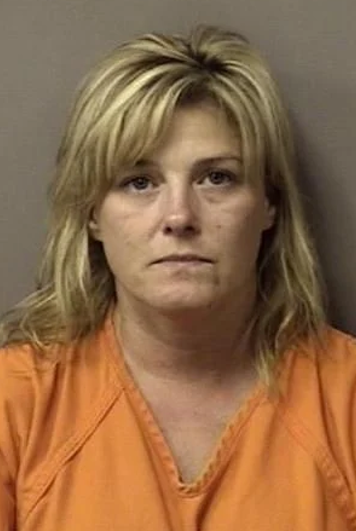
A notable example includes Lisa Helton, who founded a private school in Florida after prior allegations of fund misuse in Ohio. Despite a revoked license, she’s continued operating under a new name.
Actions and Criticism
In the face of past misconduct, Florida’s Department of Education revoked a school’s eligibility for state funds amid reported fraud. However, questions remain on why such schools operate under little scrutiny.
Conclusion
The hesitance of lawmakers and governors to enforce stringent oversight on private institutions remains concerning. As educational freedom becomes a political rallying cry, the balance between fostering school choice and ensuring student safety and educational quality continues to challenge state policymakers.
 Universities Should Reject Political Influence on Research Funding
  Families’ Expectations for University Spending
  St. Laurence High School’s Transformative Journey
  Interest Grows in High-Earning Non-Degree Careers
  Independence of Research from Political Agendas
  Unsupervised Play: The Benefits Over Commercialized Youth Sports