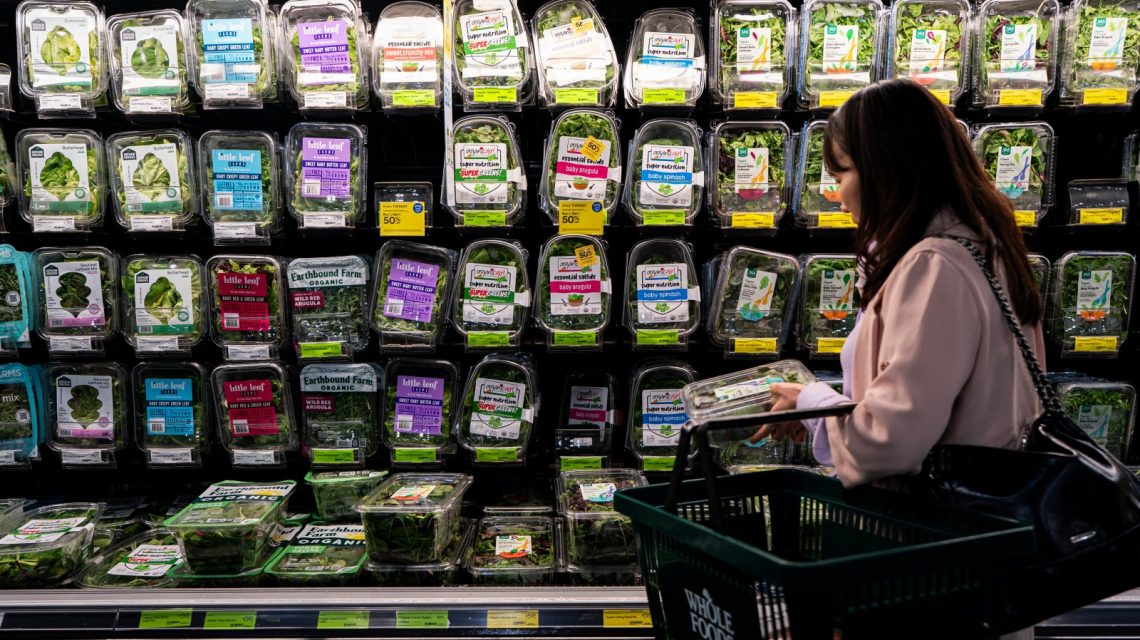
A parasitic outbreak is spreading throughout the Midwest, causing severe diarrhea among other symptoms. Health officials state that identifying the source may take weeks. As of July 13, over 3,000 cases of cyclosporiasis have been reported in Michigan and Ohio, with additional cases in West Virginia and Kentucky. Nationally, the Centers for Disease Control and Prevention (CDC) reports more than 7,000 cases across 34 states since May 1.
Michigan health officials suspect lettuce or salad greens may be responsible, though other food sources are not ruled out. Investigators at the CDC are gathering information to solve the outbreak. The contamination may persist through August as federal officials trace it through the food supply chain.
Expert Insights on the Outbreak
Newsweek consulted public health and food safety experts regarding the cyclospora outbreak and other parasites hiding in produce, water, and undercooked meat.
“Cyclospora spreads through contaminated fecal matter reaching food or water, then entering a person’s mouth. It doesn’t spread from person to person like norovirus,” explained Jason Reese, a food safety expert and co-founder of Indiana-based law firm Wagner Reese LLP. Contamination typically occurs at the farm or during processing. Factors include tainted irrigated water, workers’ poor hygiene, or issues in the supply chain.
Reese noted cases often rise in warmer months, advising caution with specific produce during the ongoing investigation. Items of concern include bagged salads and kits, cilantro, basil, green onions, snow peas, leafy greens, and raspberries.
Contamination is often invisible, taking up to a week for symptoms to appear, complicating tracing the illness to a particular meal. “Most assume contamination happens due to visible dirt or poor restaurant practices, but cyclospora doesn’t follow that rule,” Reese said.
Understanding Common Parasites
Jill Roberts, a microbiologist and professor at the University of South Florida College of Public Health, detailed four parasites to know, including cyclospora.
Cyclospora: Generally found in imported produce, past outbreaks are linked to basil, cilantro, snow peas, and berries. Studies detected it in lettuce, a possible source of the current outbreak. Cleaning removes around 80% of the pathogen but doesn’t eliminate risk, although cooking eradicates it. Cyclospora is not naturally present in the U.S. and domestic outbreaks link to imported foods.
Cryptosporidium: Typically found in water and produce washed with contaminated water. It requires clean water for washing and cooking to kill it. It poses a serious risk to those with weakened immune systems; prolonged diarrhea should prompt medical consultation. Resistant to chlorine, it must be filtered from drinking water. It once caused the largest U.S. waterborne disease outbreak in Milwaukee in 1993.
Giardia: Giardia duodenalis, similar to cryptosporidium, spreads through contaminated water and produce. Chlorine-resistant, it is removed through filtration. Cooking kills it. While treatable and seldom dangerous, prolonged symptoms need medical attention. Commonly found in pets, it can be transferred to owners, necessitating caution.
Toxoplasma gondii: Associated with undercooked meat, especially pork, shellfish, and tainted produce. Proper cooking kills it, but washing is less effective. Most infections are mild, yet it can lead to severe infections especially for the immunocompromised or pregnant. Pregnant women should avoid changing cat litter due to risk.
Contact Newsweek editors about this story: Kara Dolman and Sam Wilson.
 Understanding Addiction Risks After Presley Gerber’s Death
  Managing Distress: Insights and Techniques
  Best Practices for Safe Consumption of Fresh Produce
  The Complexity and Prevention of Suicide
  A Journey Through Cancer: Reflections on Diagnosis and Metaphor
  Impact of Sleep Types on Disease Risk