On September 30, 1941, Thomas Jefferson’s great-great-grandson met with six others at a Washington art gallery. They aimed to select quotes from Jefferson, the Declaration of Independence’s author, for engraving at the Tidal Basin memorial.
Discussion among the Thomas Jefferson Memorial Commission centered on the Declaration’s iconic phrase: “All men are created equal.” A segregationist in the group argued to exclude it, claiming Jefferson believed in racial superiority.
“I would say that I entirely agree with him that the author and signers of the Declaration did not have in mind Indians or Negroes, or other persons than the British subjects for which they had the right to speak,” said Jefferson Randolph Kean.
This acknowledgment of America’s founding paradox was made in confidentiality. The commission retained the equality phrase, deeming its removal too embarrassing. They also approved inaccurate quotes, wrongly portraying Jefferson as against slavery, ignoring his enslavement of over 600 individuals.
The interpretation of “all men are created equal” has sparked debate ever since Jefferson penned it. Although exclusionary in its context, the phrase has inspired over 120 nations to embrace similar ideals, earning it the reputation as a democratic catalyst.
President Lincoln, during the Civil War, elevated the Declaration’s status. Yet, despite its noble intent, the document omitted any mention of slavery to appease southern colonies.
As the Declaration’s 250th anniversary approaches, the underlying meaning and motives remain pertinent. Former President Donald Trump has criticized the perceived attacks on founding figures, advocating instead for acknowledging the country’s history of overcoming slavery.
Revolutionary Revelations
The Declaration’s upcoming anniversary draws attention to Jefferson’s contributions, its global impact, and the enslavement contradictions. Jefferson is often linked as the primary shaper of American liberty, with his actions often under scrutiny.
His penned aspirations of equality contrast sharply with his roles as both a leader of independence and a slaveholder. As a reporter and historian, I have delved into Jefferson’s complexities, revealing nuances beyond public awareness.
The project uncovers how, led by Jefferson’s great-great-grandson, a select group altered Jefferson’s words to depict him inaccurately as an abolitionist, without acknowledging his ownership of enslaved people. This was discovered through confidential meeting records.
This series of narratives investigates how Jefferson’s actions from Monticello to Philadelphia provide a deeper understanding of the man behind the Declaration, illuminating both his contradictions and achievements.
Jefferson’s Evolution
Jefferson’s early reluctance for revolution evolved amidst escalating British impositions. In 1774, he drafted a document framing Parliament’s overreach as akin to enslavement. His legal and philosophical background gradually radicalized him.
Encouraged by friend Philip Mazzei, Jefferson sided against Britain’s overreach. His secret writings, like “A Summary View of the Rights of British America,” prefigured his later Declaration work.
Jefferson’s criticism of British trade practices, his warnings to the monarchy, and staunch advocacy for colonial rights positioned him as a revolutionary figure. He urged Virginia to align with Massachusetts and declare united colonial interests.
The Path to Revolution
Jefferson faced financial struggles and increasing pressures from British policies, pushing further toward revolution. In 1774, he joined legislators in opposing British control, leading to the Continental Congress’s establishment.
His anonymous writings promoted the idea of freedom, urging colonists to unite against Parliament’s unilateral decisions. Despite his initial loyalty, Jefferson embraced revolutionary roles, joining efforts to resist British impositions.
Virginia’s rejection of British authority culminated in Jefferson’s participation in drafting a document calling for armed resistance, signaling his full revolutionary transformation.
As Jefferson prepared for the conflict, debates in Britain between figures like Lord Dartmouth and Virginia leaders highlighted the widening divide. Jefferson’s radicalization marked a significant step toward American independence.
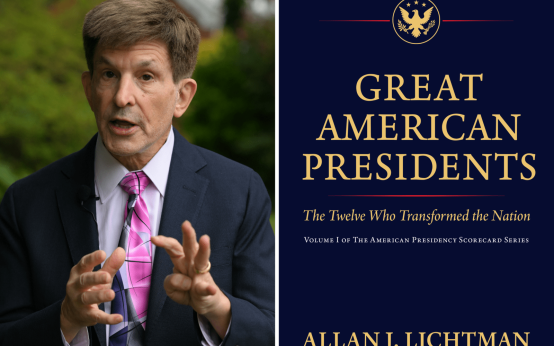 Allan Lichtman’s Framework for Assessing Presidential Greatness
 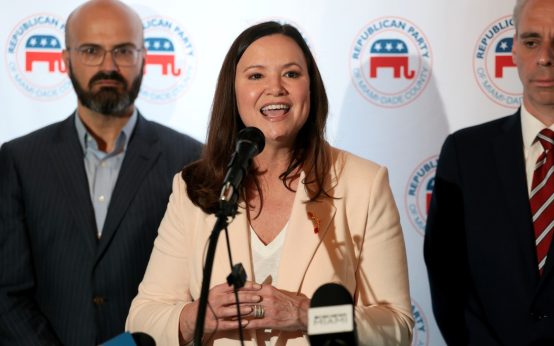 Florida Senate Race Tightens as Recent Polls Show Dead Heat
  Ethics Complaint Targets Colorado Representative Lauren Boebert
 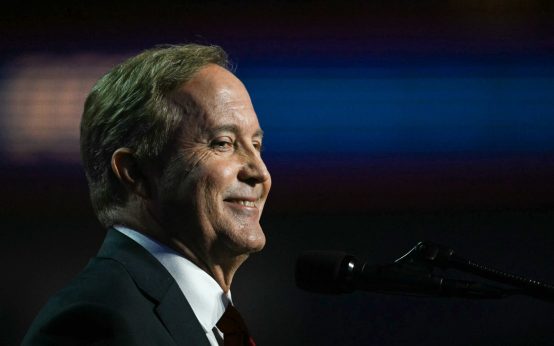 Ken Paxton’s Campaign Funding and Polls
  Inside the Secret Deals Powering the President’s Push to Deport Migrants to Countries Not Their Own
  Independence of Research from Political Agendas