
The Trump administration is facing criticism for temporarily lifting sanctions on Iranian oil. Critics suggest that Washington is providing Tehran with an economic advantage beyond the sanctions’ impact. Some even propose reworking the waiver, such as putting oil revenues into escrow accounts, a proposition Iran would likely reject. Diplomatic success requires achieving feasible outcomes, rather than ideal ones.
The U.S.-Iran agreement may not be ideal for America. It includes concessions unwanted by many, with the temporary sanction lift on Iranian oil being a notable point of contention.
The key issue isn’t whether Iran profits from the arrangement—it does. The question is if these profits warrant risking an agreement crucial to reopening the Strait of Hormuz. The consensus is no.
Many misunderstand the waiver’s effects, believing Iran is gaining unexpected oil revenues. But Iran has long sold substantial oil, notably to China, even under sanctions. Lifting the sanctions doesn’t create new sales; instead, it permits better revenue potential from existing sales. Iran benefits from higher prices and reduced costs linked to evasion, and easier repatriation of sale proceeds.
Estimates suggest the waiver is worth $1.5 billion in extra revenue during its initial period, with repeated extensions offering less gain than critics claim. Such amounts aren’t negligible, but policy decisions must weigh overall costs and benefits.
Proposing escrow accounts for oil revenues ignores Iran’s potential refusal to comply. Iran likely wouldn’t have reopened the Strait of Hormuz, resumed oil exports, and subjected sales proceeds to U.S. control. The thought of a more stringent agreement is unrealistic since the real negotiation was between an acceptable agreement and none at all.
If Washington amends terms unilaterally, Tehran holds options. Iran sold oil before and can do so again independently, possibly closing the Strait if pushed. The agreement’s value is not solely in oil revenue; its primary achievement is restoring stability in global markets with the Strait’s reopening. This reality of concessions impacts energy markets and political expectations.
Risking the strait’s closure over increased Iranian revenues is inadvisable. The administration should maintain the negotiated terms rather than pursuing rewriting attempts.
Brett Erickson, managing principal of Obsidian Risk Advisors, serves on advisory boards at Seton Hall School of Diplomacy and International Relations and DePaul University Driehaus College of Business. © 2026 Nexstar Media Inc.
 The Impact of Arts and Closure on Democracy
 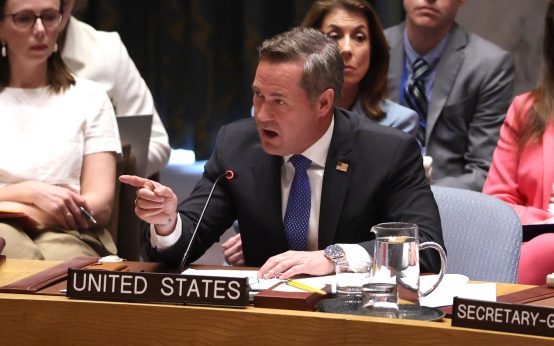 U.S. Ambassador Comments on Iran War Duration Amid Political Concerns
 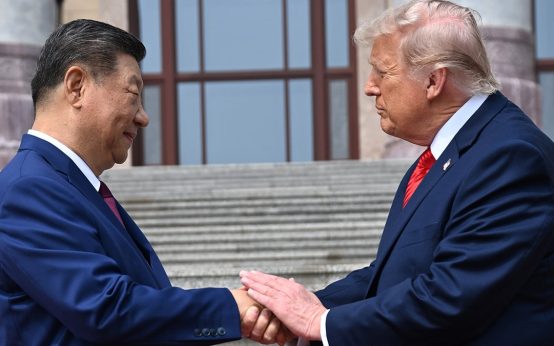 US-China Relations Under Scrutiny: Expert Warns of Escalating Tensions
  No Timeline for End of Iran Conflict
  German Chancellor Merz Vows to Pursue Reforms Despite Election Setbacks
 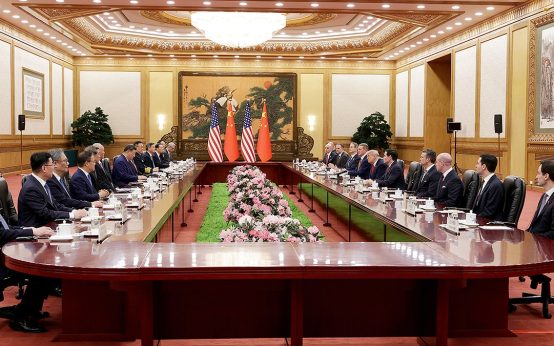 The Technology Rivalry: Trump’s Meeting with Xi and the AI Ecosystem Clash