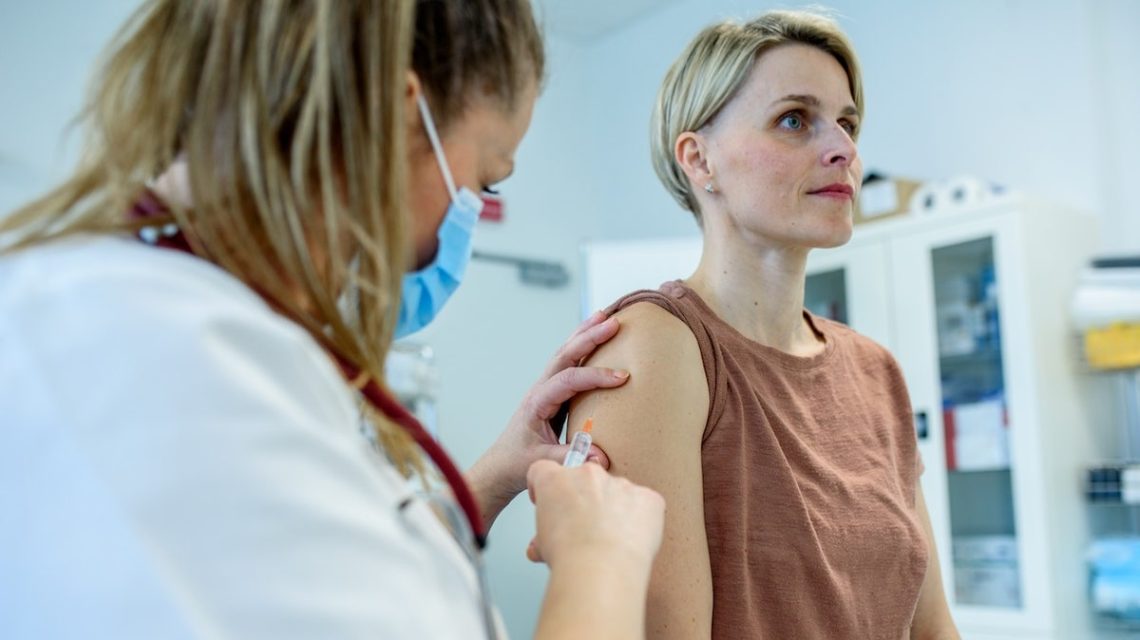
Before the first successful vaccine emerged in 1796, Americans were vulnerable to infectious diseases like smallpox, measles, and diphtheria. Over the following 250 years, vaccines dramatically reduced or eliminated many infectious diseases, preventing countless illnesses and deaths.
Vaccines: A Cornerstone of Public Health
Dr. Marc Siegel, a senior medical analyst, emphasizes vaccines as a vital public health tool. They work by ‘tricking’ the immune system into creating an immune response, preparing it to fight actual pathogens. Despite side effects and risks, the benefits for both individuals and society greatly outweigh any harm.
Key Vaccinations and Their Impact
As the United States reflects on its 250-year history, several vaccines are recognized as major medical achievements:
No. 1: Smallpox
Smallpox, caused by the variola virus, was a deadly disease before vaccination, with a 30% mortality rate. Edward Jenner’s vaccine in 1796 led to smallpox eradication, with routine vaccinations discontinued except for specific needs.
No. 2: Rabies
Rabies attacks the brain and nervous system, often spreading through mammal bites. Without immediate vaccination post-exposure, rabies is nearly always fatal. Louis Pasteur developed the first rabies vaccine in 1885, creating the standard prevention method post-exposure.
No. 3: Diphtheria
Diphtheria, a severe throat infection, was a leading cause of youth mortality before the vaccine in the 1920s. Its introduction made the disease rare in the U.S.
No. 4: Tetanus
Tetanus, caused by Clostridium tetani, led to life-threatening muscle spasms. The vaccine, introduced in the 1920s, significantly curbed this fatal disease.
No. 5: Pertussis (Whooping Cough)
This infection causes severe coughing and was particularly dangerous for infants. The pertussis vaccine, developed in the 1910s and later combined with diphtheria and tetanus vaccines, reduced cases by over 90%.
No. 6: Influenza
Influenza led to high illness and death rates before the 1945 vaccine. Annual vaccination is now common practice, reducing risks significantly.
No. 7: Polio
Polio could cause paralysis and death. Jonas Salk’s vaccine in 1955 helped America declare itself free from wild poliovirus by 1979.
No. 8: MMR (Measles, Mumps, Rubella)
MMR were once common; vaccines have decreased their prevalence by over 99%. Combined in a single vaccine in 1971, these have eliminated continuous spread of these diseases in the U.S.
No. 9: Hepatitis B
This liver-infecting virus was a major threat, but post-vaccine introduction in 1981, cases have dropped drastically.
No. 10: Hib
Before vaccination, Hib caused infections leading to severe consequences like meningitis. Introduced in 1985, the vaccine largely eliminated the disease.
No. 11: Chickenpox
Before vaccines, chickenpox was widespread. Since 1995, vaccination has cut hospitalizations and deaths by over 90%.
No. 12: Hepatitis A
Hepatitis A, a liver infection spread by close contact or contaminated food/water, saw significant declines post-1995 vaccine introduction.
No. 13: Pneumococcal
This infection caused meningitis and pneumonia. Vaccines, starting in 2000, have reduced its serious health impacts.
No. 14: HPV
HPV is linked to several cancers. The 2006 vaccine was groundbreaking for cancer prevention.
No. 15: Rotavirus
This causes severe diarrhea in children, but vaccination from 2006 onward has minimized related hospitalizations.
No. 16: Shingles
Shingles, from the same virus as chickenpox, can cause lasting nerve pain. Vaccines, especially since 2017’s Shingrix, greatly mitigate risks.
No. 17: COVID-19
The pandemic highlighted urgent vaccine development. First available in December 2020, COVID-19 vaccines curtail severe ill effects of the virus.
Dr. Jacob Glanville commends vaccines for reducing the prominence of these pathogens. Vaccinations have reshaped American public health, offering immunity against what were once common and devastating illnesses.
 Understanding Memory Lapses and Hormonal Changes in Women
  Concerns About Kratom and Its Potential Health Risks
  Lawsuit Filed Over Preeclampsia Death in Texas Amid Abortion Ban Controversy
  Illinois American Water Faces Opposition Over Proposed Rate Increase
  Porsha Williams Opens Up About Emergency Surgery and Health Challenges
  Discussing Weight-Loss Medication with Children: A Parent’s Approach