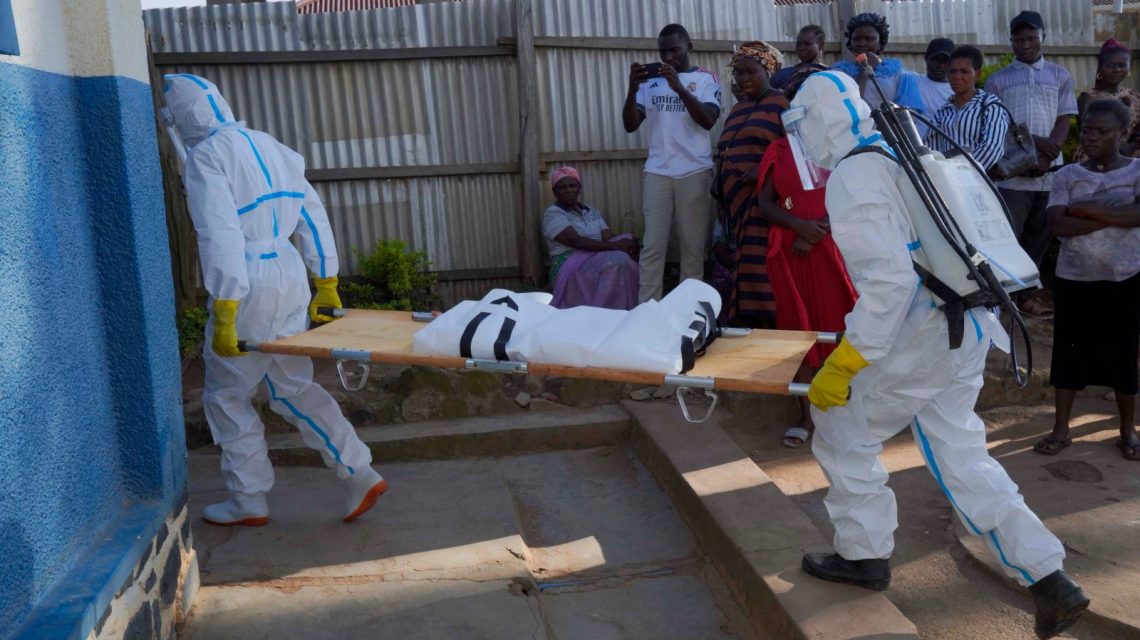
The efforts to combat the Ebola outbreak in the Democratic Republic of the Congo (DRC) face significant challenges. Ongoing conflicts, distrust in authorities, and difficult terrain complicate containment measures. The outbreak, with a death rate of nearly 50 percent, has resulted in deaths for 5,678 people out of 11,613 confirmed cases as of November 17, according to the World Health Organization (WHO).
Conflict-Hampered Healthcare
The epidemic is primarily in eastern DRC, near Ituri and North Kivu, regions beset by armed conflict. Fighting between government forces and rebel groups, including M23, exacerbates the humanitarian crisis. Health workers face attacks, and facilities are frequently targeted. On November 17, WHO’s Tedros Adhanom Ghebreyesus highlighted severe fighting near a hospital in Ituri, endangering healthcare operations. He noted increased attacks since October, severely impacting Ebola response efforts.
“The best medicine is peace,” Ghebreyesus remarked, emphasizing the need for stability to improve healthcare delivery.
Mistrust in Authorities and Health Initiatives
Skepticism about Ebola treatments hampers interactions with local communities. Distrust is highest in rebel-held areas, where historical conflicts and human rights issues cause suspicion of outsiders. Julienne Anoko from WHO noted that some community perceptions attribute Ebola to witchcraft or poisoning. Others suspect it’s a foreign plot to exploit the DRC’s resources.
For example, a family, after losing their daughter to a suspected Ebola case, refused health worker intervention or contact tracing, illustrating resistance faced by officials.
Challenging Terrain Slows Response
Logistical issues due to dense rainforests and poor infrastructure hinder timely responses. Jerome Bertrand of Handicap International reported that adverse conditions can delay supply transports by weeks. Before declaring the outbreak in May, samples had to be sent over 1,420 miles to Kinshasa for testing.
To mitigate these issues, authorities have implemented decentralized testing. In Mongbwalu, for instance, rapid testing can now yield results in under an hour, improving local response times.
As of November 17, the DRC reported Ebola cases in 68 health zones across eight provinces, with new cases emerging in 48 zones over the past three weeks.
 NIH’s Foreign Animal Research Funding Criticized for Safety Failures
 Authorities Investigate Fatal Alcohol Poisoning in Manipur
 Understanding Over-the-Counter Sexual Enhancement Products
 Challenges Persist for Medicaid Enrollees After Hurricane Lowell in Kauaʻi
 Journey Through My Daughter’s Diagnosis and Recovery
 Michelle Yeoh’s Morning Wellness Routine