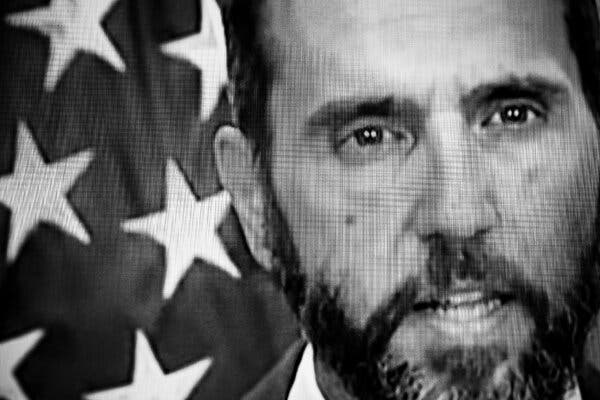
By Jameel Jaffer, executive director of the Knight First Amendment Institute at Columbia University
In June 2023, the Justice Department indicted Donald Trump under the Espionage Act for allegedly concealing and refusing to return classified documents after leaving the White House. Despite the indictment, Trump hasn’t faced trial, nor has he publicly accounted for his actions. The Justice Department later abandoned the case against Trump after he won the 2024 election, aligning with a longstanding policy that prevents prosecuting sitting presidents.
Currently, as Trump returned to the White House, the Justice Department collaborates with his lawyers to suppress a report detailing the investigation into Trump’s actions. Judge Aileen Cannon, appointed by Trump to the U.S. District Court for the Southern District of Florida, issued an order restricting the Justice Department from disseminating the report. The order also prevents Jack Smith, the special counsel who authored the report, from discussing it publicly or testifying before Congress.
“Judge Cannon’s order should be vacated and Mr. Smith’s report released,” argues Jaffer.
The necessity to release Smith’s report stems from the argument that exempting sitting presidents from criminal charges makes it crucial for Congress and the public to access necessary information to hold them accountable by other means. The Justice Department launched an investigation into Trump in early 2022, following revelations by the National Archives and Records Administration that some removed records contained classified information.
After Trump announced his candidacy for the presidency, Attorney General Merrick Garland appointed Smith as the special counsel overseeing the investigation to preserve its political independence. An indictment filed in June 2023 accused Trump of retaining documents at Mar-a-Lago, misrepresenting their possession, sharing them with unauthorized individuals, and failing to return them despite a subpoena. The charges extended to Trump’s valet, Waltine Nauta, and later included Carlos De Oliveira, Trump’s property manager at Mar-a-Lago.
Had a jury convicted the involved parties, Trump’s associates might have faced significant prison terms, potentially leaving Trump serving life in prison.
 Media Outlets Sue After White House Ban
  American Public Opinion on Press Freedom
  Media Lawsuit Against Trump Administration for White House Ban
  The Cost of Challenging Beijing
 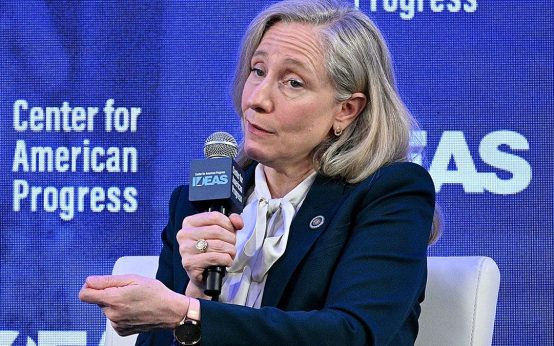 Analyzing Midterm Elections and Party Dynamics
 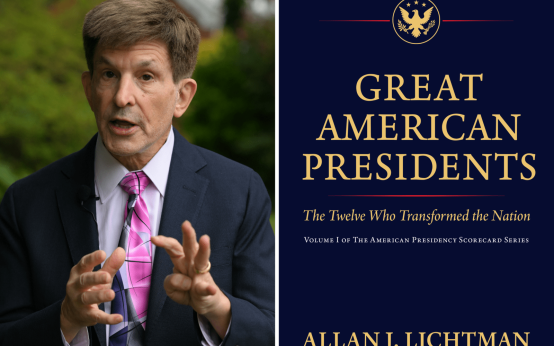 Allan Lichtman’s Framework for Assessing Presidential Greatness