
Astronomers have discovered two giant planets lighter than cotton candy, classified as super-puffs and comparable in size to Jupiter. These planets, orbiting a star 1,110 light-years away in the southern constellation Volans, are the least dense exoplanets of their size found so far. Their extreme lightness sets a record among giant planets, according to George Dransfield from the University of Oxford.
Dransfield describes the density of these planets as being akin to a fresh blob of shaving foam. The research team published their findings in the Monthly Notices of the Royal Astronomical Society. They believe the planets might appear white or blue, depending on the presence of cloud cover in their atmospheres. The planets are most likely composed of hydrogen and helium, yet precise confirmation requires future observations from NASA’s Webb Space Telescope.
Detected by NASA’s Tess satellite over the last decade, the super-puff planets orbiting the star in Volans were further studied using Earth-based telescopes to establish their density. To put the distance in perspective, a light-year equals nearly 6 trillion miles, presenting a significant challenge to study from afar.
In comparison, Jupiter is about 35 times denser than these exoplanets. Super-puffs are extremely rare in the universe, thought to develop from a gas-rich disc around youthful stars. Over time, they lose material, leading to their ultra-low density. Fewer than 40 super-puffs are among the nearly 6,300 confirmed exoplanets recorded by NASA.
“Studying exotic systems with rare planet types enriches our understanding of planet formation and our position in the cosmos,” Dransfield explains.
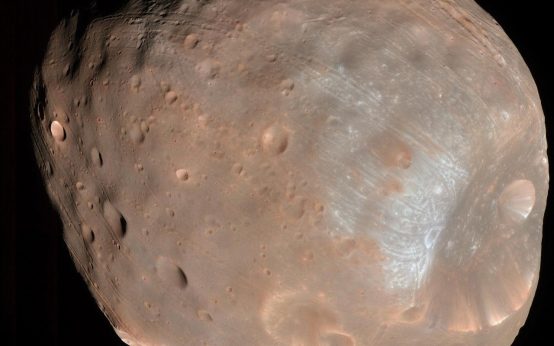 Japanese Spacecraft Embarks on Mission to Explore Martian Moons
 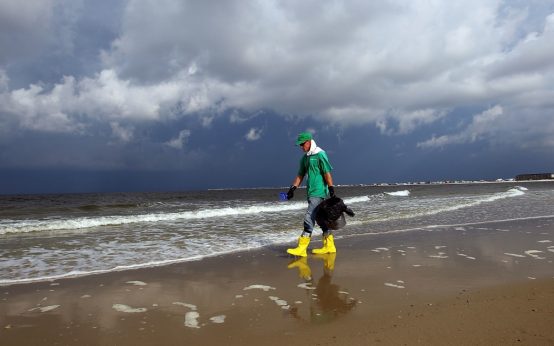 Marine Life Decline in Gulf of Mexico Post-Deepwater Horizon Spill
 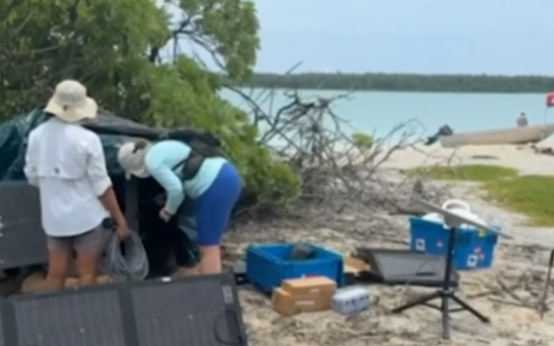 Search for Amelia Earhart’s Missing Plane Nears Possible Discovery
  Investigating Amelia Earhart’s Possible Final Resting Place on Nikumaroro
 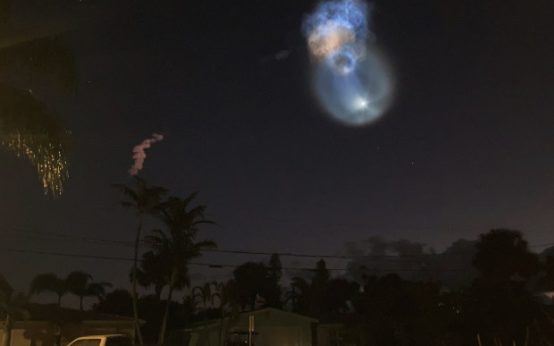 SpaceX Launches Cargo Mission to Space Station with Stunning Visuals
  Tropical Storm Rachel and Coastal Hazards for Southern California