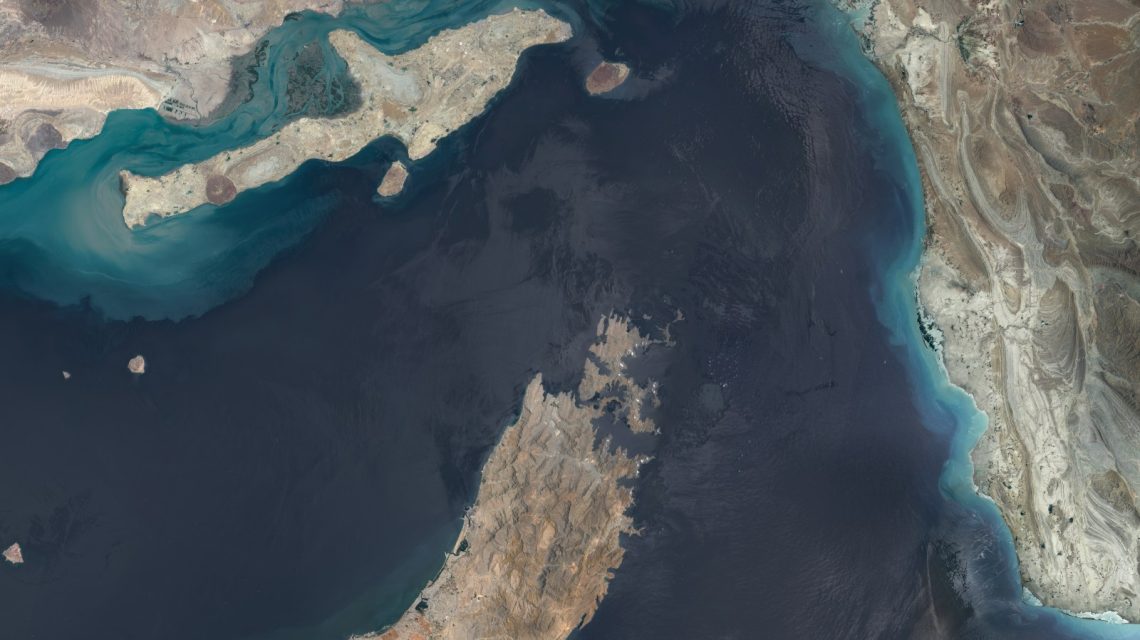
President Donald Trump announced that the Strait of Hormuz is operational following recent tensions over access to this key waterway. The reopening is part of an agreement to conclude the Iran conflict. Trump’s post on Truth Social came after many vessels were recorded passing through the strait, which had been previously blocked by Tehran. This led to a U.S. response that restricted Iranian ports. While maritime activity has resumed, it has not yet reached pre-conflict levels.
The framework to end the hostilities includes a critical component: reopening the strait. This waterway is essential as it facilitates the transit of one-fifth of global hydrocarbons. Despite this agreement, shipping companies remain wary due to conflicting messages and the potential presence of mines along the route.
On Tuesday, Trump stated that Iran committed to comprehensive nuclear inspections, addressing one of the main reasons for the conflict initiated on February 28. “Due to this and other significant concessions from Iran, I have decided to keep the Hormuz Strait OPEN, without further Naval Blockade,” he declared. Yet, he noted that the ships are ready to resume a blockade if necessary, although that seems unlikely at this moment.
Strait of Hormuz: Current Status
The U.S. and Iranian teams have agreed to establish a communication channel to avert military conflicts as commercial ships navigate this critical passage. However, Iranian state media portray this as reinforcing Iran’s authority over the strait, as vessels must coordinate with Iran for safe passage. Tehran claimed a prior closure of the strait due to alleged Israeli ceasefire violations in Lebanon. Yet, maritime data showed 25 vessels crossed between Sunday and Monday, with even more on Tuesday.
Iran signaled its intention to impose fees on strait traffic, aiming to strengthen control, although this violates international maritime law. Currently, the U.S.-Iran agreement keeps the strait toll-free for 60 days, with an unclear U.S. stance on future charges.
To prevent misunderstandings during ship transits, both nations agreed to establish a direct communication line, as commented by Iran’s chief negotiator Mohammad Bagher Ghalibaf on Tuesday. Additionally, Iran and Oman have formed a committee to discuss the management of the waterway, following bilateral discussions. Omani Foreign Minister Sayyid Badr Albusaidi emphasized both nations’ dedication to abiding by international law and ensuring toll-free passage.
 Israeli Leader’s Upcoming U.N. Assembly Speech Marked by Controversy
  United States Secures Arctic Defense Pact
  Trump’s Engagements at the UN: Focus on Ukraine and White House Developments
  Trump Administration to Admit 17,500 Afrikaner Refugees from South Africa
  Trump’s Vision for Global Security: Iran, AI, and the Role of the U.S.
  Concerns Raised Over Canadian Assisted-Dying Program