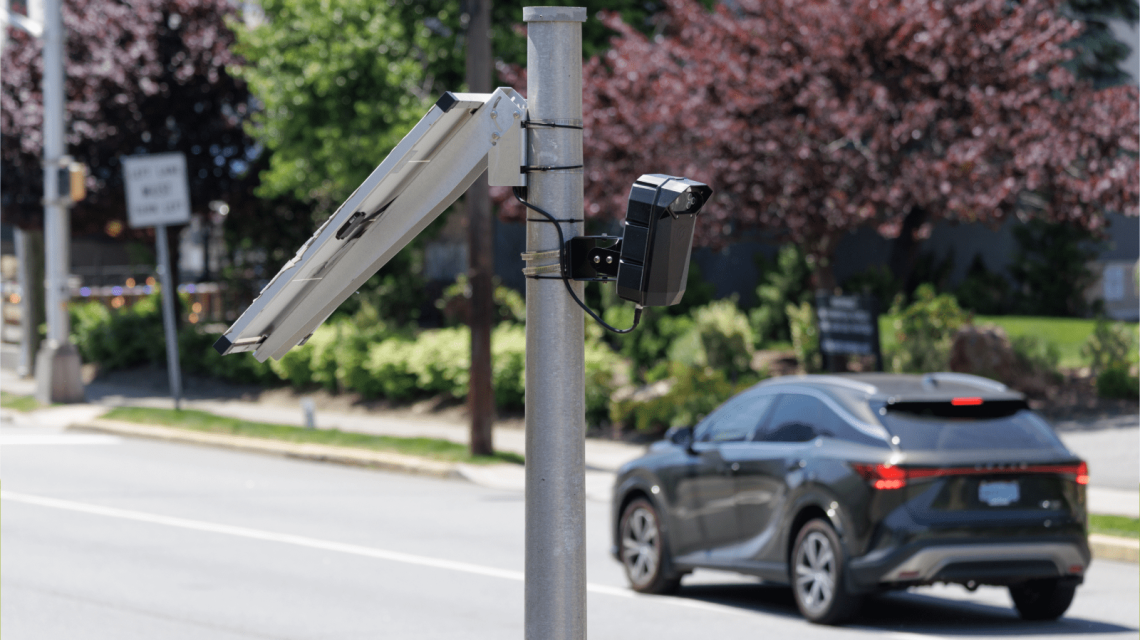
Across the United States, an increasing number of communities are opposing Flock Safety’s Automated License Plate Reader (ALPR) cameras. Many cities and local governments have rejected proposed systems, canceled existing contracts, deactivated cameras, or declined to renew agreements. This opposition stems from concerns over privacy, data sharing, and government surveillance.
Flock Safety continues its rapid expansion, but it faces significant resistance. According to anti-surveillance group DeFlock, over 122,000 license plate reader cameras have been documented nationwide. Meanwhile, they report that 95 cities have rebuffed ALPR systems.
Contracts Canceled and Renewals Denied
Several communities have ended their associations with Flock after initially adopting the technology. For instance, in May, the El Cerrito City Council in California decided not to renew its contract with Flock. Cameras in the city were deactivated on June 7, 2026. Council members raised concerns about potential federal government access to collected data and dissatisfaction with the company’s negotiations. Mayor Pro Tem Rebecca Saltzman cited changing laws and the potential for federal intervention as major issues.
Additionally, Appleton, Wisconsin, announced its departure from using the system in May. City officials reacted to community feedback, with Mayor Jake Woodford highlighting concerns about Flock’s system integrity, which had undermined trust.
Public opposition also led to contract terminations in other areas. Bloomington, Indiana, canceled a $50,000 agreement after community protests, while Tompkins County, New York, withdrew following organized activism against surveillance.
Proposals Rejected Before Cameras Were Installed
Some areas stopped Flock deployments before they began. In Shoreline, Washington, a planned meeting with Flock was canceled in April due to public opposition and council members’ concerns. Shoreline Mayor Betsy Robertson stated that council members were not interested in pursuing the system at that time.
Similarly, Menominee, Michigan, voted unanimously in May to cancel an existing contract after cameras were activated without city council approval. Concerns arose over data management and unauthorized system activation.
Salem, Illinois, also canceled an agreement following changes to contract terms that raised questions among city officials.
Cameras Switched Off
In some cases, communities have deactivated systems while reassessing privacy and oversight issues. DeFlock’s tracker reports numerous instances where monitoring programs were paused rather than fully terminated. Overall, 22 jurisdictions have deactivated cameras, while 47 canceled contracts, and 25 rejected proposals. Ypsilanti, Michigan, stands out for having formally banned ALPRs outright.
Why Communities Are Pushing Back
Opposition varies, but common themes include privacy concerns and the potential for creating long-term records of vehicle movements. Questions about data storage, accessibility, and information sharing arise frequently. Federal access, transparency in technology operations, and a lack of resident consultation have fueled resistance.
Public protests have moved from online forums to government chambers, leading to organized campaigns and pressure on elected officials. Many cancellations noted by DeFlock resulted from public opposition and community activism.
Despite this, supporters of Flock cameras argue the technology aids in crime investigations, locating stolen vehicles, and generating leads. Flock maintains its focus on vehicles to support public safety.
The ongoing debate over surveillance, privacy, and policing suggests Flock’s expansion is increasingly contested. While many communities continue using ALPR technology, others choose to take a different route, challenging new proposals, ending contracts, or turning off cameras.
 Data Centers Stir Controversy in Texas Amid Growth Boom
  The Technology Rivalry: Trump’s Meeting with Xi and the AI Ecosystem Clash
  Ways to Protect Your Finances from Cyber Threats
  Interview with Nvidia CEO Jensen Huang: AI Outlook and Business Strategy
  Concerns Rise Over Addictive Design of Sports Betting Apps
  Seton Hall National Security Graduate Fellowship Provides Hands-On Experience