
By Michael Grunwald
David Jolly, a Florida gubernatorial candidate, recently declared at a Democratic picnic near Fort Lauderdale, “We’re winning.” Despite being a mild-mannered lawyer, his statement electrified the crowd as if a rock star announced a hit song. Jolly, a former Republican congressman turned Democrat, represents a shift in Florida’s political landscape.
Florida Republicans have dominated the state, winning seven consecutive governor’s races and controlling all statewide offices plus supermajorities in the State Legislature. Yet, Democrats are making strides. High living costs and waning approval ratings for President Trump have contributed to their success, flipping the Miami mayor’s office and gaining seats in both the State Senate and House.
Jolly’s strategy reflects a confidence in a rising blue wave reminiscent of the post-Watergate Republican defeat in 1974. Since becoming a Democrat, Jolly campaigns on a traditional Democratic platform, focusing on affordability and problem-solving. He aims to appeal to voters tired of Republican cultural battles over issues like book bans.
The historical context adds complexity. Florida, once known for tight races like President George W. Bush’s 537-vote win, has shifted. As Republican baby boomers move south, the state resembles politically southern Alabama rather than a swing state. Jolly’s campaign bets on the possibility of reversing this trend.
 Public Confidence in the Supreme Court at Record Lows
  Federal Authorities Arrest California Lawmaker’s Aide for Visa Overstay
  Hasan Piker Addresses Controversial Comments and Political Involvement
  Lukashenko and Putin Share Light Moments While Strengthening Ties
 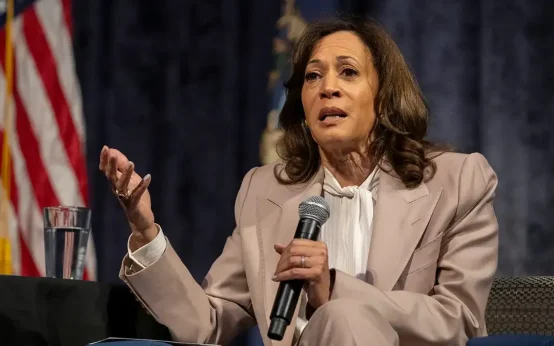 Kamala Harris on Possible 2028 Run Highlights Midterm Importance
  Lawmakers Urge End to U.S. Military’s Drug Boat Strike Campaign